
 Metal roofing
 Architectural shingles
 Tile roofing
 GAF
GAF Owens Corning
 Flat & low-slope
Free roof inspection with deck photos before we talk money - GAF and Owens Corning certified installation
CertainTeed Flashing Replacement: The Fort Worth Owner’s Guide
CertainTeed flashing replacement in Fort Worth typically costs between $350 and $900 installed, depending on which flashing pieces failed and how much decking repair is needed once we open things up. We stock common CertainTeed-compatible step flashing, pipe collars, and valley metal on the truck, so most jobs are done in a single visit. You’ll usually find the problem after a hard Texas downpour: a water stain on the ceiling near a chimney, a damp spot in the attic along a wall line, or granules washing into the gutter from a spot that never dried out properly.
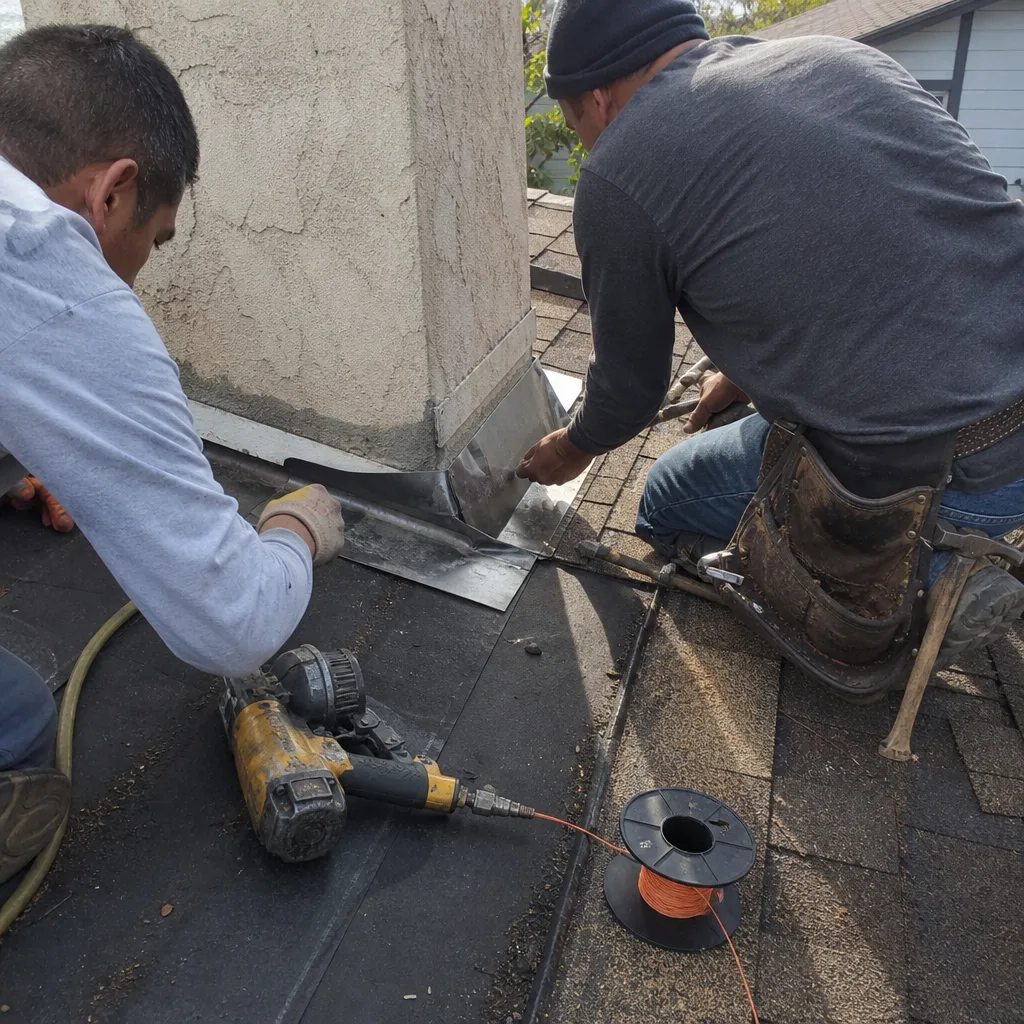
Flashing is the quiet part of a roof. Nobody notices it until water finds a seam it shouldn’t. In Fort Worth, where we get long dry stretches followed by sudden heavy storms, failed flashing shows up fast once the rain comes. The good news is that replacing a section of CertainTeed flashing is a fraction of what a full roof replacement costs, and catching it early keeps the decking and interior framing dry.
Which CertainTeed Models This Applies To
Flashing isn’t tied to a single shingle line the way a ridge cap or starter strip is. That’s the first thing to understand. Whether your roof carries CertainTeed Landmark, Landmark Pro, Presidential Shake, or XT 25 shingles, the flashing we install sits underneath and around those shingles as part of the same water-shedding system. What matters more than the shingle name is the flashing profile: step flashing pieces, L-flashing at sidewalls, pipe boot collars sized to your vent stack, and valley metal that matches the slope and direction of your roof’s valleys.
Here’s a compatibility gotcha most people don’t know: CertainTeed sells an accessories line called CertainTeed Integrity Roof System that includes flashing components engineered to pair with their shingles, and the pipe boot collars come in different base sizes for 1.5-inch, 2-inch, and 3-inch vent pipes. If you have a 1.5-inch soil stack vent and someone slaps on a universal 3-inch collar, the rubber gasket never seats correctly, and water walks straight down the pipe. We measure the pipe before we pull anything off the truck. We also work with flashing components from GAF and Owens Corning’s accessory lines where a job calls for it, so a certain shingle brand never boxes us into a bad flashing fit.
Styles & brands we work with
Signs Your CertainTeed Flashing Replacement Is Failing
- Water stains on ceilings or walls near chimneys, skylights, or rooflines. This is the classic flashing failure signal. The water isn’t coming through the shingles. It’s coming through a seam where flashing meets chimney brick or a wall juncture. In Fort Worth, we see this most often along the west-facing walls that take the brunt of spring storms.
- Rust or corrosion visible on metal flashing pieces at the roofline. Galvanized and aluminum flashing both age, and once the protective coating goes, pin-holes form. CertainTeed’s aluminum step flashing holds up well, but 15 to 20 years of Texas sun and storm cycles will thin any metal.
- Lifted or bent flashing after high winds. Fort Worth gets straight-line winds that can peel a poorly nailed step flashing piece right off the deck. If you spot metal curled up at a roof-wall junction after a storm, water has an open lane.
- Granules collecting in gutters below a valley or wall line. This usually means water is running where it shouldn’t, deteriorating the shingle edges above the flashing. The flashing fails first, the shingles follow.
- Damp attic smells or visible water tracks on rafters near roof penetrations. Vent pipe collars dry out and crack. The rubber gasket around a vent pipe is one of the first flashing components to fail on a Fort Worth roof, especially on south-facing slopes that bake all summer.
See the difference
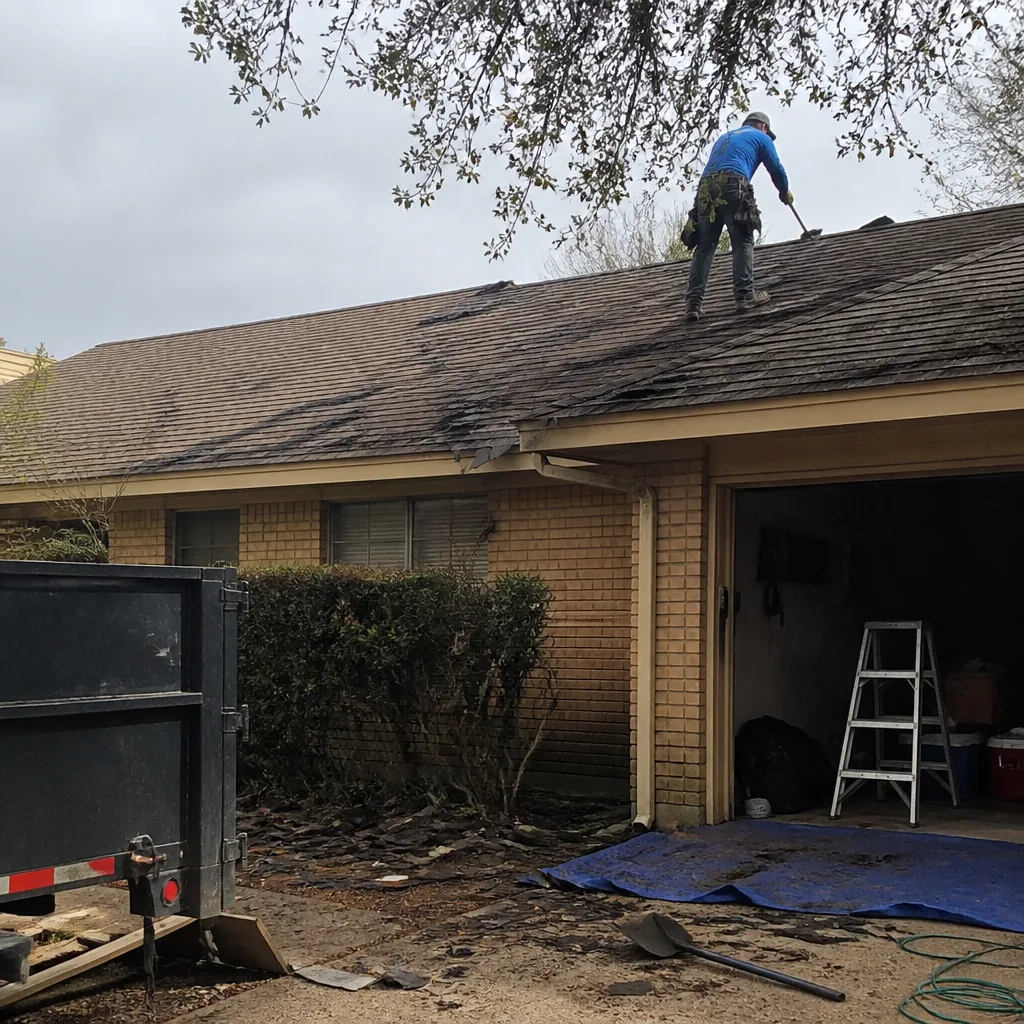 Before
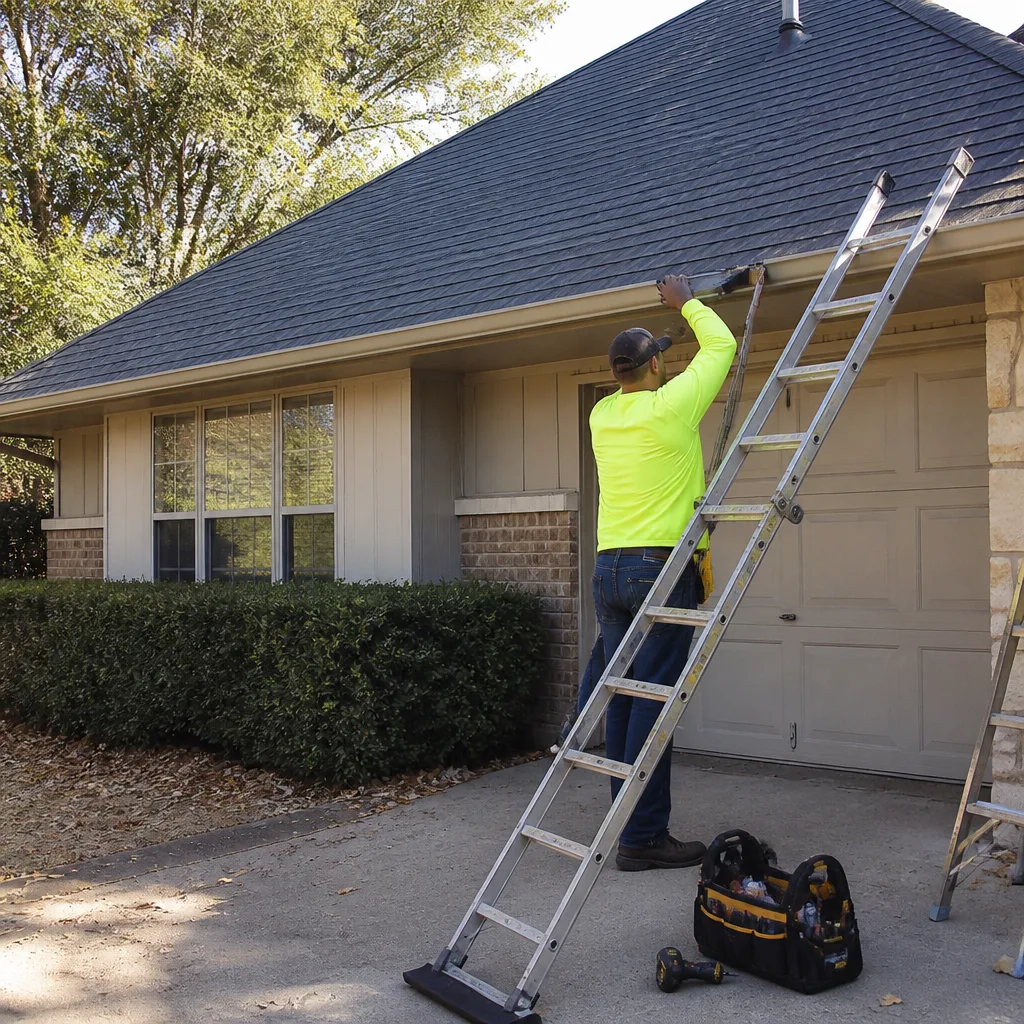 After
After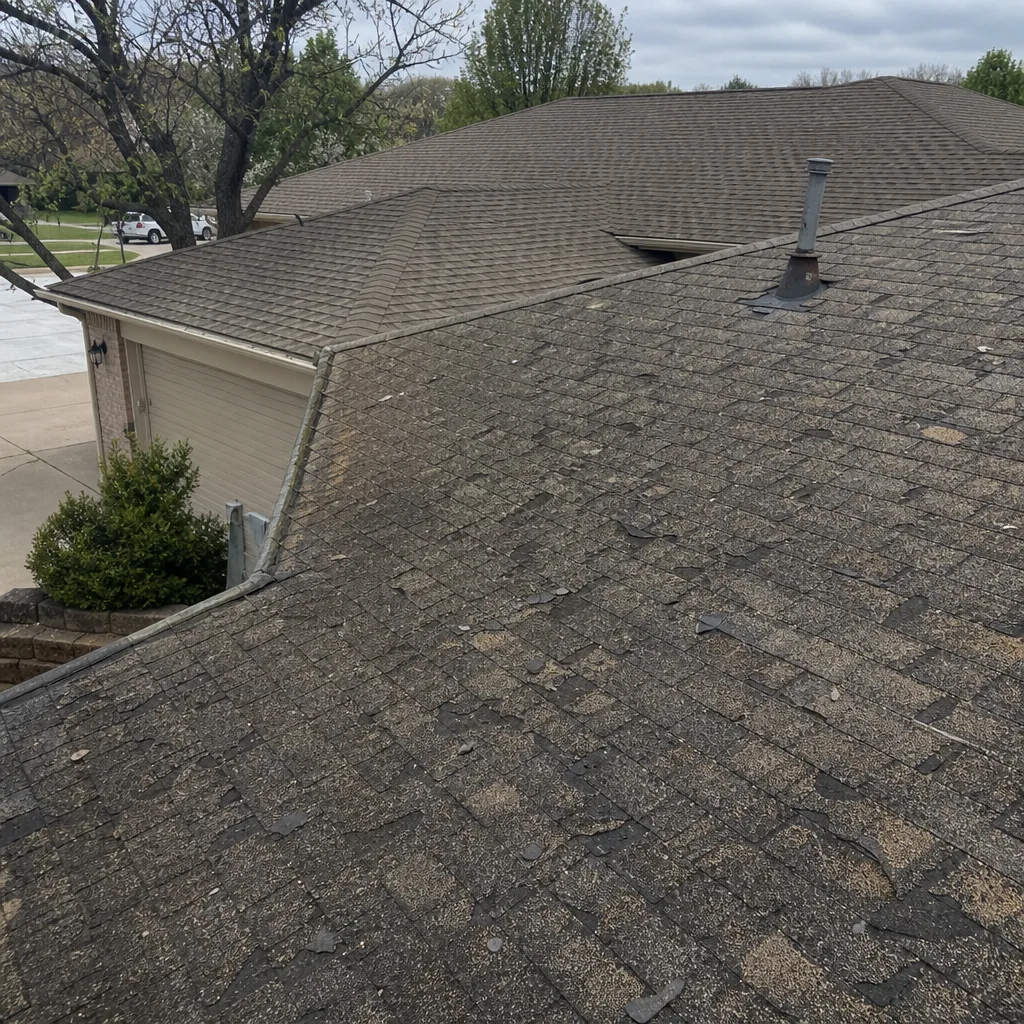 Before
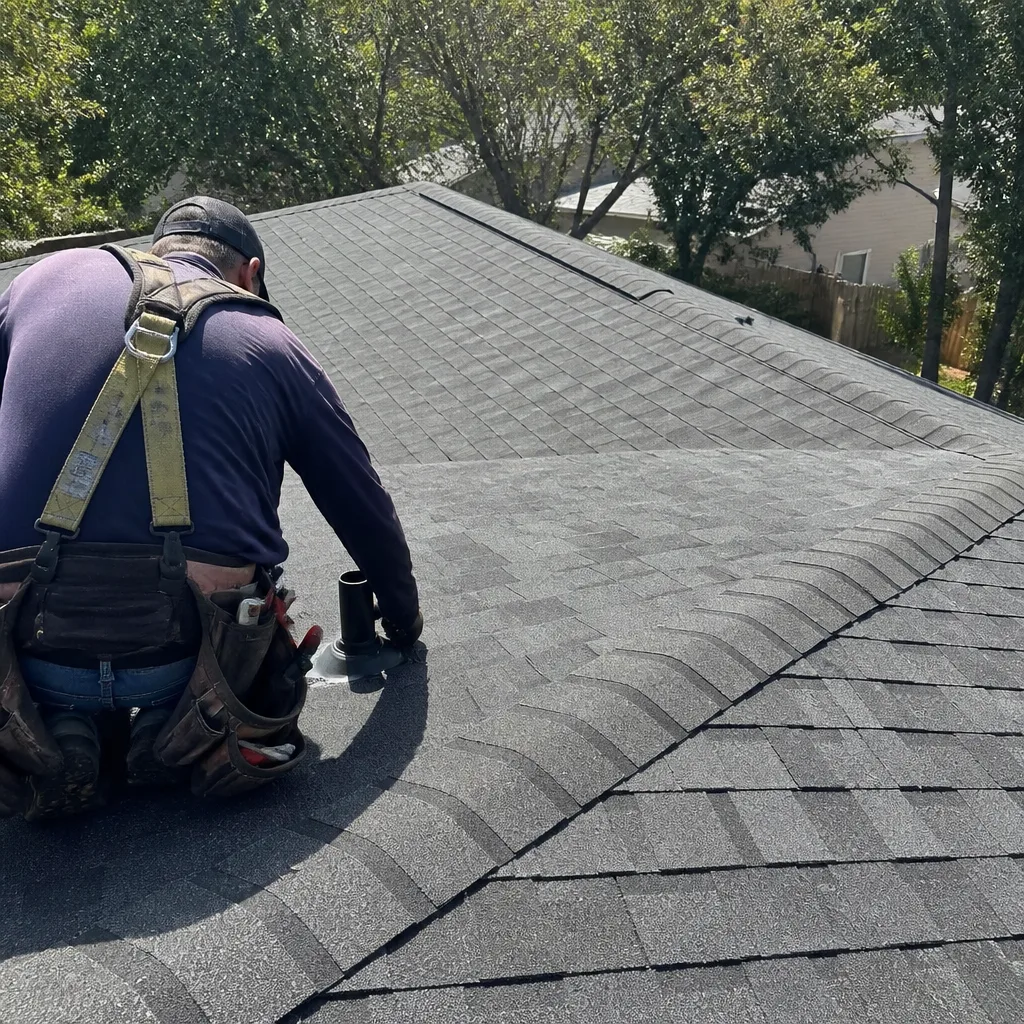 After
After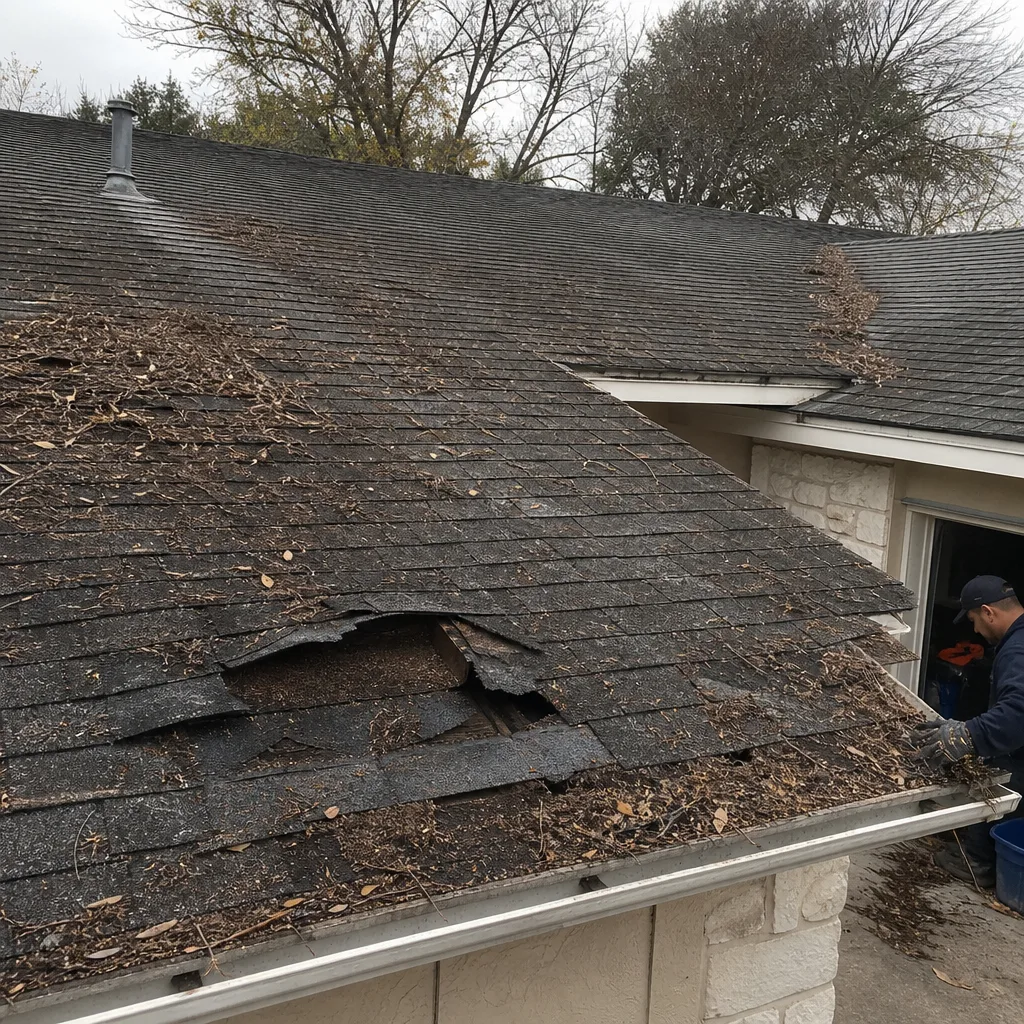 Before
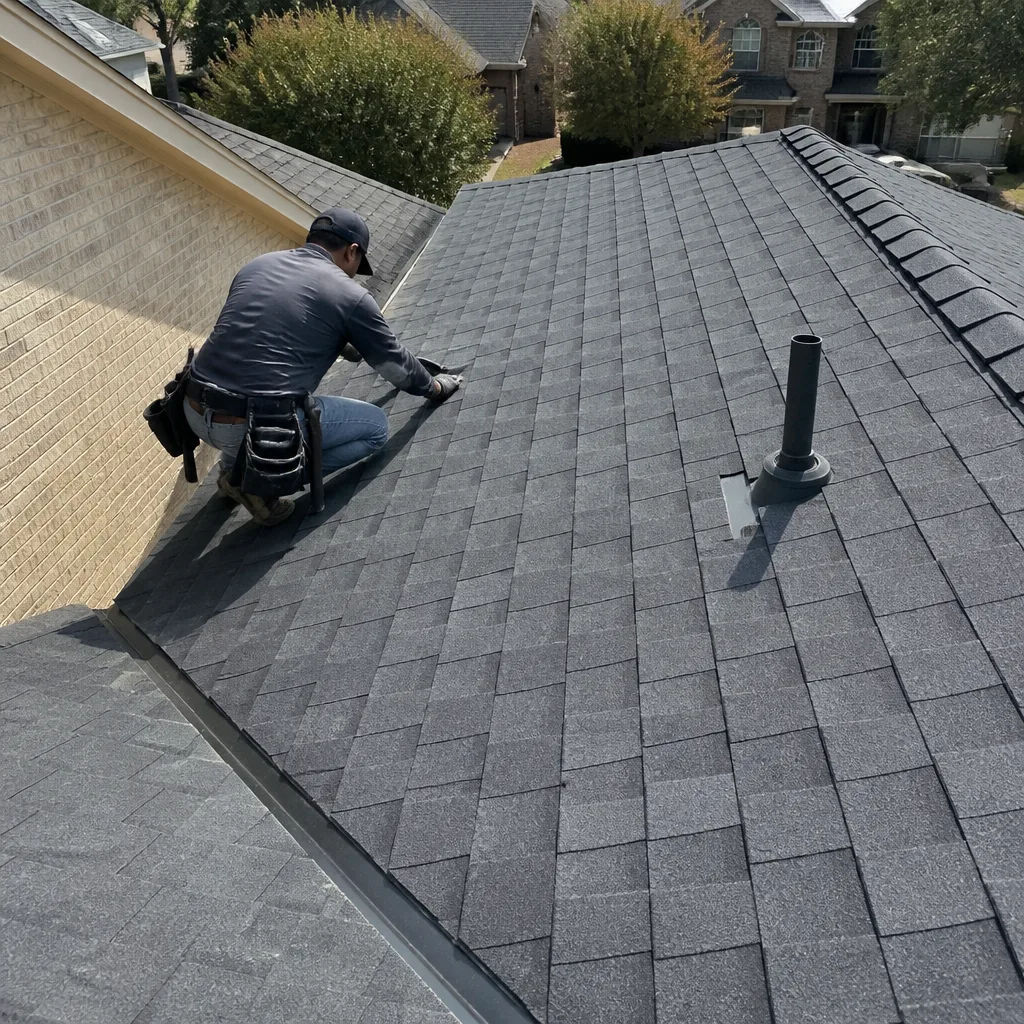 After
AfterReplacement Cost & What’s Included
For most Fort Worth homes, replacing a section of CertainTeed flashing runs between $350 and $900 installed. A single pipe boot collar replacement sits at the low end, around $350 to $450 with labor and materials. Step flashing along a chimney or wall line typically lands between $500 and $750. Full valley metal replacement on a longer valley can push toward $900, especially if the underlying decking shows rot and needs a section cut out and replaced.
Every quote follows the same structure: the flashing material cost, the labor to remove the old piece and install the new one, any decking repair, and the sealant and fasteners. You’ll see the written price in dollars before any work starts, and it won’t change once we’re on the roof unless we find rotted decking we couldn’t see from the surface, and we’ll call you with a photo and a price before cutting anything. The work carries our 365-Day Done Right Promise. If the new flashing leaks or fails within a year, we’re back on that roof making it right.
DIY or Call Us?
Some things are safe to check from the ground or a ladder: visible rust on flashing, lifted metal pieces after a storm, cracked rubber around a pipe boot, water stains inside. What isn’t safe is walking a Fort Worth roof with a caulk gun and some flashing you bought at a big-box store. Roof pitch angles on older homes, including the steep pitches we’ve worked on near the Fairmount Historic District, turn a simple flashing job into a fall risk fast. Wrong-step placement creates new leak paths, and if the decking under the flashing is rotted, you’re repairing a symptom while leaving the cause untouched.
Erik Lindgren and our crew walk the same job site at the end of the day as we did at the start, checking flashing seams and felt laps before we come down. If you’re comfortable inspecting from a ladder, do that. If you want a measured answer about what’s actually failing and an exact installed price before any work begins, call (682) 990-0964. Estimates are free, and a live person answers.
FAQs
Expect 15 to 20 years from properly installed aluminum flashing in Fort Worth’s climate, though pipe boot rubber collars often need replacement at the 10 to 12 year mark due to UV and heat exposure. South-facing slopes degrade faster. Any rust or cracking before that usually points to an installation problem. Call (682) 990-0964 and we’ll inspect what’s on your roof.
Small gaps can sometimes be resealed with roofing cement, but once flashing is rusted through, cracked, or lifted from its fasteners, patching is a temporary fix that buys you weeks, not years. For most Fort Worth homeowners, full replacement of the failed section is cheaper than repeated patch jobs plus interior drywall repair. Call (682) 990-0964 for an honest read on whether your flashing can be saved.
Most single-section flashing replacements take two to four hours, including removing the surrounding shingles, replacing the flashing, relaying the shingles, and cleaning up. A full chimney flashing replacement with new counter-flashing might run four to six hours. Either way, it’s usually a same-day job. Call (682) 990-0964 to schedule around your week.
Yes. We carry common step flashing profiles, pipe boot collars in multiple sizes, and valley metal compatible with CertainTeed roofing systems, along with flashing accessories from GAF and Owens Corning. For uncommon profiles or historic-home dimensions, we order before the install day. Call (682) 990-0964 and tell us what’s failing; we’ll tell you if we can handle it on the first trip.
Written by Erik Lindgren, Owner, Birchbark Roofing Fort Worth at Birchbark Roofing Fort Worth, serving Fort Worth and nearby areas.