
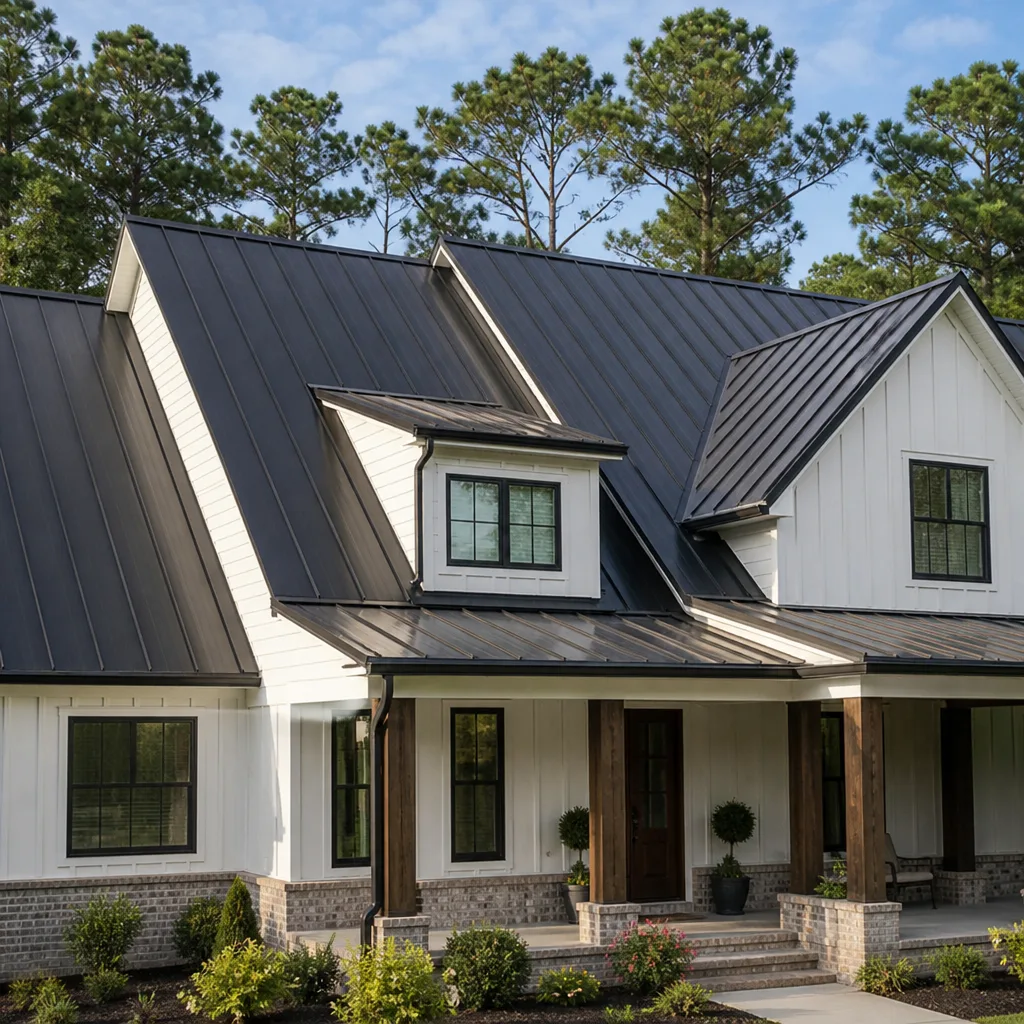
 Metal roofing
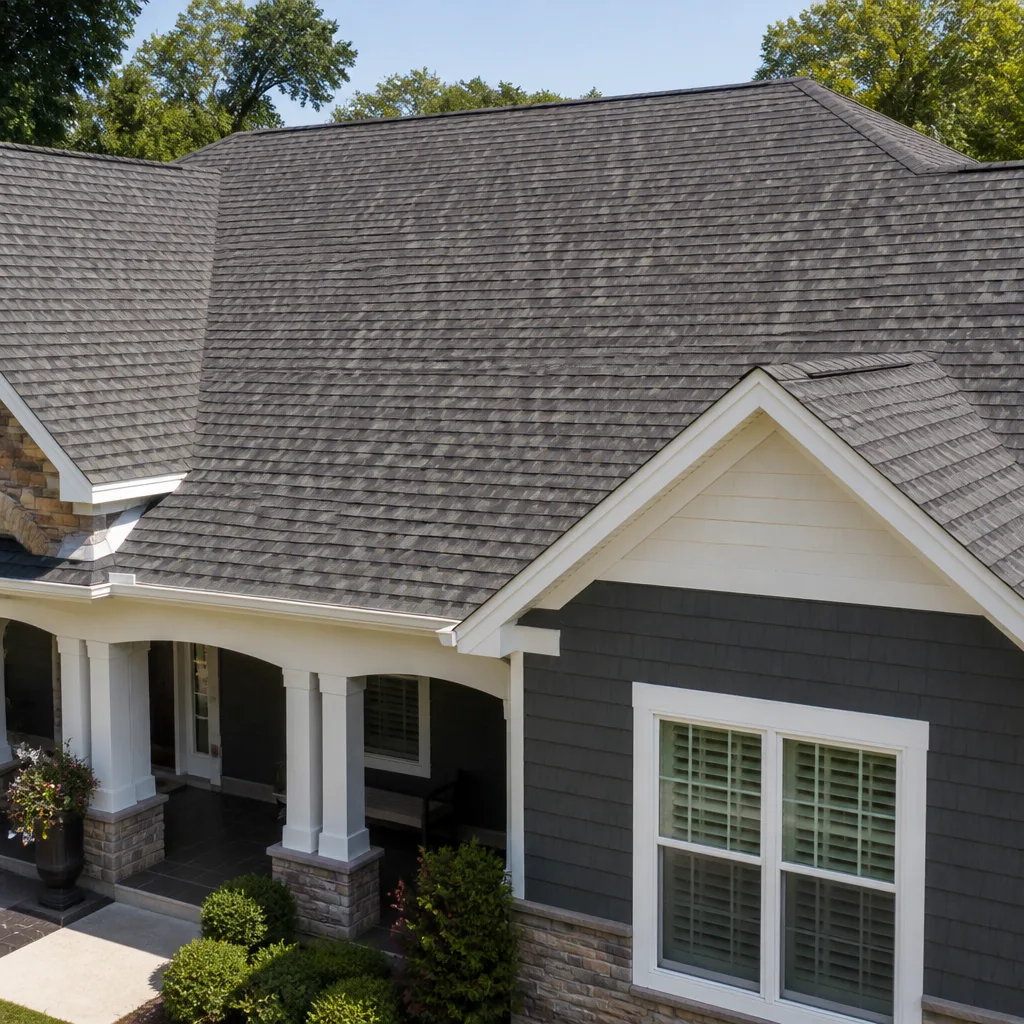 Architectural shingles
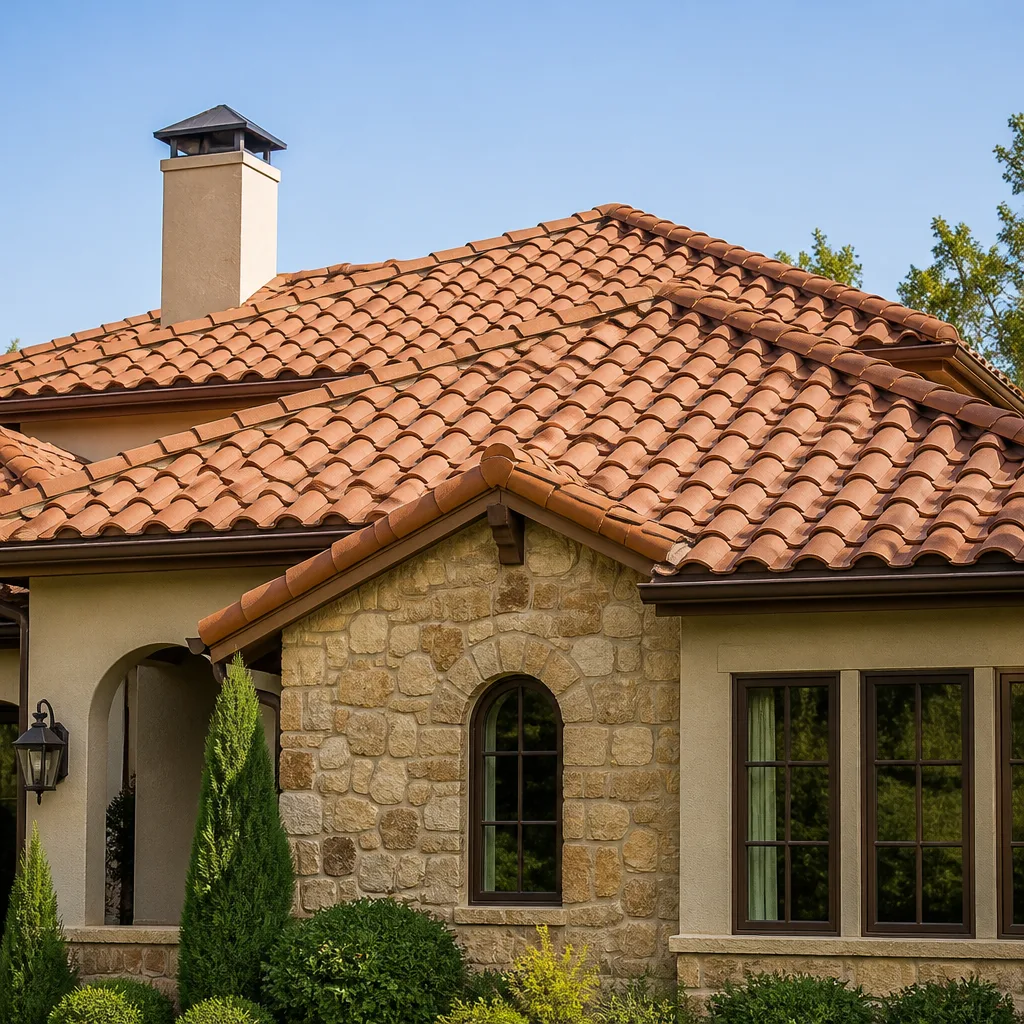 Tile roofing
 GAF
GAF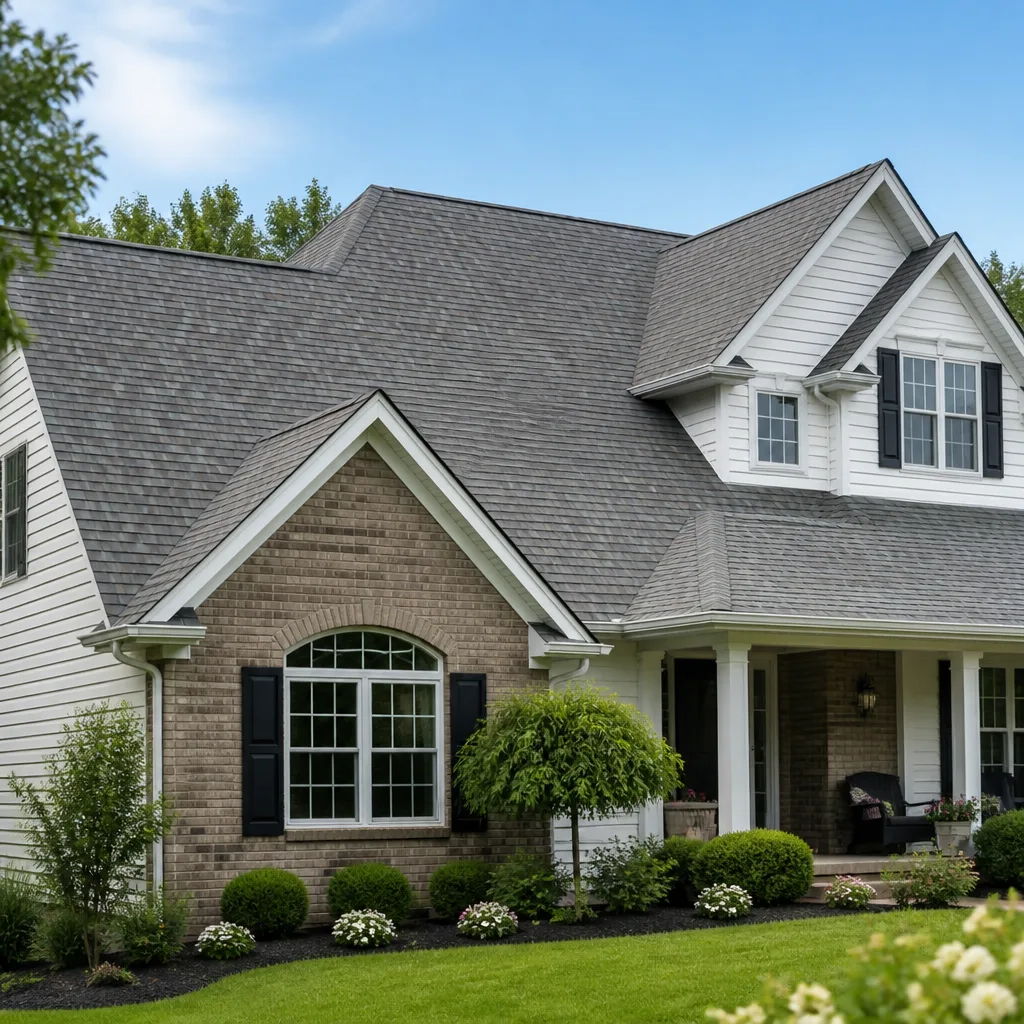 Owens Corning
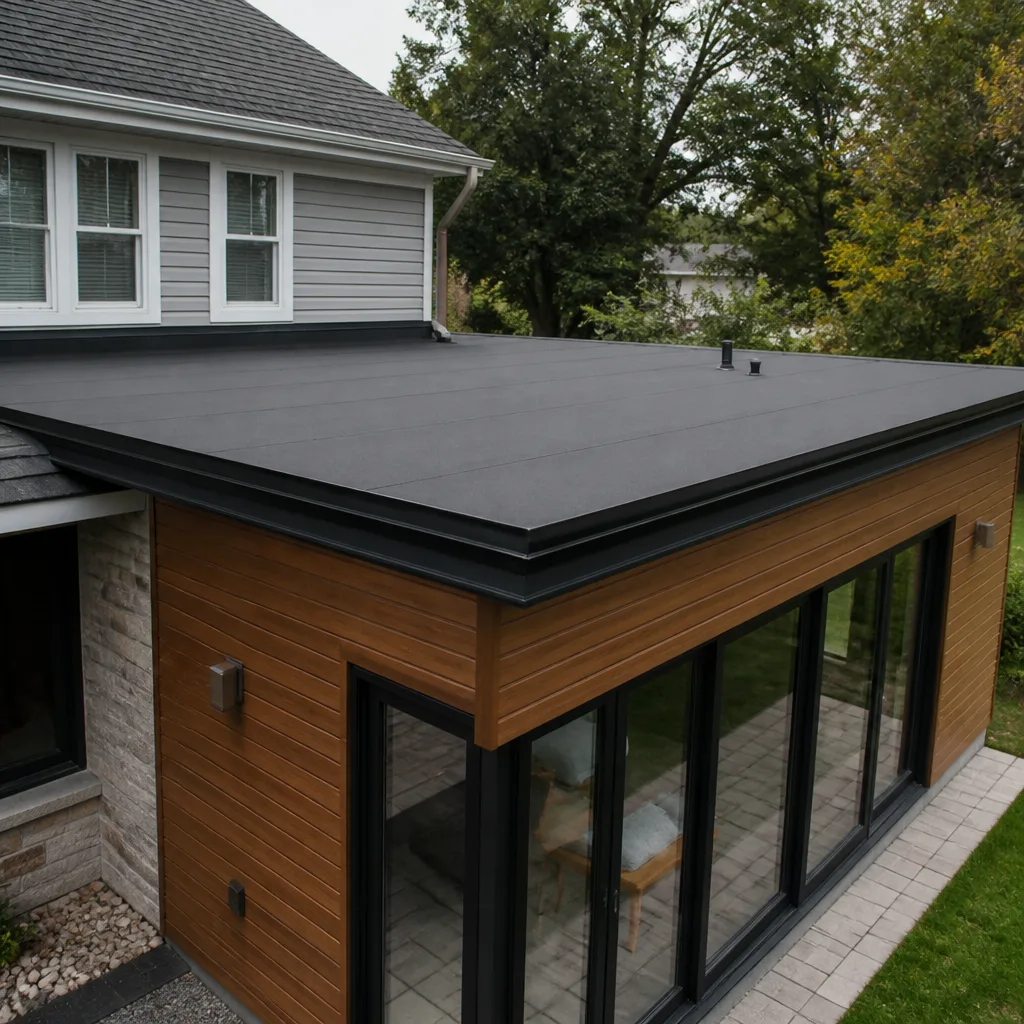 Flat & low-slope
Free roof inspection with deck photos before we talk money - GAF and Owens Corning certified installation
Boral Roof Replacement in Fort Worth: What to Know First
Boral roof replacement in Fort Worth typically takes 3 to 5 working days once materials are on site, and our pricing is always a written dollar amount before any shingle comes off. We’re an independent Boral service provider, not a factory-authorized installer, which means we make parts and material decisions based on what’s actually best for your house, not what a manufacturer’s program requires. If you own a Boral roof in Fort Worth and it’s hitting the end of its service life, this page tells you what we’ve learned pulling these roofs apart over the years, what replacement realistically costs, and how we keep the job clean from tear-off to final photo. Call (682) 990-0964 and a live person answers, day or night.

This page is for homeowners in Fort Worth whose Boral roof is failing or aging out, and who want a straight answer before they commit to anything. Erik Lindgren and our crew have replaced Boral products across the city, from newer subdivisions in Alliance to the older frames near Fairmount where decking condition is always a conversation. Boral made good products. They also made some that we now know fail in specific, predictable ways, especially under North Texas sun and hail. We’ll walk through those below so you know exactly what you’re looking at when you climb up or when we do.
How Boral Products Fail – and How We Fix Them
Boral’s roofing lines weren’t all built the same, and a few of them have failure patterns that repeat job after job here in Fort Worth. Here’s what we see most often, by line, and how we address each during replacement.
- Boral Royal Ridge / Boral Cedar Classic (composite shake and shingle lines): These are molded polymer products with deep grain profiles, and the most common failure we find is thermal cracking at the nail line. The polymer expands and contracts more than the fasteners holding it, and over years of Texas heat, hairline cracks open right at the nail heads. Water finds those cracks, and by the time a homeowner sees a ceiling stain, the decking underneath has been wet for months. Our fix during replacement is straightforward: we photograph every section of decking as it’s exposed, replace any compromised boards with new CDX plywood to match thickness, and when we install the replacement product, we spec fasteners with proper head diameter and a placement pattern that respects the thermal movement. We don’t reuse old fastener lines. That’s how you get another twenty years instead of six.
- Boral Concrete Roof Tile (flat and low-profile profiles): The classic Fort Worth failure is hairline fractures from impact that don’t show up until a year after a hailstorm. Concrete tile can crack at the micro level, and the crack travels slowly. You’ll see a roof that looks fine from the curb, but the underlayment is shot. We walk the roof tile by tile on every Boral replacement and map the cracked pieces before we ever start quoting, because the number of cracked tiles changes the bid. During replacement, we remove tiles in a controlled pattern and reinstall salvaged tiles where they’re still structurally sound, which saves real money on a full re-roof.
- Boral Clay Tile (mission and S-curve profiles): Clay tiles fail differently than concrete. They’re more brittle. The typical Fort Worth story is corner spalling near the eave line, caused by water wicking back under the tile edge during freeze-thaw cycles. We get maybe six or eight freeze events a year that matter, but over fifteen years, that’s enough. When we replace a Boral clay roof, we check the eave course first, because if that course is spalled, the underlayment below it is almost certainly degraded, and that changes the scope from tile replacement to a full tear-off with new underlayment. We write it plainly in the estimate.
- Boral Timberline (asphalt shingle offering): Not to be confused with GAF’s Timberline line. Boral distributed an asphalt shingle under this name for a while, and the failure mode we see in Fort Worth is premature granule loss along the west and south roof slopes. The asphalt compounds in these shingles didn’t hold up to the angle of Texas summer sun. By year 12, the shingles are bald, brittle, and the fiberglass mat is exposed. Once you see that, repair is off the table, and we’re talking full replacement. Our recommendation on these jobs is almost always to move to a modern architectural shingle, and we carry GAF, Owens Corning, and CertainTeed as direct replacements. We’ll walk you through the warranty differences honestly.
- Boral Metal Roofing (steel shingle and standing seam profiles): Steel doesn’t crack like polymer or clay, but the coating system on early Boral metal lines fails at the screw heads and overlaps. Water gets under the coating, red rust streaks appear, and the metal looks worse than it actually is, but the leak risk is real at the fasteners. On a Boral metal replacement, our first question is whether the failed areas are isolated to a few panels or systemic. If it’s localized, we often do a partial system replacement with matching or superior metal profile from our supplier network. If it’s systemic, we don’t patch a losing battle. We quote the full re-roof.
Here’s the detail you won’t find in Boral’s own literature: the nail-line cracking on polymer shake products almost always starts on the roof plane that gets the most afternoon sun exposure. In Fort Worth, that’s typically the west-facing slope. If you have a Boral polymer roof and the west slope looks different from the east slope, that’s your early warning sign. Another checkable detail: Boral concrete tile roofs from the mid-2000s were installed over 30-pound felt in most Fort Worth homes, and that felt is now at the end of its life even if the tiles still look fine. The tiles can outlast the underlayment. A tile that survives fine is still a roof that leaks if what’s under it is dried out and cracked.
Styles & brands we work with
Our Boral Roof Replacement Process
Every Boral job follows the same careful sequence, whether we’re replacing twenty square of polymer shake or forty square of concrete tile. We don’t skip steps, and we don’t surprise you with a change order halfway through.
- 1
The walk-through and written price. Erik or a lead tech walks the roof, photographs every plane, maps the failed sections, and checks the decking condition in the attic where possible. You get a written price in dollars before anything starts. Not an estimate range. A number. A written price before we touch a shingle, that’s just how the job starts.
- 2
Interior protection setup. Shoe covers go on at the door. Drop cloths are laid through the hallway and under the attic access. If the dog needs to stay inside, we coordinate which door the crew uses so nobody bolts. We use pet-safe product choices wherever there’s a real option on the job.
- 3
Tear-off and decking inspection. We remove the old Boral material in sections, not all at once, so we’re never exposing more roof than we can re-cover in a shift. Every exposed decking board gets inspected, and any rot that wasn’t visible from the attic gets documented and brought to your attention before we frame it for replacement. You see it. We don’t hide it.
- 4
Parts decision: OEM vs quality aftermarket. If the job uses Boral replacement material, we source genuine Boral components where the product line is still made and available. If Boral has discontinued the line, we match with quality aftermarket alternatives that perform the same or better, and we explain the trade-off in plain language. We never install mystery material to hit a price point.
- 5
Installation, testing, and the clean-up photo. New underlayment goes down, the replacement roof product goes on, and we water-test critical flashings and junctions before we call the job done. Then the crew cleans the ground, the gutters, the porch, and the driveway. Before the truck leaves, you get a photo of the completed clean-up. That’s standard on every Birchbark job.
- 6
The 365-Day Done Right Promise. We walk the job with you at the end, and if anything isn’t right, we fix it. The guarantee is stamped on your paperwork and covers every roof repair and replacement we perform. If the work isn’t right, we make it right, no negotiation.
See the difference
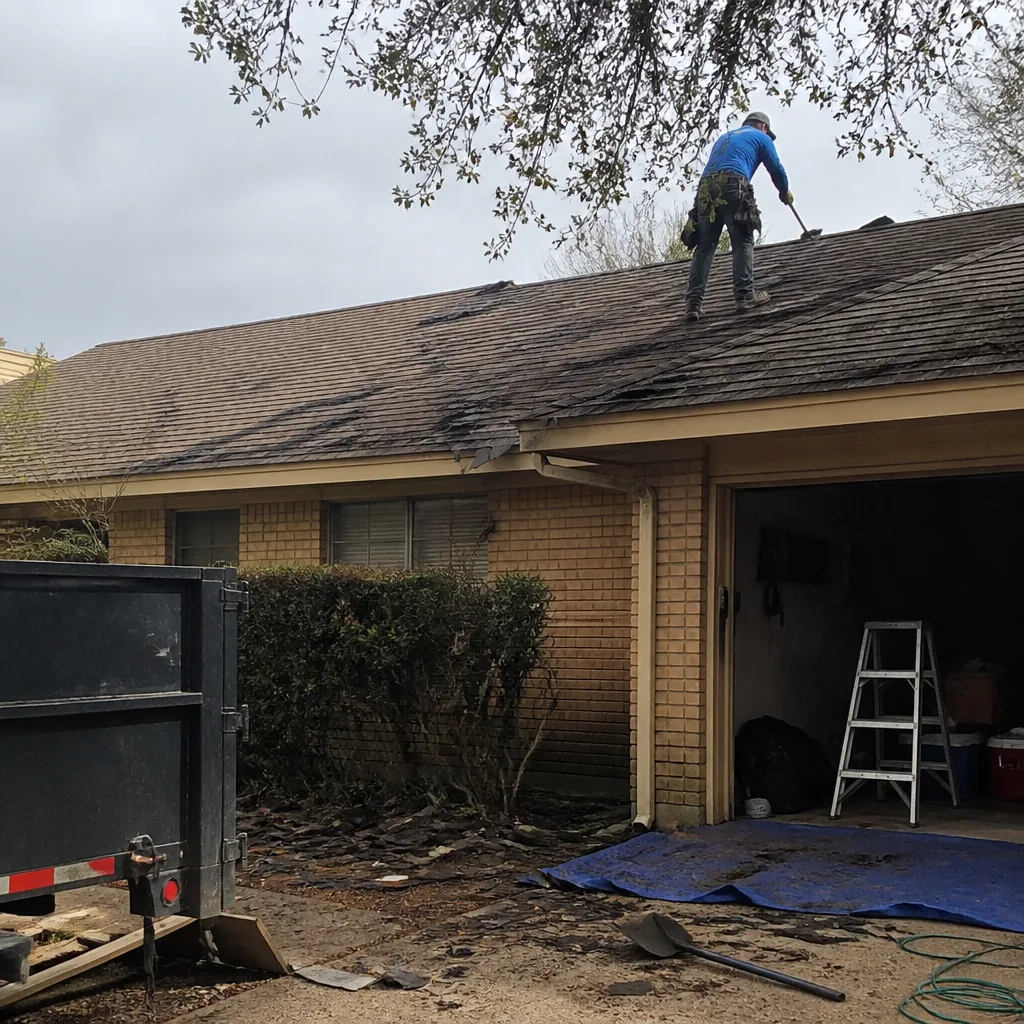 Before
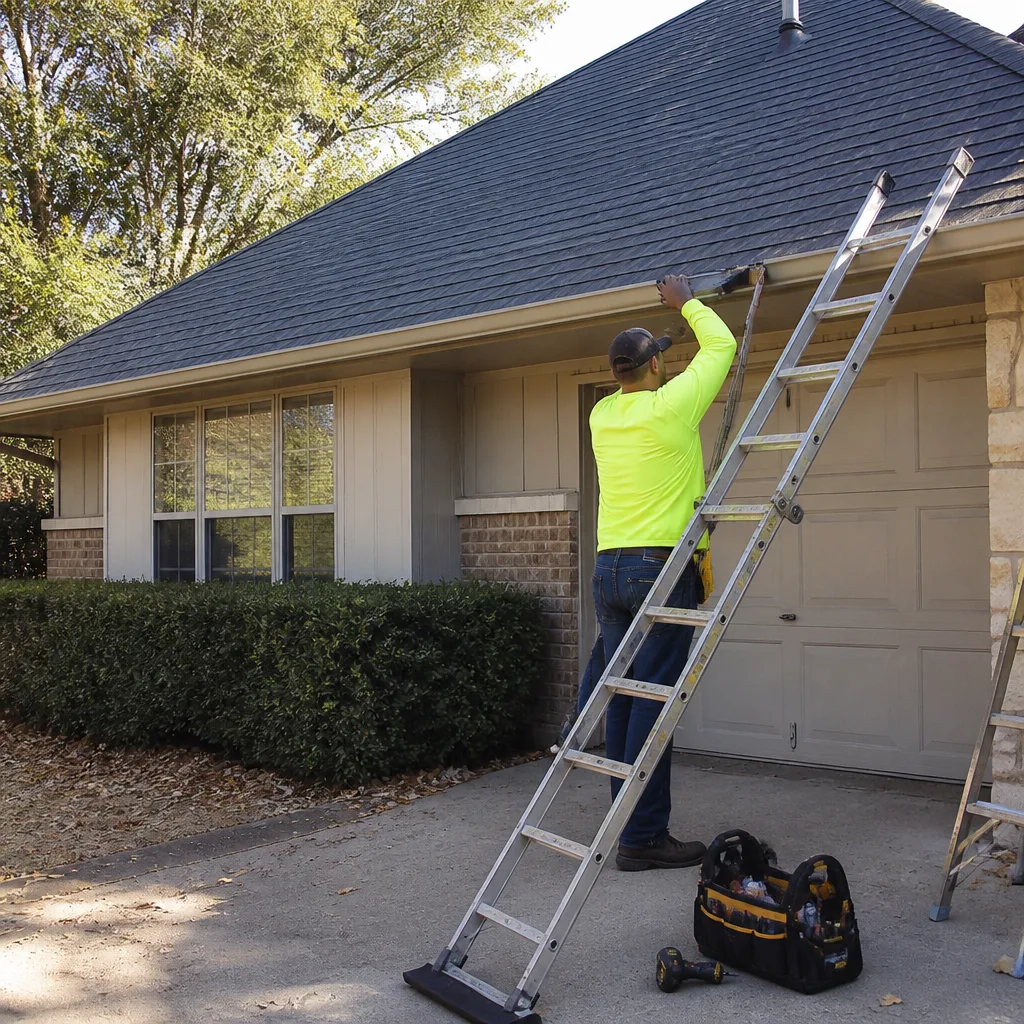 After
After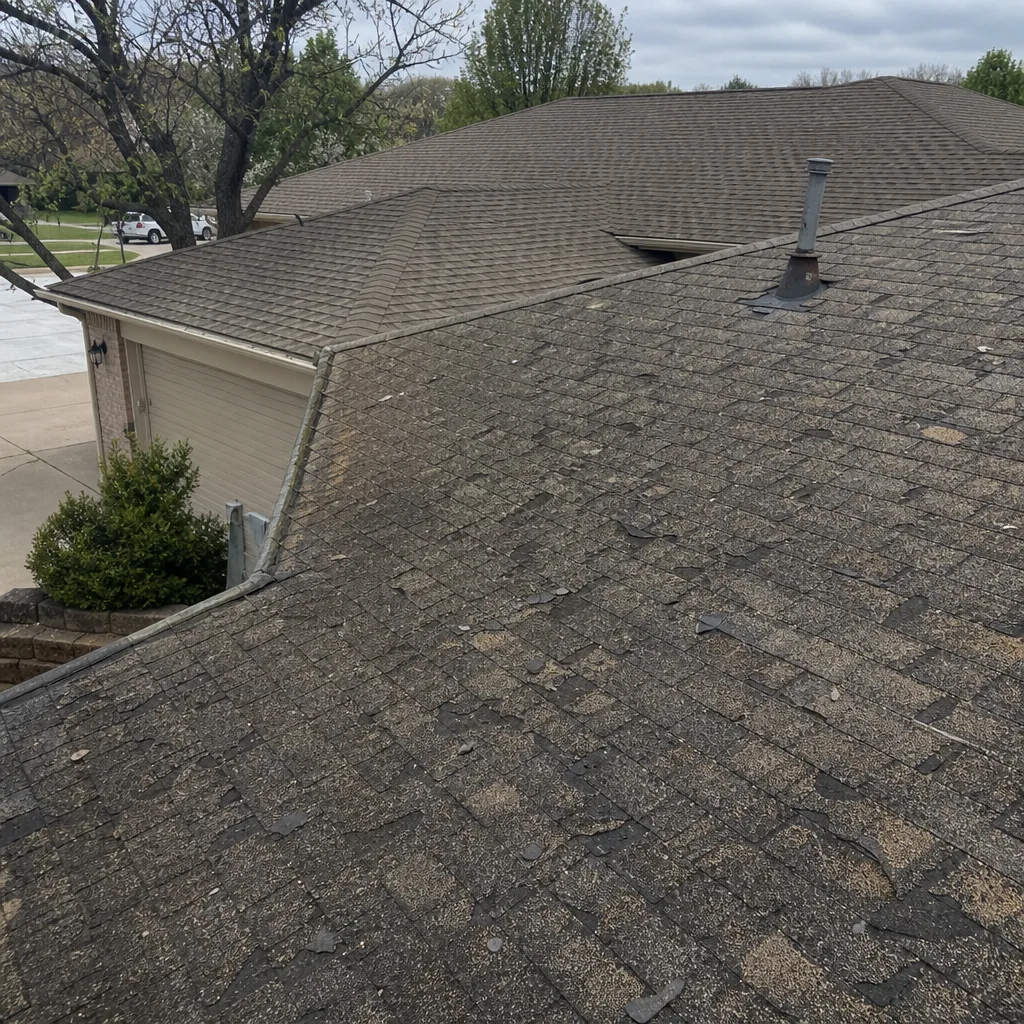 Before
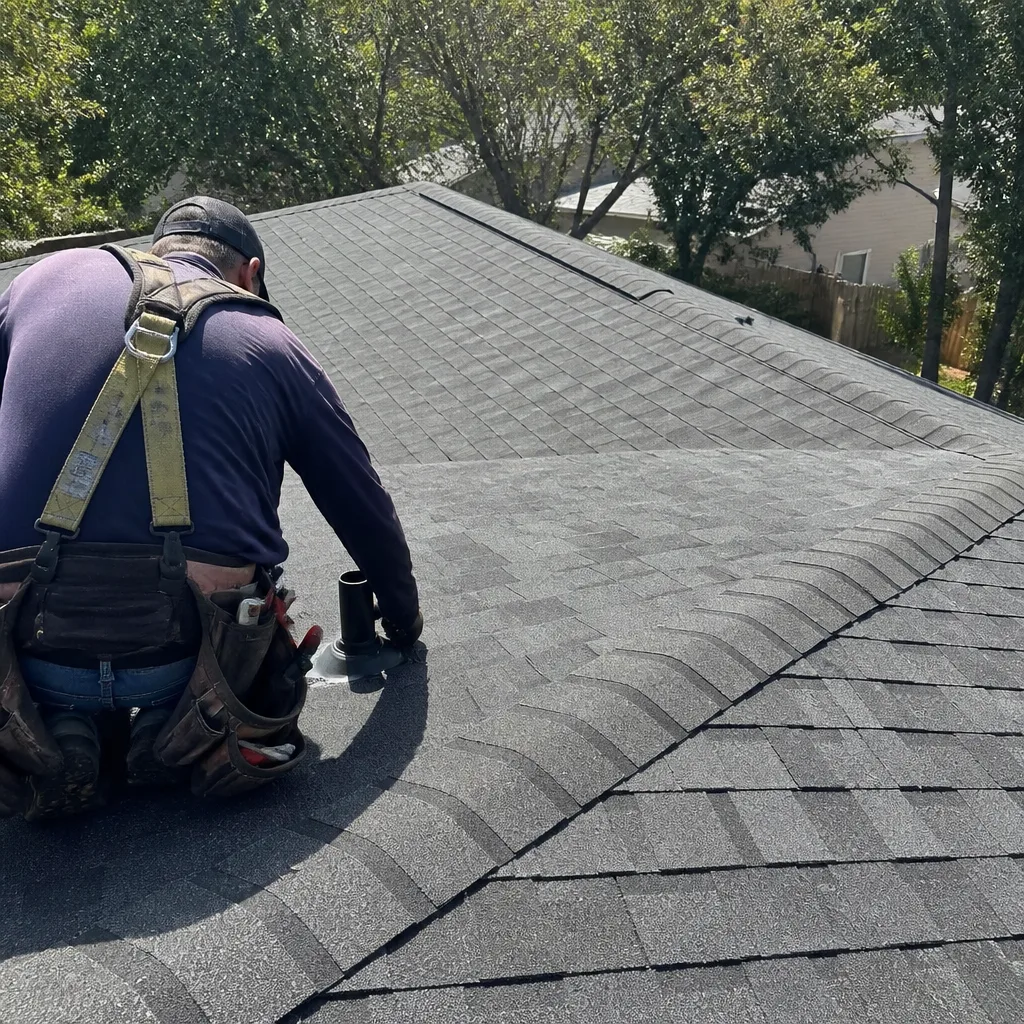 After
After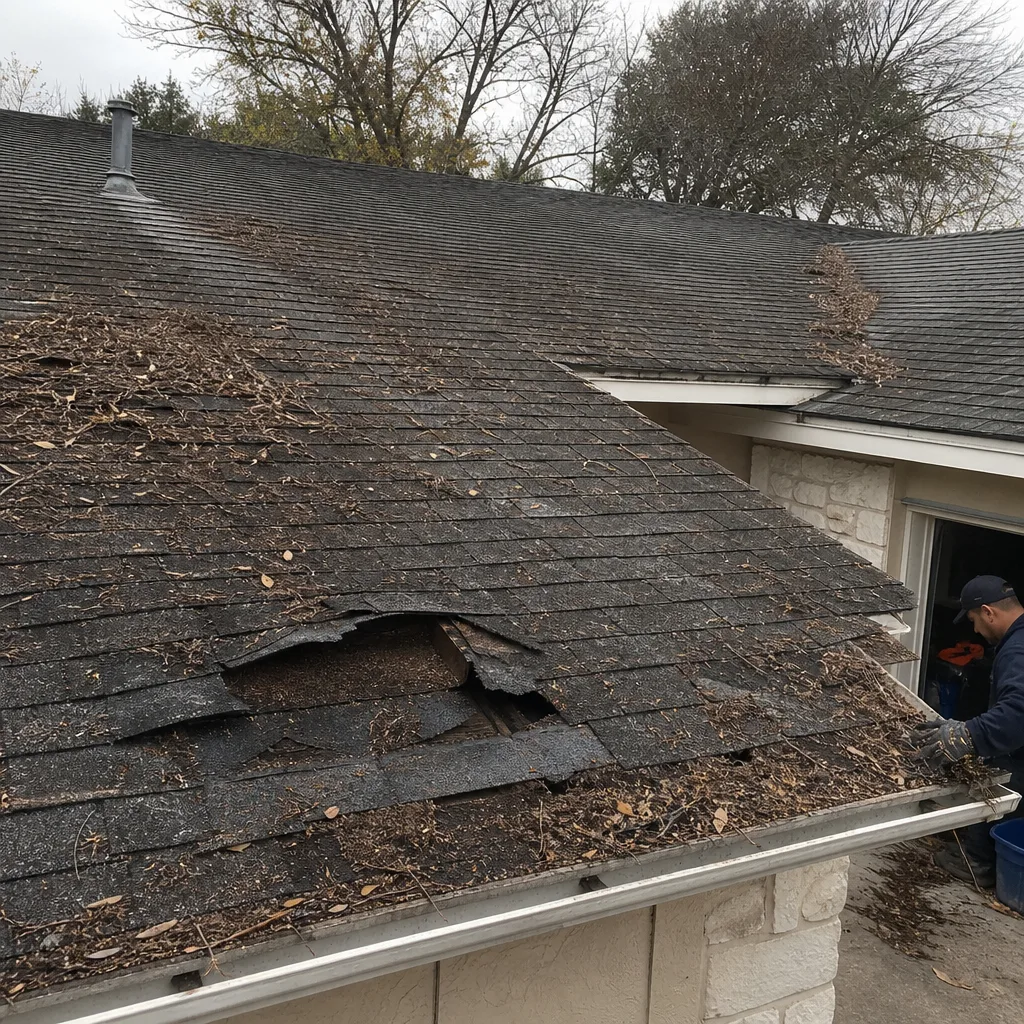 Before
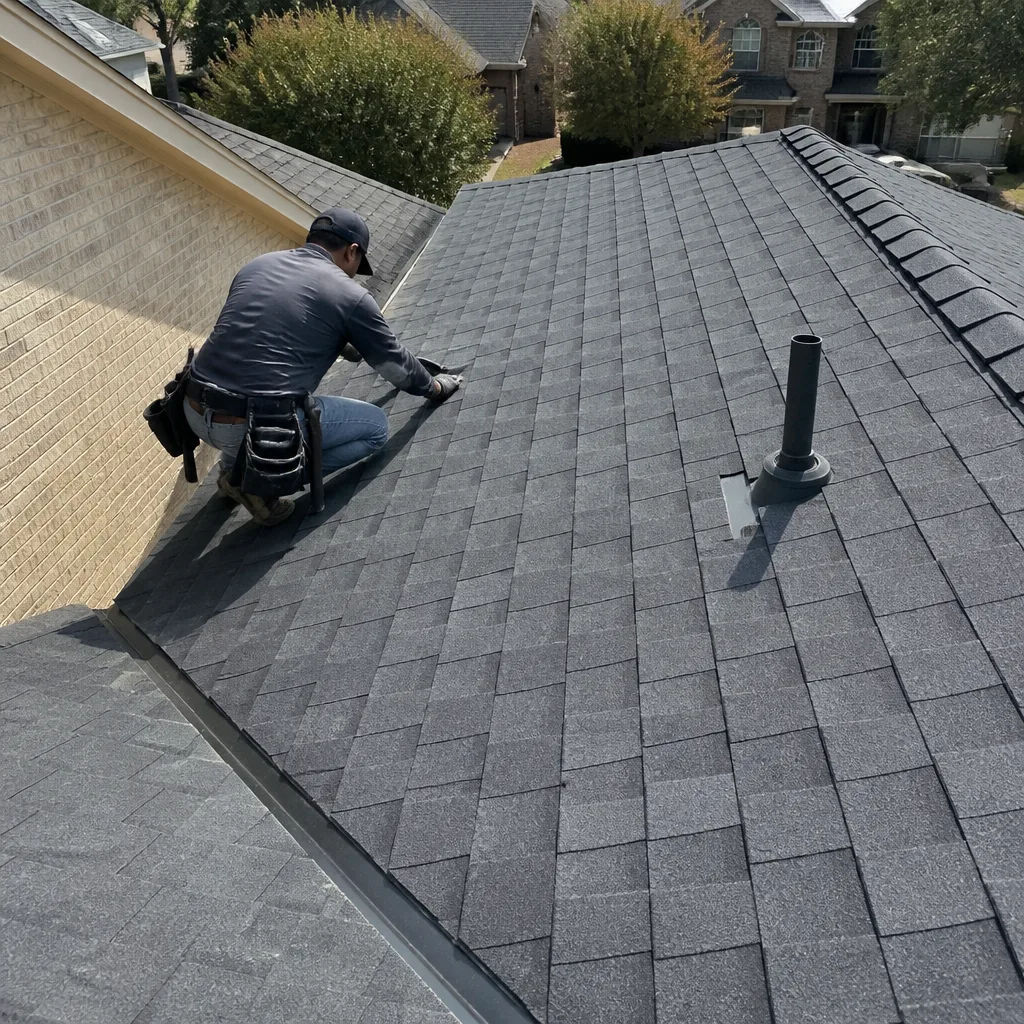 After
AfterWhat Boral Roof Replacement Costs in Fort Worth
Let’s talk straight numbers. Most full Boral roof replacements in Fort Worth run between $14,500 and $35,000, depending on the product line, the roof size, and the condition of what’s underneath. A single-story polymer shake roof under 2,500 square feet typically lands between $14,500 and $19,500. Concrete or clay tile jobs run higher, usually $24,000 to $35,000 for a full tear-off because of the labor on removal and the new underlayment system. Decking replacement, if needed, adds from $2.50 to $3.75 per square foot of replaced deck. You’ll see the exact figure in writing before we start, and that number doesn’t move unless you change the scope. Call (682) 990-0964 and we’ll walk your roof and give you the written price.
What moves the cost on a Boral job: steep pitches cost more in labor, tile salvage rates change the material bill, and any rotted decking is a per-board expense. We tell you all of that before you sign anything.
Why Fort Worth Homeowners Call Birchbark Roofing Fort Worth for Boral Work
We don’t rely on a handshake and a promise to keep our job clean. Birchbark Roofing Fort Worth works under the Cedarwell Care Promise, which spells out exactly what you can expect before anyone climbs on the roof. The C.A.R.E. values run every job: Clean up like it is our own home; Ask before we move or touch anything; Respect the family’s time and quiet hours; Explain the price before the work. Shoe covers and drop cloths on every visit, pet-safe product choices where available, and that clean-up photo before the crew leaves. We’re part of the Cedarwell family of roofing companies since 2000, and every Birchbark location is independently owned and operated.
Our techs know Boral from the roof side, not from a catalog. Erik Lindgren learned the trade at Los Angeles Trade-Technical College and has spent the better part of two decades on North Texas rooftops, including the older Fort Worth homes near the Fairmount Historic District where original decking and steep pitches force you to slow down. When someone calls with a Boral problem, we know what they’re describing because we’ve stood on that roof already, probably within the last few months. And when Boral isn’t the right replacement choice anymore, we work with GAF, Owens Corning, and CertainTeed so you’re not cornered into one brand’s ecosystem.
A live person answers our phone 24 hours a day, 7 days a week, including nights and weekends. No voicemail trees. Call (682) 990-0964, and a real human picks up.
FAQs
Yes, but the Boral warranty is a product warranty, not a labor warranty, and most Fort Worth Boral roofs installed before 2010 have already outlasted their prorated coverage. A warranty claim typically covers defective product only, not the labor to tear off and reinstall. We’ll check your specific Boral product line and installation date, pull the warranty terms, and tell you honestly whether a claim is worth filing before we recommend replacement. Call (682) 990-0964 and we’ll walk your roof first.
Boral’s roofing division sold off or discontinued most of its product lines over the last decade, so availability varies by line and profile. Some Boral concrete tile and clay tile profiles are still manufactured by the companies that acquired those molds, and we can source them. Polymer shake products like Cedar Classic and Royal Ridge are largely discontinued, which means we either source the remaining inventory or recommend a quality aftermarket replacement that matches the appearance. We’ll show you options and prices in writing before you decide. Call (682) 990-0964 for a free estimate and we’ll check current availability for your specific Boral product.
That depends on what’s failing. If you have a localized problem, like a few cracked concrete tiles or a single flashing failure, repair usually makes sense and we’ll quote it honestly. If you have nail-line cracking across multiple polymer shake bundles, granule loss on an old asphalt Boral line, or underlayment that’s reached the end of its life, repair becomes a patchwork that costs you more over the next five years than a full replacement. We’ll show you the evidence on your own roof and let the condition guide the call, not our preference. Get the free inspection at (682) 990-0964.
A full Boral roof replacement in Fort Worth typically takes 3 to 5 working days, depending on the roof size, pitch, and how much decking needs to be replaced. Concrete and clay tile jobs run toward the longer end because of careful removal and salvage work. We schedule in a way that keeps your home protected each night, and the crew checks for overnight risks before they leave, every single day. Call (682) 990-0964 and we’ll give you a realistic timeline for your specific roof.
Yes. We pull the required permits for every Fort Worth roof replacement, schedule the inspections, and stand with the inspector when they’re on site. The permit work is part of the written price, not a surprise line item at the end. If the inspector flags anything, we fix it under the 365-Day Done Right Promise. You shouldn’t have to chase paperwork on a job this size. Call (682) 990-0964 to talk through the permit and inspection requirements for your neighborhood.
Written by Erik Lindgren, Owner, Birchbark Roofing Fort Worth at Birchbark Roofing Fort Worth, serving Fort Worth and nearby areas.