
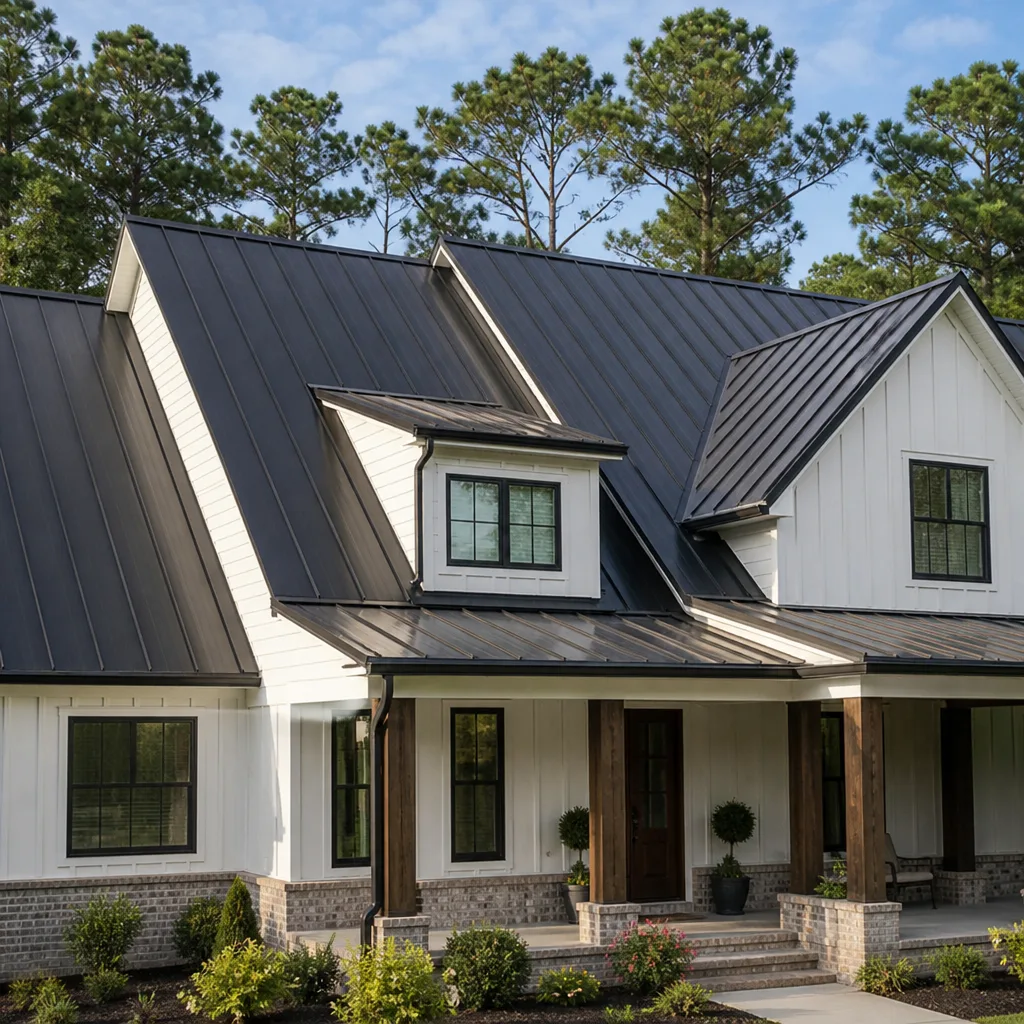
 Metal roofing
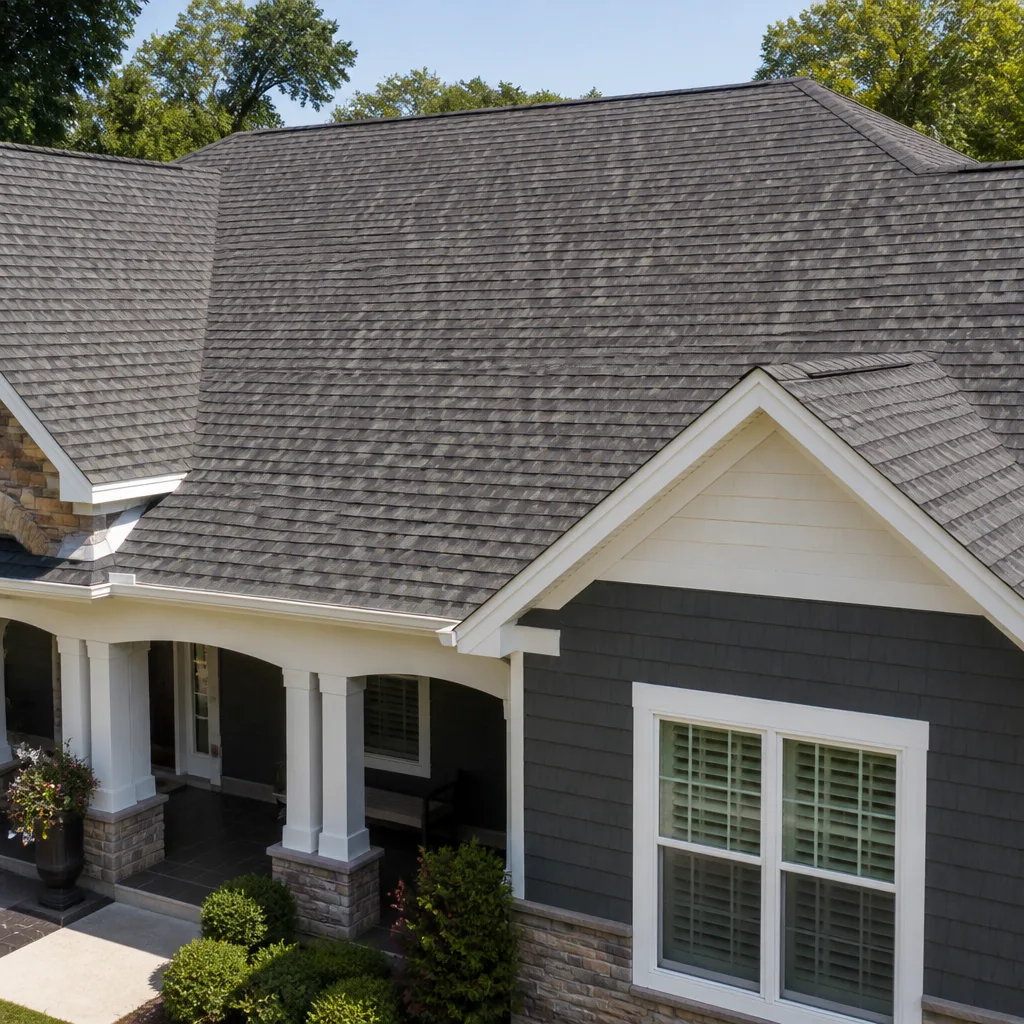 Architectural shingles
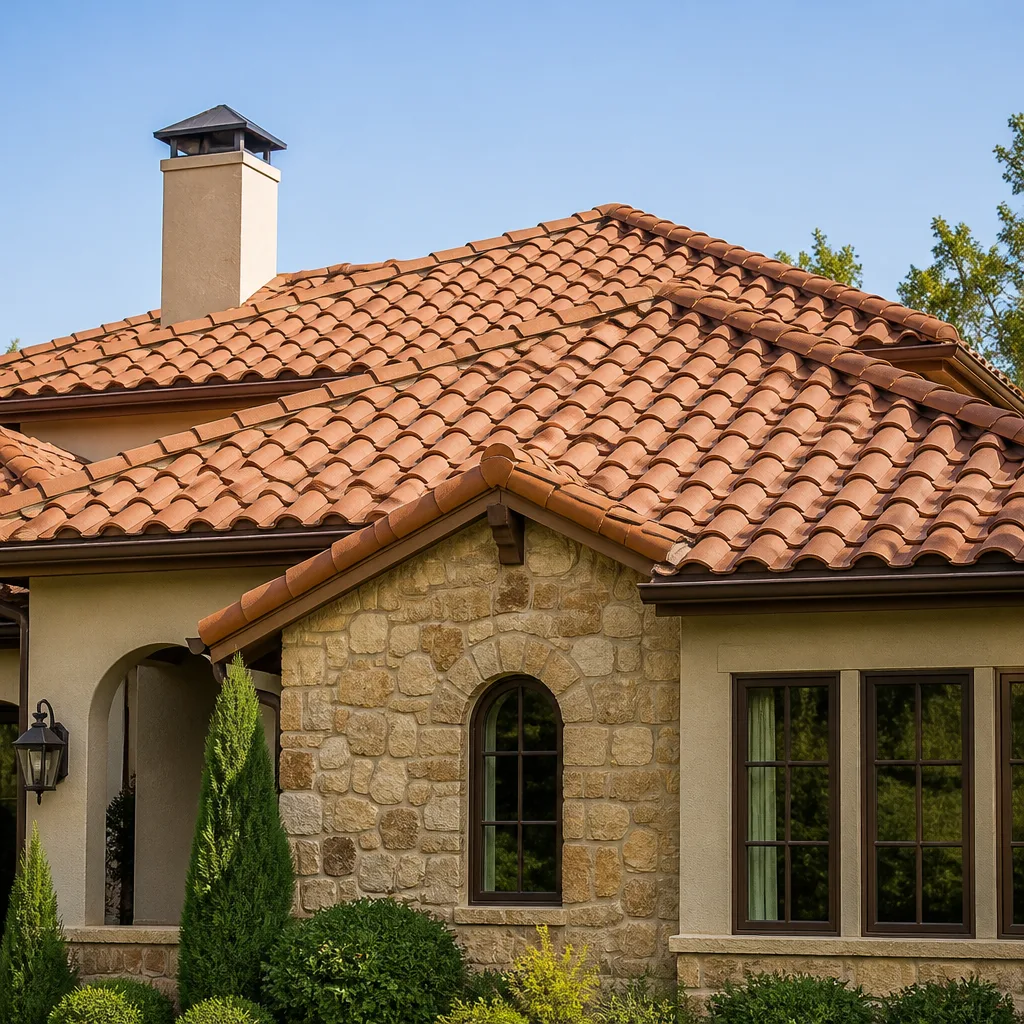 Tile roofing
 GAF
GAF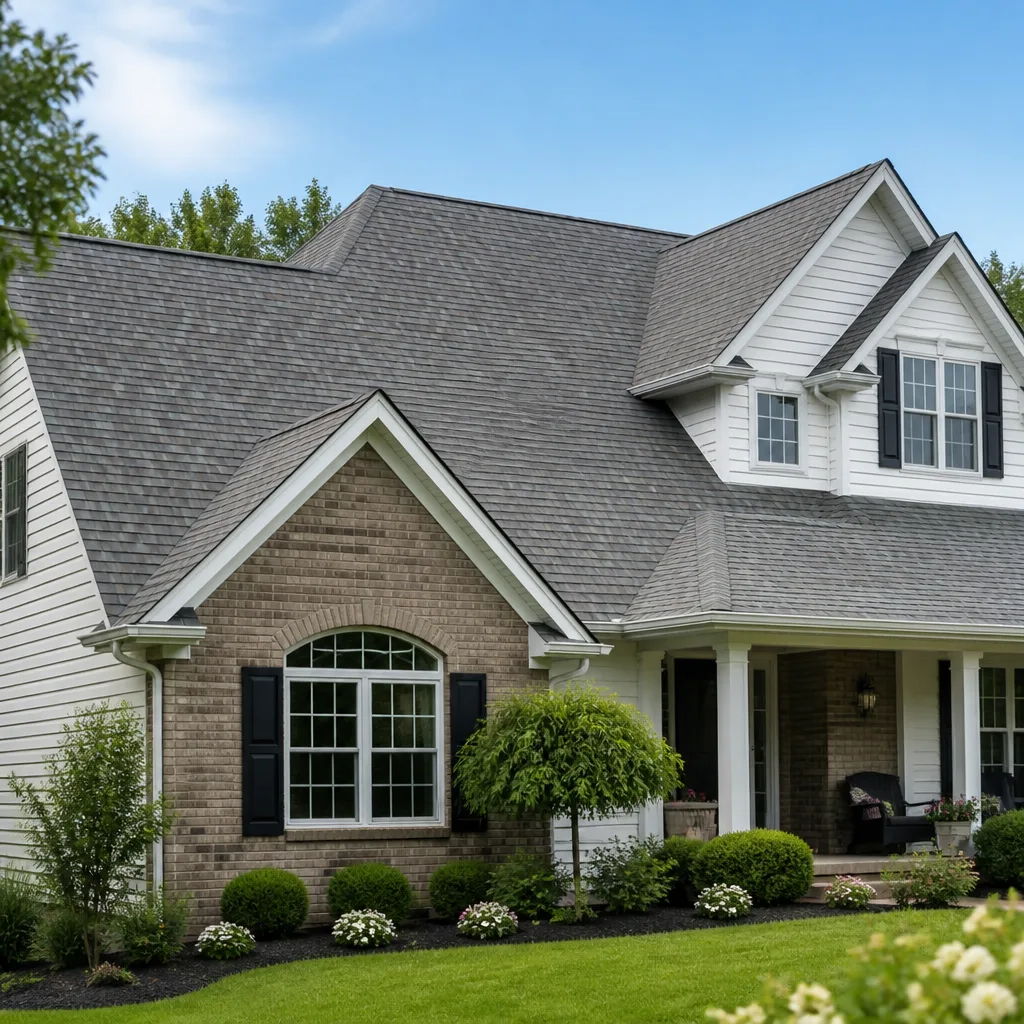 Owens Corning
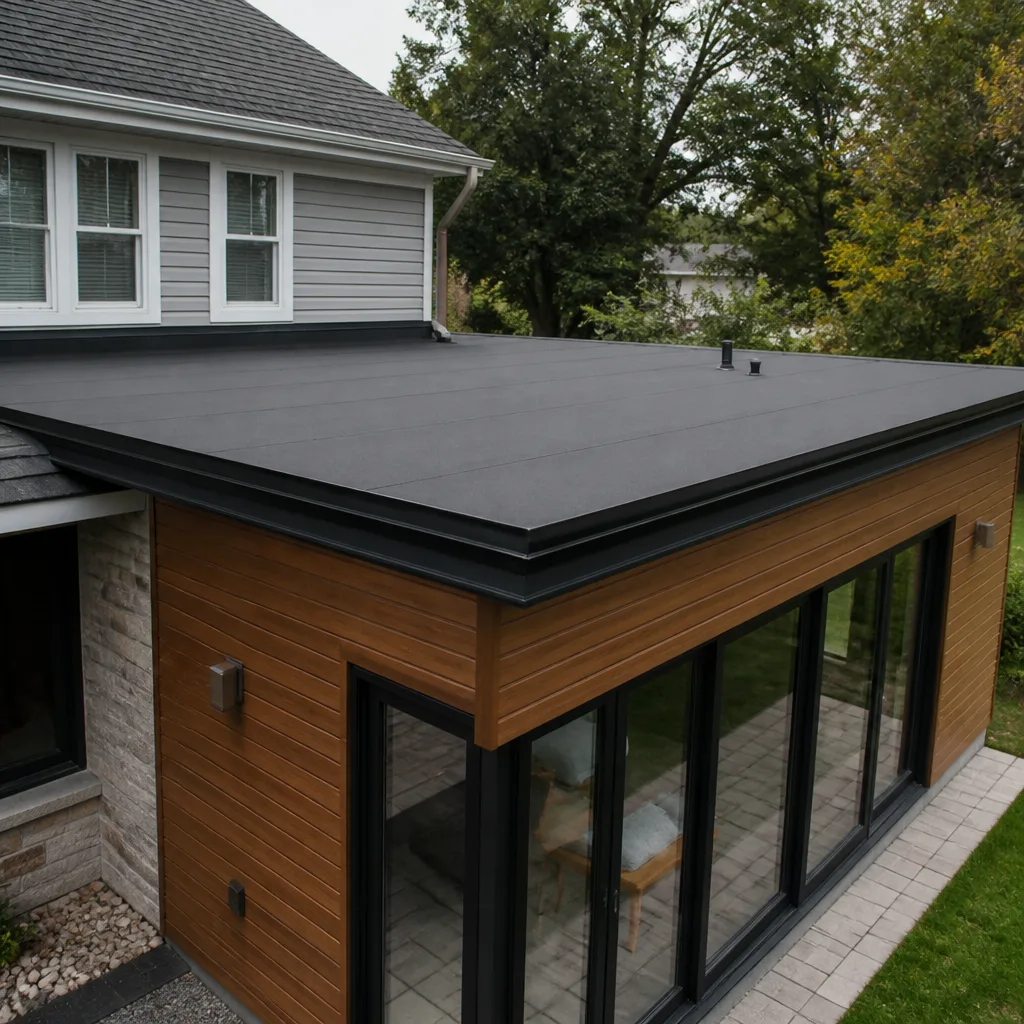 Flat & low-slope
Free roof inspection with deck photos before we talk money - GAF and Owens Corning certified installation
Styles & brands we work with
See the difference
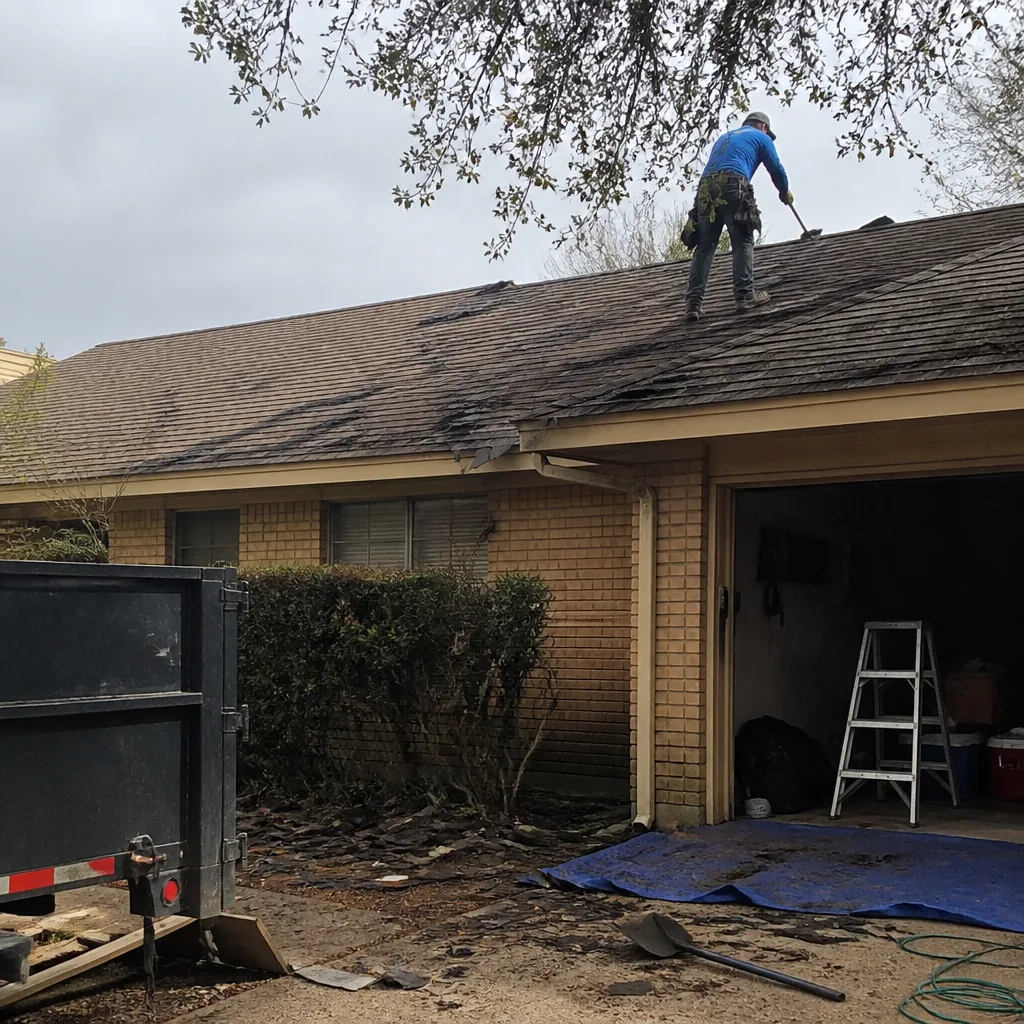 Before
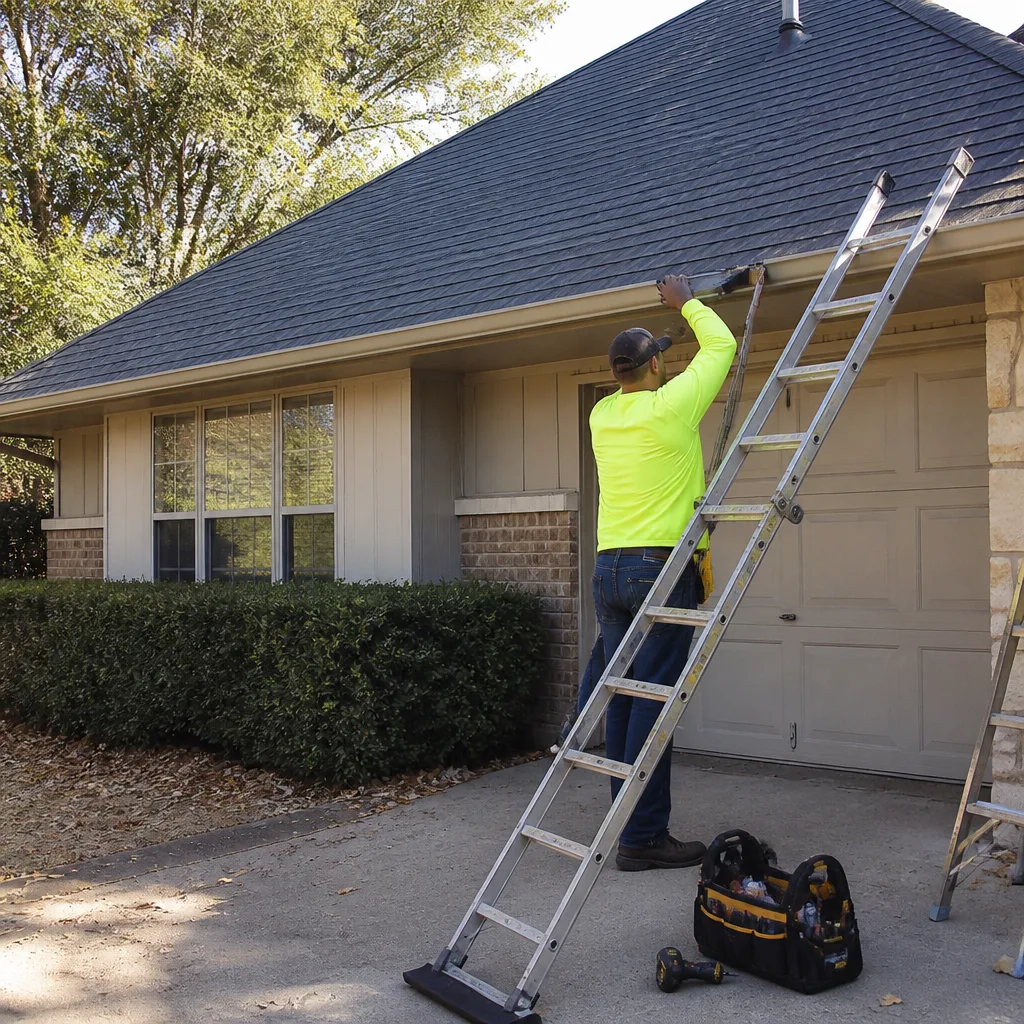 After
After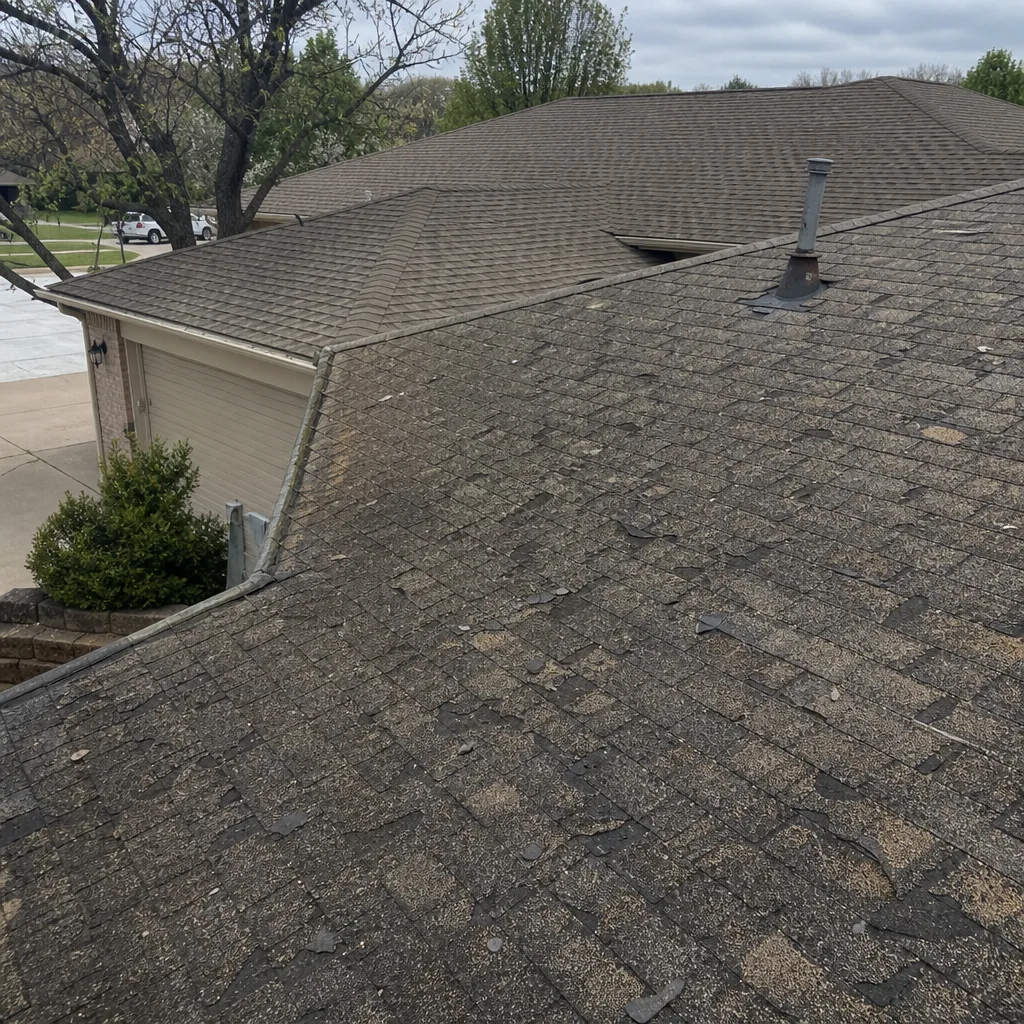 Before
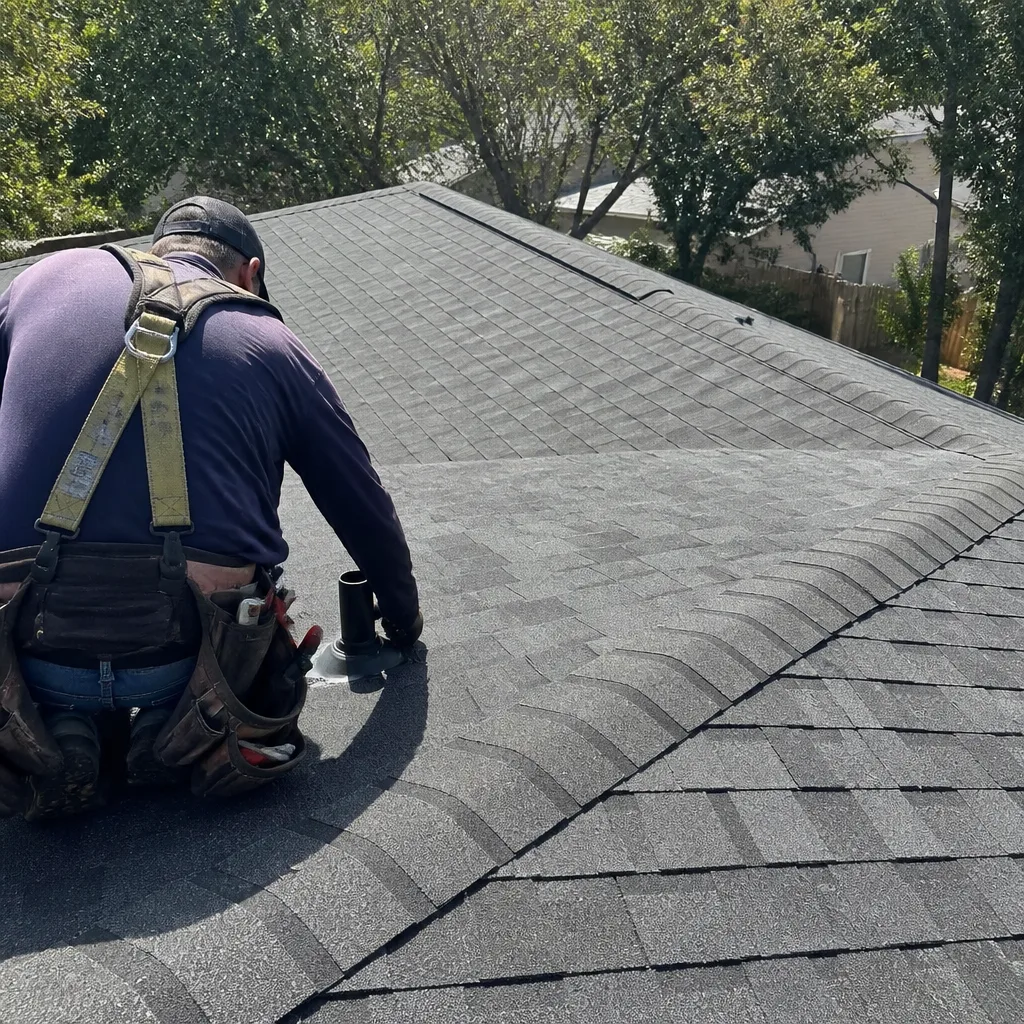 After
After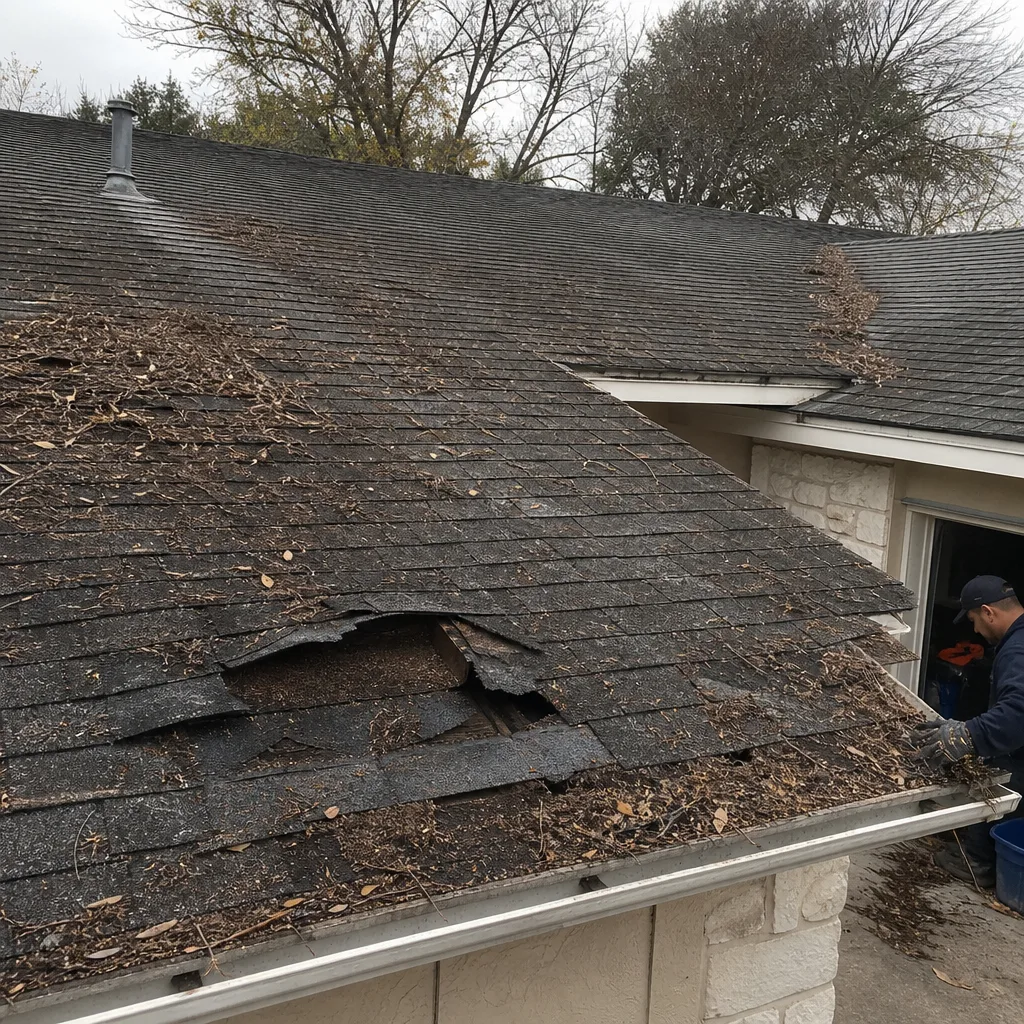 Before
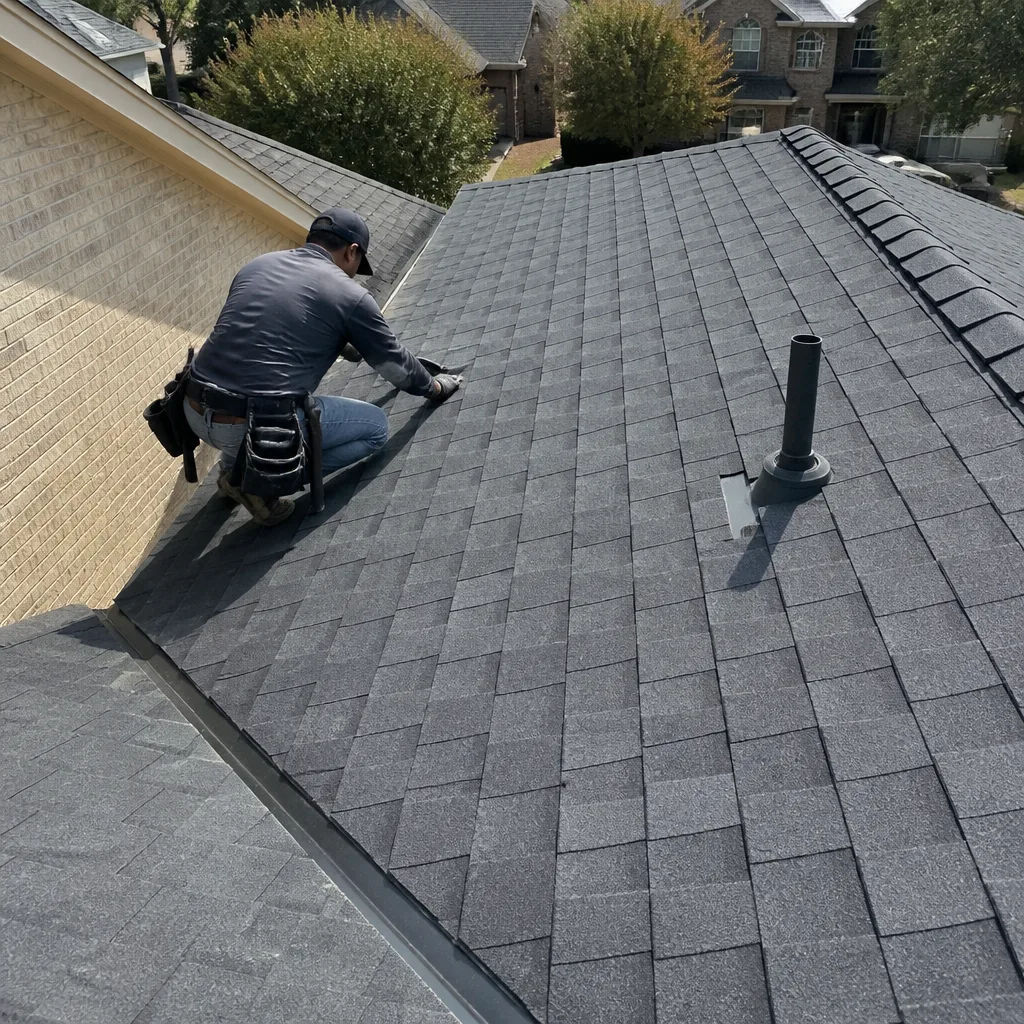 After
AfterValley Repair in Fort Worth, TX
Valley repair addresses the “V” shaped channels where two roof slopes meet, and in Fort Worth, these valleys take a beating from spring hailstorms, summer heat that bakes shingles until they’re brittle, and the occasional ice event that freezes water right where it wants to drain. Most valley leaks in Fort Worth homes trace back to either worn sealant, rusted valley metal, or shingles that were cut too thin at the valley line during the original install. Birchbark Roofing Fort Worth fixes valleys the right way the first time, with a written price before we touch anything, so you know exactly what the repair costs before a single shingle comes off.
If you’re seeing water stains on ceilings near a dormer, a chimney, or anywhere two rooflines meet, call us at (682) 990-0964. We’ll send a background-checked, uniformed technician to your home, and you’ll get the diagnosis and the price in writing before any work begins. This page walks through what valley repair involves, what it costs in the Fort Worth market, and why our approach keeps your floors clean and your family’s routine intact. If you want a broader look at how we handle everything from missing shingles to full roof work, see our Roof Repair page.
Key Takeaways:
- Valley repairs in Fort Worth typically run between $350 and $900 for localized fixes, and $1,200 to $2,800 when the entire valley needs rebuilding.
- Most valley leaks are caused by deteriorated sealant, damaged flashing, or improper shingle cuts, not by the roofing material itself.
- Birchbark Roofing Fort Worth provides a written price before any work starts, shoe covers and drop cloths on every visit, and a clean-up photo before we leave.
- A live person answers our phone 24/7, including nights and weekends.
When You Need Valley Repair
Roof valleys are the workhorses of your roof. They channel more water than any other part of the roof surface, which means they fail faster than the surrounding fields of shingles. Here are the specific scenarios we see across Fort Worth neighborhoods like Wedgwood, Arlington Heights, and Tanglewood:
- Water staining on ceilings below a valley line. Brown or copper-colored rings on the ceiling, especially after a heavy rain, usually mean water is getting past the valley flashing and traveling along a rafter before dripping through. This is the most common sign we respond to in older Fort Worth homes where valley metal has rusted through after 15 to 20 years.
- Granules collecting in your gutters below a valley. Valleys force water to move fast, and fast-moving water grinds shingle granules off at a faster rate than flat roof sections. If you’re cleaning the same gutter section every season and seeing a black sandy sludge, the valley shingles are likely wearing thin.
- Wavy, buckled, or lifted shingles along the valley line. Fort Worth’s summer heat expands roofing materials, and when they cool at night, they contract. Over years, this thermal cycling pops nails and warps shingles right at the valley edge, leaving gaps where wind-driven rain can push under.
- Visible rust on metal valley flashing. If you can see orange streaking down the valley metal from the ground or from a dormer window, the flashing has lost its protective coating and is actively corroding. Once corrosion starts, it spreads fast in our humid spring months.
- Ice dams forming in a valley during winter freezes. When Fort Worth gets a hard freeze after a rainy day, water trapped in a valley can freeze and lift shingles along the edges. Once the ice melts, the shingles often don’t seal back down, and that’s when the leak appears.
- Debris accumulation in valleys from overhanging trees. Live oaks and pecans are everywhere in Fort Worth, and their leaves and twigs collect in valleys. Decomposing organic matter traps moisture against the shingles and flashing year-round, accelerating rot and rust.
If any of these sound familiar, don’t wait for the next big storm to confirm the leak. A quick call to (682) 990-0964 gets a technician out to look, and the inspection comes with a written report and a written price for whatever we find.
Our Valley Repair Process
We approach valley repair with the same care we bring to every roof we work on, which means protecting the inside of your home before we ever step on a ladder. Here’s what happens when you call Birchbark Roofing Fort Worth for a valley repair:
- You call, and a live person answers. Not a voicemail tree, not a callback request. A real person picks up 24 hours a day, 7 days a week, and schedules your inspection. When the technician arrives, they’re background-checked and in uniform, so you know exactly who you’re letting onto your property.
- We inspect the valley from both inside the attic and on the roof. A valley leak isn’t always visible from the roof surface, so we go into the attic when we can to trace water stains, check the decking for rot, and confirm exactly where water is entering. This dual inspection means we fix the right spot the first time, not the most obvious spot.
- You get a written price before any work starts. We don’t do verbal estimates, and we don’t hand you a number that changes once the shingles come off. The price we write down is the price you pay, and it covers the full repair including materials, labor, and clean-up. No surprises.
- We protect your home before we work. Shoe covers go on at the door, drop cloths run through the hallway or any interior path we use, and we coordinate with you if the dog needs to stay inside or the baby’s napping. We ask before we move or touch anything, just like we’d want in our own homes.
- We perform the repair using materials matched to your existing roof. Depending on the scope, this may mean replacing the valley metal with new flashing, cutting and bedding shingles properly at the valley line, resealing with the right product for our climate, or rebuilding the valley entirely with a self-adhered underlayment beneath the shingles. We work with materials from GAF, CertainTeed, and Owens Corning, among others.
- We clean up and photograph the finished site. All debris gets picked up, nails get swept with a magnet, and we take a photo of the completed clean-up before the crew leaves. You’ll see the before and after, and you won’t find a stray nail in your driveway or a scrap of metal in your flower bed.
Every step of this process is covered by our 365-Day Done Right Promise. If the work isn’t right, we make it right. That’s stamped on every job we do.
Valley Repair Pricing in Fort Worth
Most valley repairs in the Fort Worth area fall into a few clear price bands depending on how deep the problem goes. This is what we typically see, but your exact number will come in writing before any work begins:
| Repair Scope | Typical Fort Worth Price Range |
|---|---|
| Resealing and minor flashing patch at one valley point | $350 – $600 |
| Replacing a section of valley metal (up to 10 linear feet) | $600 – $900 |
| Rebuilding a full valley with new underlayment, flashing, and shingles | $1,200 – $2,800 |
| Decking repair beneath a valley (if rot is found) | $400 – $1,200 added to the above |
What moves the price within these ranges:
- Roof pitch and height. A valley on a steep second-story roofline takes longer to work on safely, and that time is reflected in the price. A low single-story valley on a ranch-style home is faster and typically lands at the low end.
- Valley type. Closed-cut valleys, open metal valleys, and woven valleys all repair differently. Woven valleys, common on older Fort Worth homes, require more shingle manipulation and often cost more to fix properly.
- Decking condition. If water has been getting through for a while, the plywood beneath the valley may have rot and need replacement. We won’t know until we open it up, but we always check, and we always tell you what we find before adding anything to the price.
- Material matching. If your roof was installed with architectural shingles from CertainTeed or Owens Corning, matching the existing profile and color affects the material cost. We’ll match what’s on your roof, not what’s cheapest on the shelf.
Estimates are always free. Call (682) 990-0964 and we’ll schedule an inspection, walk the roof with you if you want to see what we see, and hand you a written price before we do anything else.
FAQs – Valley Repair
How much does valley repair cost in Fort Worth?
Valley repair in Fort Worth typically costs between $350 and $900 for a localized fix like resealing or replacing a short run of metal flashing, while a full valley rebuild runs $1,200 to $2,800 depending on roof pitch, decking condition, and material matching. You’ll get your exact number in writing after a free inspection. Call (682) 990-0964 to schedule yours.
Can you fix a valley leak the same day I call?
In many cases, yes. If we diagnose a straightforward flashing or sealant issue and the weather allows safe roof work, we can often complete the repair the same day. A live person answers our phone 24/7, so call (682) 990-0964 and we’ll tell you right away whether same-day service is possible for your situation.
Is it cheaper to repair a roof valley or replace the whole roof?
Repairing a valley is almost always cheaper than replacing an entire roof, but the answer depends on the age and condition of your shingles. If the roof is under 10 years old and the decking is sound, a valley repair makes financial sense. If the shingles are brittle, losing granules, and multiple valleys are failing, replacement may be the better long-term call. We’ll give you an honest assessment and a written price for either option, and the choice stays yours. Call (682) 990-0964 to set up a free inspection.
Will valley repair damage my landscaping or leave a mess?
No. Our crews use shoe covers inside, drop cloths through any interior path, and they clean up all debris from the roof, the driveway, and the yard before leaving. We also take a photo of the completed clean-up and share it with you. If we’re working near flower beds or shrubs, we ask before we move or touch anything, and we lay tarps where material will fall.
Do you offer any guarantee on valley repair work?
Yes. Every valley repair we perform is covered by our 365-Day Done Right Promise. If the work isn’t right within a year of the repair, we make it right at no additional cost to you. This guarantee is stamped on every job, not buried in fine print.
The Fort Worth Roofing Conditions That Wear Valleys Down
Fort Worth’s climate works against roof valleys in ways that homeowners in other Texas cities don’t always experience. We get the same hail and summer heat as Dallas, but our position on the western edge of the metroplex means we catch more wind-driven rain events, especially in spring when storms roll through from the west. That wind pushes rain sideways into valleys, testing seals that a gentle rain would never challenge.
Our summers regularly push past 100 degrees for weeks at a time, and roof surface temperatures in July can hit 160 degrees or higher. That heat accelerates the breakdown of the petroleum-based sealants used in valley flashing. By year 8 or 10, that sealant is cracked and pulling away, which is when the first slow leaks start. Homeowners in neighborhoods like Ridglea Hills and Ryan Place, where many roofs date from the 1990s and early 2000s, are especially prone to this.
Then there’s the freeze-thaw cycle. Fort Worth doesn’t freeze often, but when it does, water that’s pooled in a valley expands as it turns to ice. The expansion lifts shingles at the valley edge and breaks the adhesive bond. When the ice melts, the shingles stay lifted just enough for the next rain to push underneath. It’s a slow failure that shows up months after the freeze itself.
All of this means valley repair in Fort Worth is less about “fixing a leak” and more about correcting how water flows through the most stressed part of your roof. That’s why we take the time to inspect the full valley run, not just the spot where the stain appeared on your ceiling.
Why Homeowners in Fort Worth Choose Birchbark for Valley Repair
Most roofing companies can replace a piece of metal flashing. What sets us apart is how we handle the job from the first phone call to the final sweep of the driveway.
We’re part of the Cedarwell family of roofing companies, a group of independent local businesses that has been roofing since 2000. Each location is independently owned and operated, which means you get the accountability of a local business with the standards of a larger organization. Every Birchbark job is held to the Cedarwell Care Promise. Here’s what that means for you, by name:
- Clean up like it is our own home. Shoe covers at the door, drop cloths through the hallway, all debris cleared and photographed before we leave. The photo is proof, and we take it on every single job.
- Ask before we move or touch anything. Your patio furniture, your potted plants, your kid’s basketball hoop in the driveway. We ask before anything gets moved, and we put it back where we found it.
- Respect the family’s time and quiet hours. If the baby naps at 1, we work around it or schedule around it. We show up when we say we will, and we call if anything changes.
- Explain the price before the work. Always. In writing. In dollars. Not a range, not a handshake, not a “we’ll see how it goes.” You know the number before we start.
The name Birchbark comes from one of the first roofing materials humans ever used, light, tough, and made to shed water. Our company was built on the idea that roofing should still feel that dependable: honest materials, honest work, and a roof that does its job without drama.
We work with materials from GAF, CertainTeed, and Owens Corning, among others, so when we repair a valley, we’re matching the existing roof with shingles and flashing from manufacturers your original installer likely used. That means the repair blends in and performs consistently with the rest of the roof.
If you have kids and pets, you know the stress of having workers in and around the house. We get it. If the dog needs to stay inside, we coordinate the door schedule with you. If your kids are home from school, we tell you where we’ll be working so you can keep them clear. We use pet-safe product choices where there’s a choice, and we always ask before we bring any equipment through your gate or around your backyard.
What Happens If Your Valley Leak Has Already Damaged the Interior
Sometimes a valley leak goes unnoticed until the stain on the ceiling is hard to ignore, or until a piece of drywall gives way after a heavy storm. When that happens, the repair isn’t just about the roof. It’s about making sure the water hasn’t spread into insulation, framing, or electrical wiring, and whether a flat roof patch or more extensive work is needed.
During our valley inspection, we check the attic space beneath the affected valley for:
- Wet or compressed insulation, which loses its R-value and drives up your energy bills even after the roof is fixed.
- Staining or rot on rafters and decking, which affects the structural integrity of the roof plane.
- Mold or mildew growth, especially in Fort Worth’s humid spring and early summer months when the air itself is carrying moisture.
- Any signs that water has reached the ceiling drywall, which typically means a ceiling repair will be needed in addition to the roof work.
We’ll tell you what we find in plain terms. If interior work is needed, we’ll refer you to a trusted local drywall and insulation contractor, or we can coordinate with one you already have. We don’t take on interior repair ourselves, because a roofer should stick to roofing and do it well. But we’ll make sure you have the full picture before you make any decisions.
Seasonal Timing for Valley Repair in Fort Worth
There’s no bad time to fix a valley, but there are smart times. Fort Worth’s storm season runs from March through June, with a second peak in the fall when cold fronts sweep down from the Panhandle. If your valley is already showing signs of wear, getting it repaired before a heavy spring storm hits is the difference between a controlled fix and an emergency call at 2 a.m.
That said, we repair valleys year-round. Our crews work in the summer heat with proper hydration and heat safety protocols, and we work in the winter with careful attention to sealant cure times. Some roofing products don’t bond well below certain temperatures, so during cold snaps we may schedule your repair for a warmer day to ensure the sealant and underlayment perform correctly. We’ll always tell you why we’re scheduling it that way, and we’ll always give you the written price before we put anything on the calendar.
What Our 365-Day Done Right Promise Covers
Every valley repair we perform carries the 365-Day Done Right Promise. It’s simple: if the repair we make isn’t right within a year, we come back and make it right at no charge. This covers the workmanship and materials we install, and it applies whether the problem is a leak, a lifted shingle, a failed seal, or anything else related to the repair we performed.
This isn’t a warranty buried in a contract. It’s the standard we hold ourselves to on every job, from a small flashing repair in an open valley to a full valley rebuild with new decking. We put it in writing because that’s how we’ve always done business, and because a handshake shouldn’t be the only thing backing a roof repair.
If you have questions about what’s covered or what to expect from your specific repair, call (682) 990-0964 and ask. A live person will answer, day or night.
Common Valley Problems We See in Different Fort Worth Neighborhoods
Fort Worth is a big city, and the homes in it were built in waves, each with its own roofing styles and common issues. Understanding these patterns helps us diagnose valley problems faster and more accurately.
In older neighborhoods like Fairmount and Mistletoe Heights, where many homes date from the 1920s through the 1940s, original roofs were often wood shingle or slate, but most have since been re-roofed with asphalt shingles. The valleys on these homes are frequently tighter and steeper than on modern construction, and we commonly see issues where the re-roof didn’t properly address the original valley framing. These are also the homes where we most often recommend full valley rebuilds rather than patches, because the decking beneath the valley is often original.
In mid-century neighborhoods like Wedgwood and Western Hills, homes built in the 1950s through the 1970s usually have lower-pitch roofs with wide open metal valleys. These valleys are easier to inspect and repair, but the original galvanized valley metal from that era is now 50 to 70 years old in many cases, and rust-through is a common culprit. On these homes, replacing the valley metal and upgrading to modern pre-finished metal-along with any needed vent boot repair in the surrounding area-often solves the problem for the life of the roof.
In newer developments from the 1990s onward, including areas like Summer Creek and Mira Vista, we see valley issues tied to installation shortcuts during the original build. Production builders sometimes cut valley shingles thin, use minimal underlayment at the valley line, or skip the self-adhered membrane that should run beneath the valley flashing. When we repair these, we correct the underlying installation issue, not just the visible symptom.
Wherever you live in Fort Worth, we’ll approach your valley repair with the same care and the same written-price guarantee. Your neighborhood determines what we look for first, but the standard of work stays the same.
How to Know If Your Valley Repair Was Done Right
After any valley repair, you should be able to look at the work and see a clean, uniform valley line with no exposed nail heads, no gaps between flashing and shingles, and no sealant smeared over everything like caulk on a bathtub. The shingles should lay flat, the metal should be properly lapped so water flows over it, not under it, and the whole valley should look like it belonged there from the start.
When we finish a valley repair, we walk you through what we did and why. You’ll see the materials we used, the condition of the decking beneath, and the finished result before we pack up. And you’ll get the clean-up photo to confirm the site is back to the way we found it.
If anything doesn’t look right to you, tell us before we leave, or call us after. That’s what the 365-Day Done Right Promise is for. We’d rather hear about a concern the day after the job than six months later when a small issue has become a big one.
Ready to Get Your Valley Repaired?
If you’ve got a valley leak, a stained ceiling, granules in your gutter, or just a hunch that something’s not right on your roof, call us. The inspection is free, the price comes in writing before any work begins, and the work is covered by our 365-Day Done Right Promise. We serve all of Fort Worth, and a live person answers our phone 24 hours a day, 7 days a week.
Call (682) 990-0964 for your free estimate. We’ll protect your floors, respect your routine, and leave your home cleaner than we found it. That’s how roofing should be done.
Written by Erik Lindgren, Owner at Birchbark Roofing Fort Worth, serving Fort Worth.