
Last updated October 17, 2026
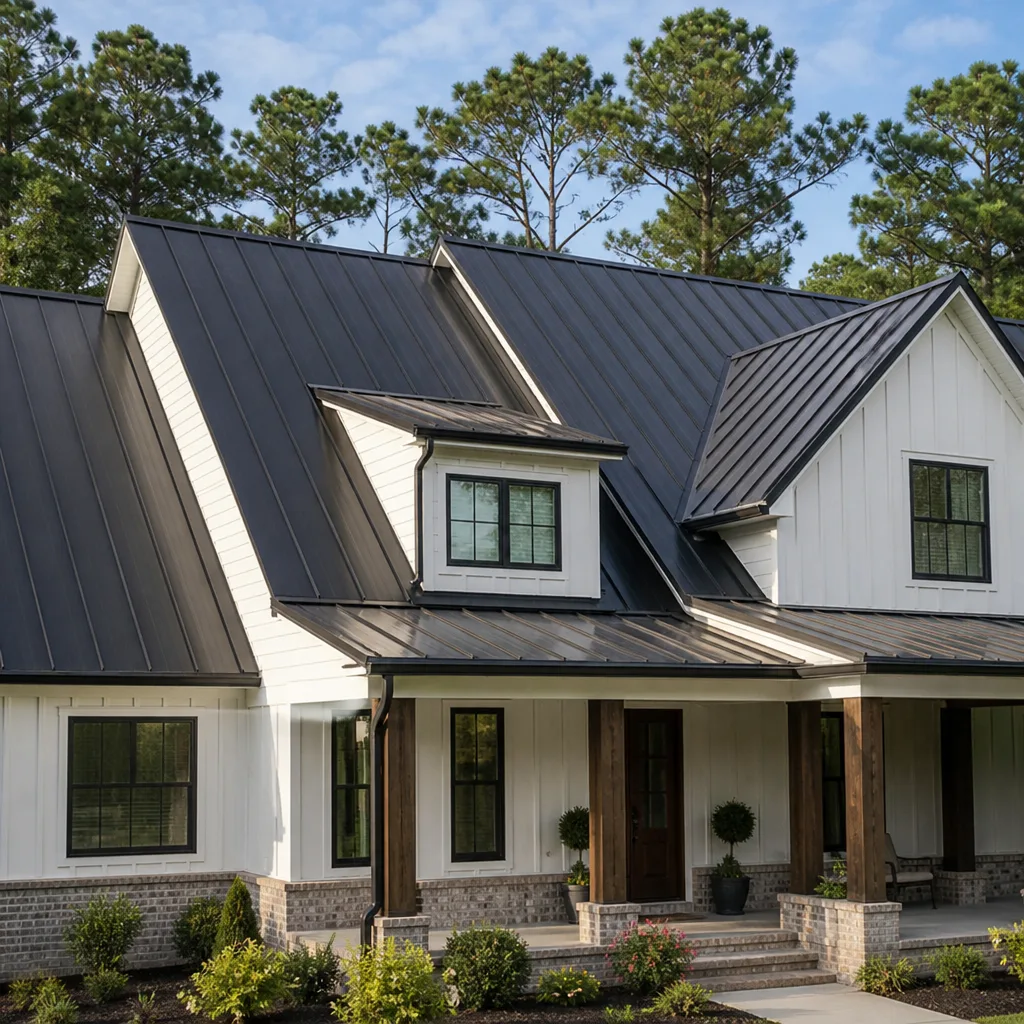 Metal roofing
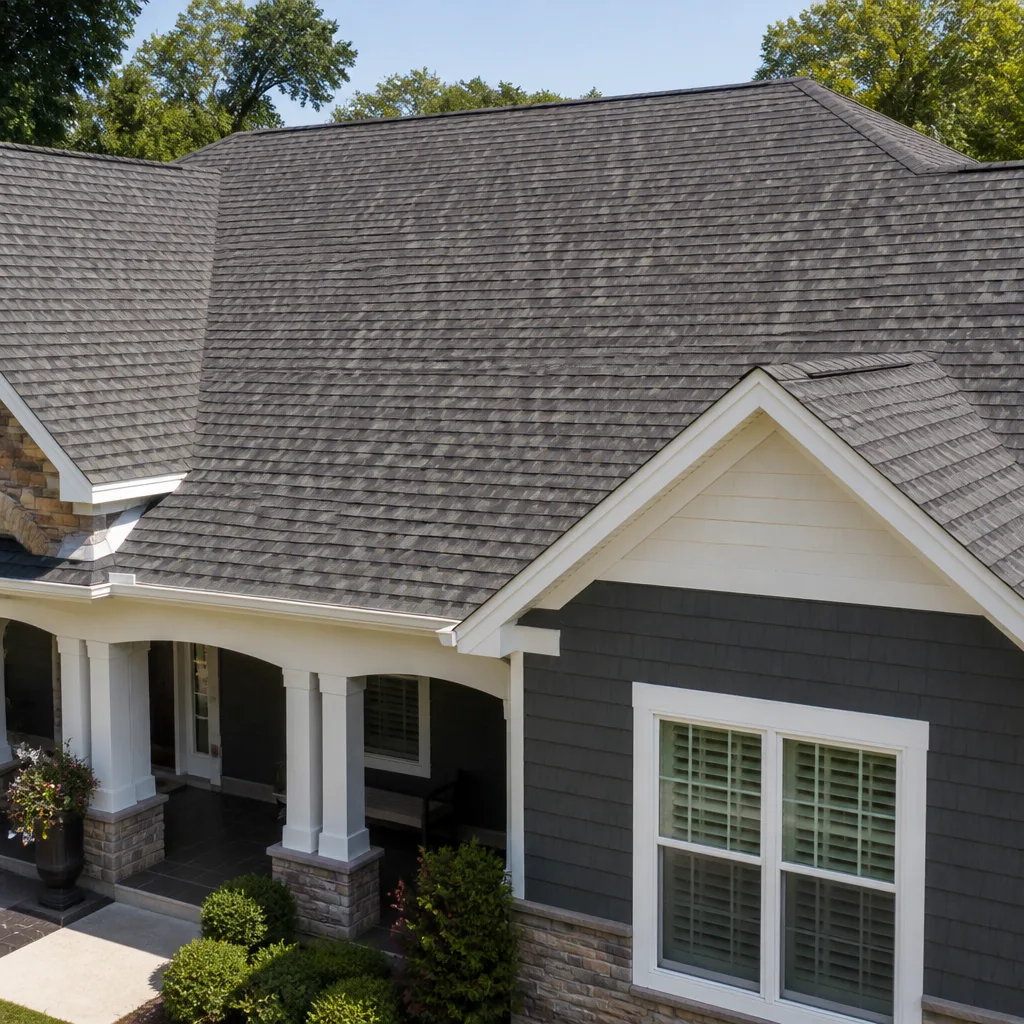 Architectural shingles
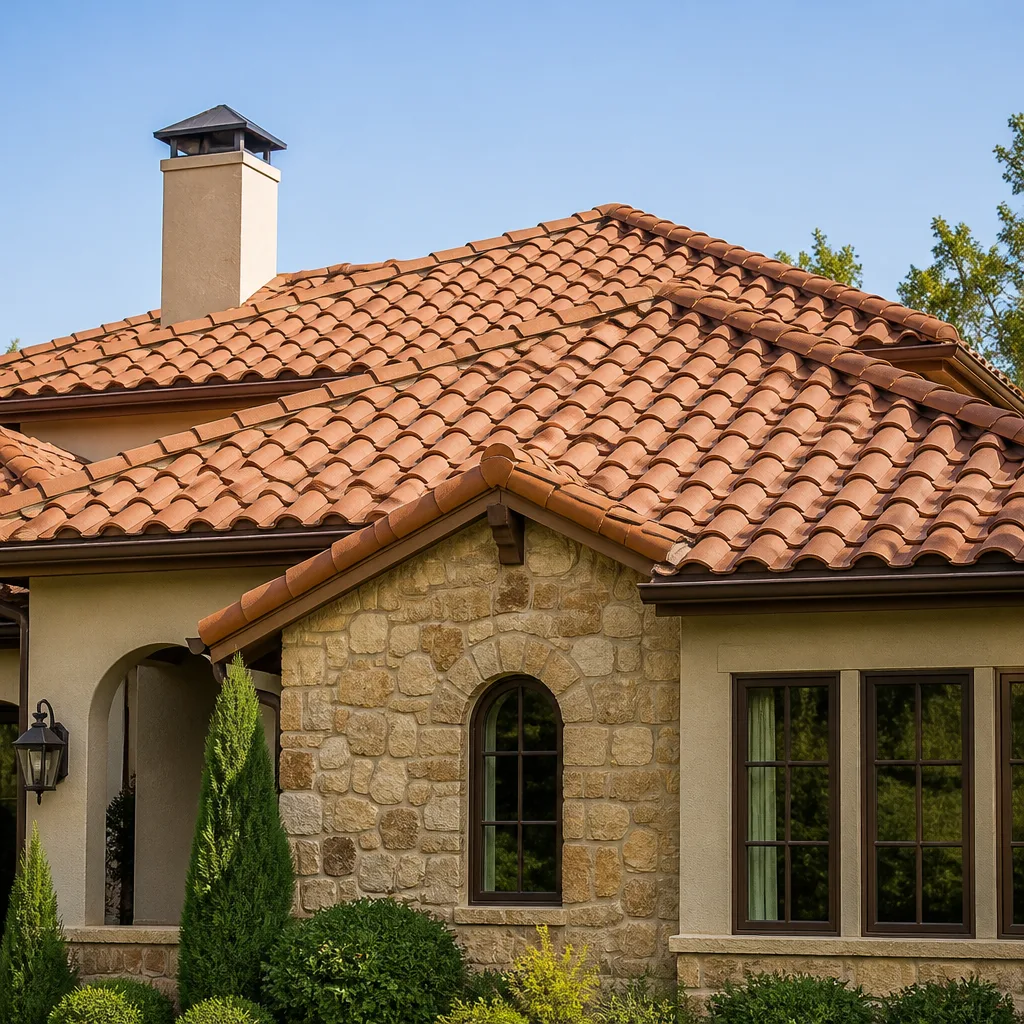 Tile roofing
 GAF
GAF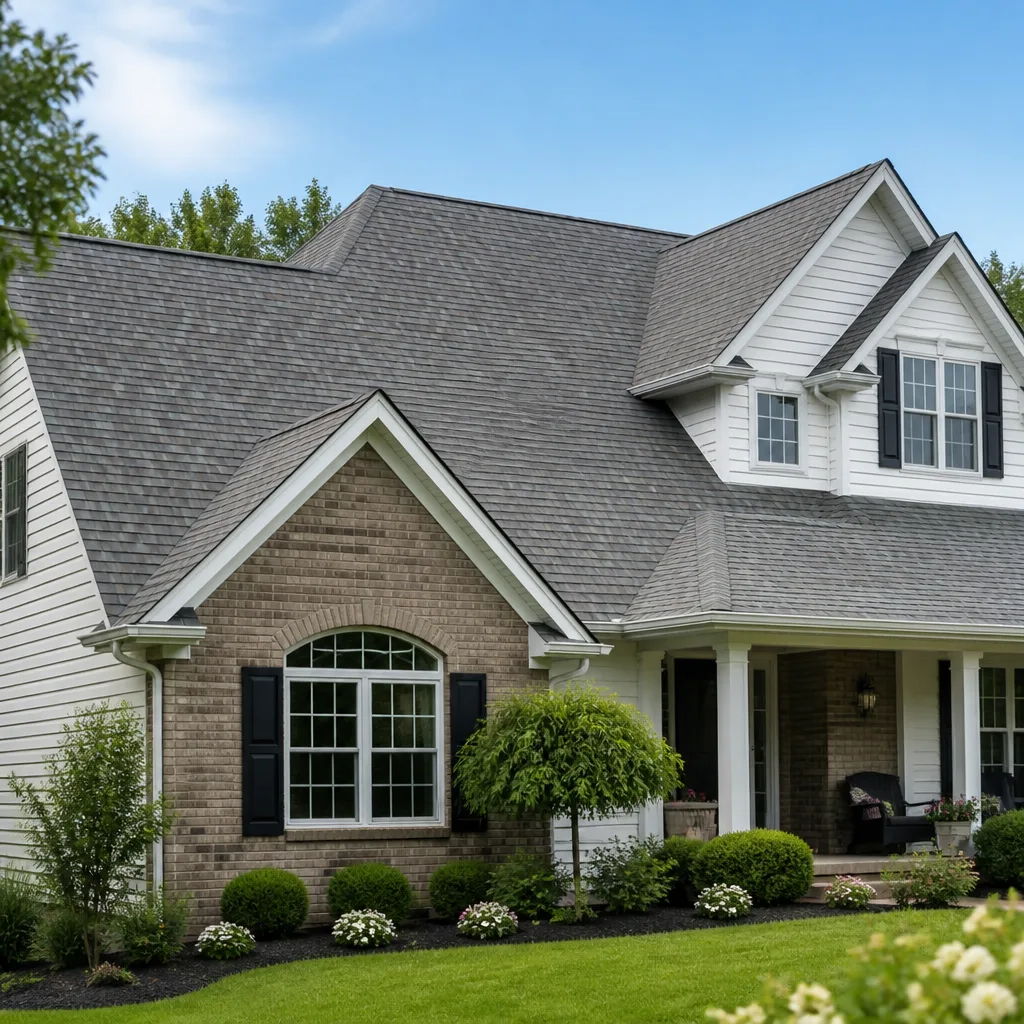 Owens Corning
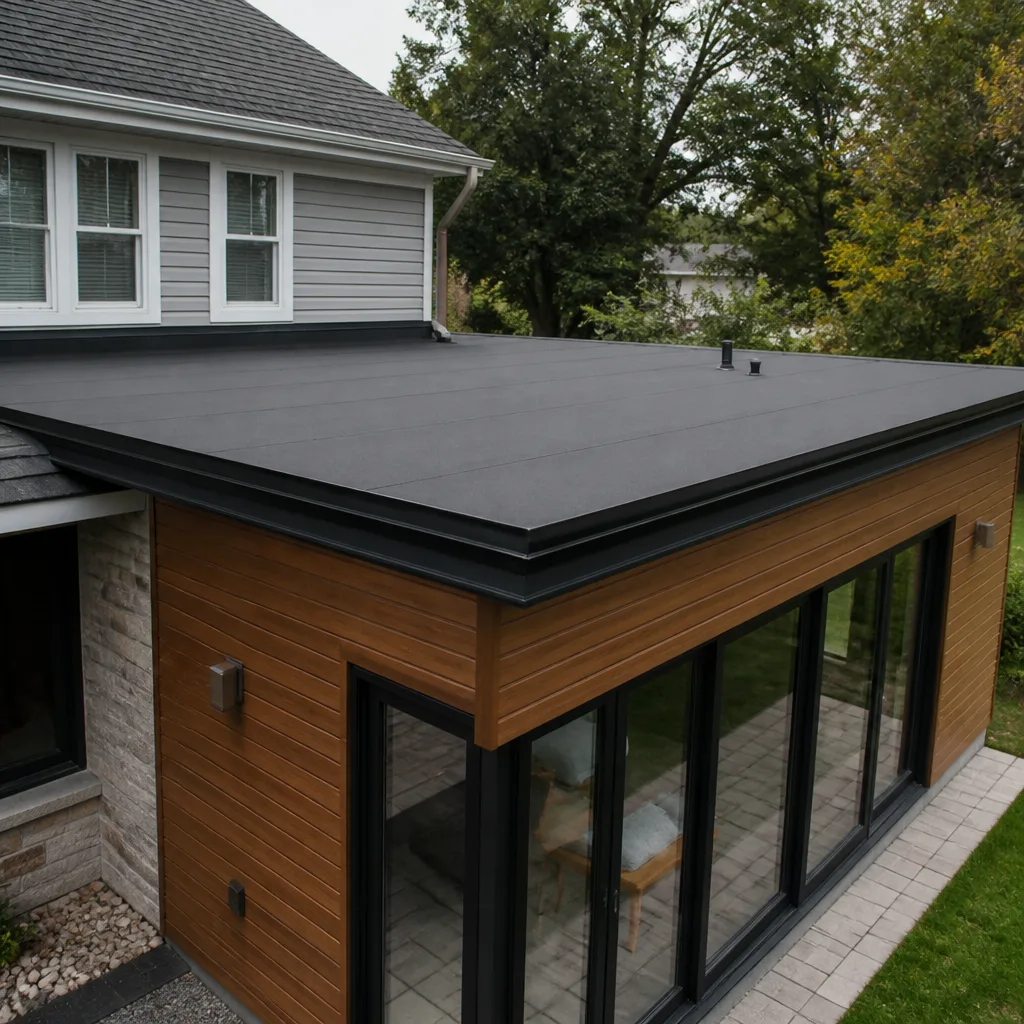 Flat & low-slope
Free roof inspection with deck photos before we talk money - GAF and Owens Corning certified installation
The Complete Guide to Roofing in Fort Worth
Fort Worth sits inside one of the most active hail corridors in the United States. Walk any block in Wedgwood, Arlington Heights, or North Richland Hills after a spring storm and you’ll see the evidence: dented gutters, pocked siding, and roofers’ yard signs multiplying by the hour. Most “complete roofing guides” published online were written for climates that rarely see a golf-ball-sized stone, which is why so many local homeowners end up with the wrong shingle class on their roof. This guide fixes that. We’re going to walk through every Fort Worth-specific factor that changes how you should think about your roof: the hail that pounds it, the clay soil that shifts under it, the HOAs that restrict what goes on it, and the permits that govern who touches it. By the end, you’ll know more about Fort Worth roofing than most contractors who knock on your door after a storm.
Quick Answer
Roofing in Fort Worth means choosing materials and contractors around three local realities: frequent large hail that demands Class 3 or Class 4 impact-resistant shingles, expansive clay soil that puts unusual stress on roof edges and decking, and a patchwork of HOA and city permit rules that can delay or derail a project if ignored. Most Fort Worth roofs last 15 – 22 years depending on shingle class, ventilation, and whether previous hail damage was fully addressed. The smart play is a written price before work starts, a contractor who pulls the right permit the first time, and impact-resistant materials your insurer will actually reward. For help choosing that contractor, see our How to Hire a Roofing Contractor in Fort Worth: A Step-by-Step Guide.
Styles & brands we work with
Table of Contents
- Why Fort Worth Hail is Different
- Clay Soil and Your Roof: What Moves When the Ground Does
- Class 3 vs. Class 4 Shingles: What Fort Worth Insurers Actually Discount
- Fort Worth HOA Overlay Rules: Hidden Restrictions on Your Roof
- City of Fort Worth Permits: Re-Roof vs. Repair
- Written Pricing and Photo Documentation: What Protects You
- Material Choices That Work in Fort Worth
- Common Mistakes to Avoid
Why Fort Worth Hail is Different
Fort Worth averages roughly 3 to 4 significant hail events per year, and the stones here aren’t pea-sized. Tarrant County regularly sees hail from 1 to 2 inches in diameter, with larger stones documented in major storm years. That matters because a standard three-tab asphalt shingle rated for impact resistance at just Class 1 or Class 2 will take meaningful damage from a 1.5-inch stone. We’ve inspected roofs in the Ridglea Hills area where homeowners filed two claims in four years because their builder-grade shingles simply couldn’t survive what Fort Worth skies dropped on them.
Here’s what most national guides get wrong: they treat hail damage as a one-time event. In Fort Worth, it’s cumulative. A shingle that takes a 1-inch hit in March may not leak that day, but the impact fractures the fiberglass mat underneath. Six weeks later, a 1.25-inch stone hits the same area and now you have a leak. By the time water reaches your ceiling, the damage is months old.
What this means for you:
- Get a roof inspection after any storm that produces hail over 1 inch, even if you don’t see damage from the ground.
- Document everything. Date-stamped photos of your roof, your gutters, your AC condenser, and your car. Insurance adjusters in Tarrant County process hundreds of claims per storm, and the homeowner with photos gets approved faster.
- Choose impact-resistant shingles rated Class 3 or Class 4. We’ll cover the cost difference below, but for Fort Worth homeowners it’s the single highest-leverage decision you can make.
At Birchbark Roofing Fort Worth, we work with GAF, CertainTeed, and Owens Corning products that are tested for exactly this kind of repeated impact. You can read more about what to expect from a local crew on our Birchbark Roofing Fort Worth home page.
Clay Soil and Your Roof: What Moves When the Ground Does
Most roofing guides never mention soil. That’s a mistake in Fort Worth, because Tarrant County sits on some of the most expansive clay soil in Texas. Expansive clay swells when wet and shrinks when dry. Through a Fort Worth summer, the ground under your foundation can move measurably between June and August, and again when fall rains return. That movement transfers upward through your walls and into your roof structure.
What we see in neighborhoods like Ryan Place and Mistletoe Heights is predictable: fascia boards pulling away from the roof edge, decking nails backing out, and drip edge that separates from the gutter line. None of these are shingle problems in the strict sense, but they create the conditions for edge failures, which are the most common roof failure point in this part of Texas.
When you’re writing a roofing contract in Fort Worth, specify these items explicitly:
- Re-nail or replace decking at the perimeter. The first four feet of roof decking takes the most movement stress.
- Inspect and re-secure drip edge and fascia. If the drip edge has separated, water gets behind the gutter and rots the fascia board over time.
- Verify attic ventilation. Clay soil movement can shift ridge vents and soffit vents out of alignment. A roof that can’t breathe fails early in Fort Worth’s heat.
- Check for nail pops along the entire roofline, not just the obvious spots. Expansive soil movement distributes stress unevenly, so pops can appear far from the visible edge damage.
These are exactly the items we document in writing before any work begins at Birchbark. If a contract doesn’t mention them, the crew may not touch them, and you’ll be back on the phone in three years with the same edge failure. For an in-depth look at how repairs address these issues, see our Roof Repair in Fort Worth page.
Class 3 vs. Class 4 Shingles: What Fort Worth Insurers Actually Discount
The difference between Class 3 and Class 4 impact-resistant shingles comes down to testing. UL 2218 is the standard: a steel ball dropped from a set height onto the shingle. Class 3 shingles withstand a 1.75-inch steel ball. Class 4 shingles withstand a 2-inch steel ball. In practice, that means a Class 4 shingle survives hailstones that would crack a Class 3, and a Class 3 survives stones that would destroy a standard Class 1 or 2 shingle.
For Fort Worth homeowners, the math has two parts: upfront cost and insurance savings. A Class 4 shingle upgrade on a typical 2,200-square-foot Fort Worth home runs between $1,200 and $2,800 more than a standard architectural shingle. But here’s the part most guides skip: many major insurers in Tarrant County offer premium discounts for Class 4 roofs, and some require Class 4 for new policies in high-claim ZIP codes. We’ve talked to homeowners in the 76116 and 76107 ZIP codes who saw 15% to 25% reductions in the wind/hail portion of their premium after upgrading. Over a 20-year roof lifespan, that’s real money back in your pocket.
Your move:
- Call your insurance agent before you replace your roof. Ask specifically: “What discount do you offer for UL 2218 Class 4 impact-resistant shingles?”
- Get the discount confirmation in writing or by email. Don’t accept a verbal estimate.
- Keep the shingle manufacturer’s impact-resistance documentation with your closing papers. You’ll need it when you file any future claim.
CertainTeed, GAF, and Owens Corning all manufacture Class 4 lines that perform well in the Fort Worth hail corridor. A contractor who only offers one shingle brand may not be giving you the full picture. At Birchbark Roofing, we’ll show you written pricing for multiple Class 4 options so you can compare cost against your specific insurance discount.
Fort Worth HOA Overlay Rules: Hidden Restrictions on Your Roof
Fort Worth doesn’t have a single citywide roof appearance code, but it has dozens of HOA overlay districts that effectively control what you can put on your roof. Neighborhoods like Montserrat, Bella Flora, and portions of Walsh Ranch have design review committees that must approve roof material, color, and sometimes even the contractor’s license status before a permit is issued.
This is the step that trips up more Fort Worth homeowners than any other. You sign a contract for a roof replacement, the crew shows up, and the HOA stops the job because the shingle color wasn’t pre-approved. Or the city rejects the permit because the HOA’s architectural review letter wasn’t attached. Now you’re paying for a crew that can’t work and a permit that’s in limbo.
How to handle HOA overlay rules correctly:
- Pull your HOA’s architectural guidelines before you get quotes. Look for the section on roofing. Note any required shingle colors, approved material types, or application deadlines.
- Submit your planned material and color to the design review committee before signing a contract. Some HOAs take 30 to 45 days to respond. Factor that into your timeline.
- Ask whether your contractor needs to be on an HOA-approved list. Certain subdivisions require proof of insurance and licensing filed directly with the HOA office.
- Get approval in writing. Email works. A text message from a board member does not.
- Determine scope. A full roof replacement almost always requires a re-roof permit. Isolated repairs may fall under a repair permit. When in doubt, call the city’s development services desk and describe the work honestly.
- Submit the application with contractor license information. The contractor’s name goes on the permit, not the homeowner’s.
- Schedule the required inspection. The city inspects at specific points: after old materials are removed, after underlayment is installed, and after the final shingle course is secured.
- Keep the permit and inspection sign-off on file. You’ll need them for insurance purposes and when you sell the home.
- The price is in dollars, not ranges. Not “between $8,000 and $12,000.” A written number: $9,650. You should see the exact number before anyone climbs a ladder.
- The scope is itemized. Decking replacement per sheet, underlayment type, flashing details, ventilation work, and the total. No blank line items that turn into change orders later.
- Change orders are explained before work continues. Sometimes a roof reveals hidden damage once the old shingles come off. That’s normal in Fort Worth, especially after hail events. The key is that you’re told what was found, what it costs, and you approve it in writing before the extra work happens.
- Ventilation matters as much as the shingle. A poorly ventilated attic shortens shingle life by years in Texas heat. If your contractor doesn’t discuss ventilation during the quote, ask why.
- Underlayment is not the place to save money. A synthetic underlayment costs a few hundred dollars more than felt paper and performs far better in high-heat, high-wind conditions.
- Lighter colors reflect heat. If your HOA allows it, a lighter shingle color can reduce attic temperatures by 10 to 15 degrees in August, which lowers cooling costs and extends shingle life.
- Choosing the lowest bid without comparing scope. A Fort Worth roofing bid that’s $3,000 lower than the others is almost always missing something: ventilation work, decking replacement allowance, or permit fees. Compare line items, not just totals.
- Skipping the post-storm inspection because “everything looks fine.” Hail damage to shingles is often invisible from the ground. By the time you see a leak, the damage has spread and your insurance window may have closed.
- Ignoring the HOA approval step. We covered this above, but it bears repeating. Getting a design review letter takes weeks in some Fort Worth neighborhoods. Start early.
- Letting the contractor choose the permit type without your knowledge. A repair permit on a re-roof job is the single most common cause of delayed insurance payouts we see in Tarrant County.
- Paying the full balance before the final inspection passes. In Fort Worth, the city’s final inspection sign-off is your protection that the roof was installed correctly. Don’t release final payment until that inspection is complete.
- Accepting a verbal price. If the number isn’t written down, it doesn’t exist. This is true everywhere, but in Fort Worth’s storm-driven roofing market, verbal quotes are how homeowners end up overpaying.
Birchbark Roofing has worked within HOA rules across Fort Worth, including historical districts where color palettes are tightly controlled. We’ll ask about your HOA on the first call and build the approval timeline into your project schedule so there are no surprises on install day.
City of Fort Worth Permits: Re-Roof vs. Repair
The City of Fort Worth building department draws a sharper line between re-roof permits and repair permits than most homeowners realize, and getting it wrong creates real problems. A re-roof permit is required when you’re replacing more than a set percentage of the roof surface in a 30-day period, or when the work involves structural changes to the roof deck. A repair permit covers smaller, isolated fixes: replacing a few shingles, repairing flashing around a vent, sealing a small leak area.
Why does it matter? Because insurance companies in Texas increasingly require proof of the correct permit before they release full payment on a claim. If your contractor pulled a repair permit for what was effectively a re-roof, the adjuster may flag the file, delay your payout, or reduce the settlement. We’ve seen this happen to Fort Worth homeowners after spring storm seasons, when contractors rush through permit paperwork to get to the next job.
The permit process in Fort Worth typically looks like this:
A contractor who tells you a permit isn’t needed for a full replacement is not doing you a favor. They’re saving themselves time and putting your insurance claim and future home sale at risk. For specific questions about Fort Worth repair permits and how they connect to storm damage claims, our roof repair guide covers the details.
Written Pricing and Photo Documentation: What Protects You
Half the horror stories we hear from Fort Worth homeowners aren’t about bad shingles. They’re about bad process: a verbal estimate that doubled by the time the job was done, a crew that left nails in the driveway, a contractor who disappeared after payment and never filed the final inspection. Every one of those failures could have been prevented with two simple practices: a written price before work starts and photo documentation during the job. Our Roofing Company Maintenance Checklist for Fort Worth Homeowners covers what to document and when.
Here’s what a written price actually means and why it matters in Fort Worth specifically:
Photo documentation protects you in a different way. Before a single shingle is removed, the crew should photograph your roof, your gutters, your landscaping around the house, and any pre-existing exterior damage. During tear-off, they should document any decking that needs replacement. After the job, they should photograph the completed roof and, critically, the clean-up. At Birchbark, our crews are required to send a photo of the completed clean-up before they leave the property. That means shoe covers at the door, drop cloths through the hallway, all debris cleared, and a picture to prove it. This is part of the roof replacement process we follow in Fort Worth, and it’s written into our Cedarwell Care Promise.
If a contractor won’t put the price in writing before the job starts, that’s not a pricing style. That’s a red flag.
Material Choices That Work in Fort Worth
Fort Worth’s climate is harder on roofs than most homeowners realize. We’re not just talking about hail. Summer attic temperatures in Tarrant County routinely hit 140°F or higher. UV exposure is relentless from May through September. And when the cold fronts come through in late fall, your roof material needs to handle rapid temperature swings that can crack brittle surfaces.
The materials that perform best in Fort Worth share three characteristics: high impact resistance, strong UV stability, and dimensional stability through temperature changes. That narrows the field considerably.
Asphalt shingles remain the most common choice in Fort Worth, and for good reason. A Class 4 architectural shingle from GAF, CertainTeed, or Owens Corning gives you strong hail protection at a moderate price point. Expect to pay $8,500 to $16,000 for a full replacement on a typical Fort Worth home, depending on size, pitch, and whether decking replacement is needed. Boral’s stone-coated steel lines offer a step up in durability and are increasingly common in higher-end Fort Worth neighborhoods like Mira Vista and Rivercrest, where homeowners want a roof that they’ll likely never replace again.
What we tell homeowners in Fort Worth:
Birchbark Roofing works with GAF, CertainTeed, and Owens Corning products as standard options, and we can source Boral stone-coated steel for homeowners who want maximum longevity. You’ll see your exact material options in the written price we provide before any work begins.
Common Mistakes to Avoid
In our experience working across Fort Worth, the same mistakes show up again and again. Here are the ones that cost homeowners the most, along with links to more guides & resources:
See the difference
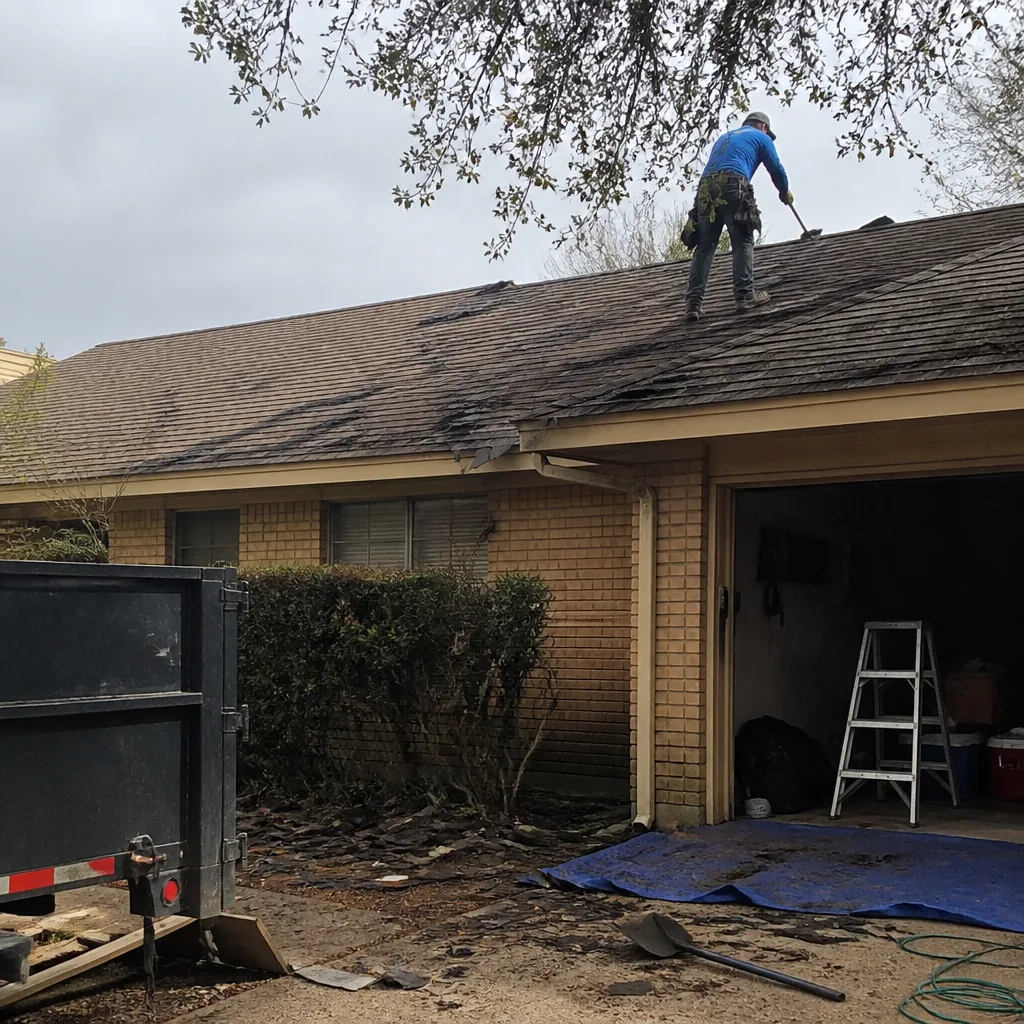 Before
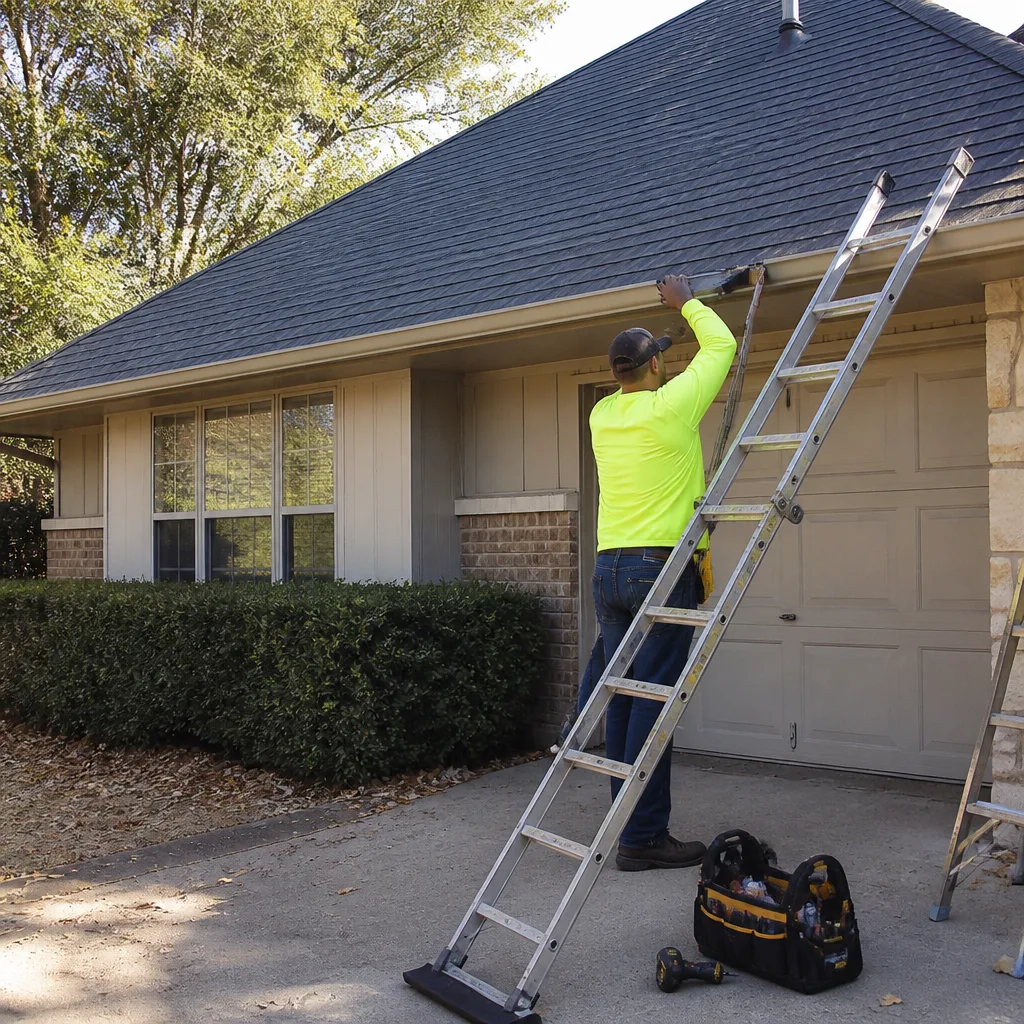 After
After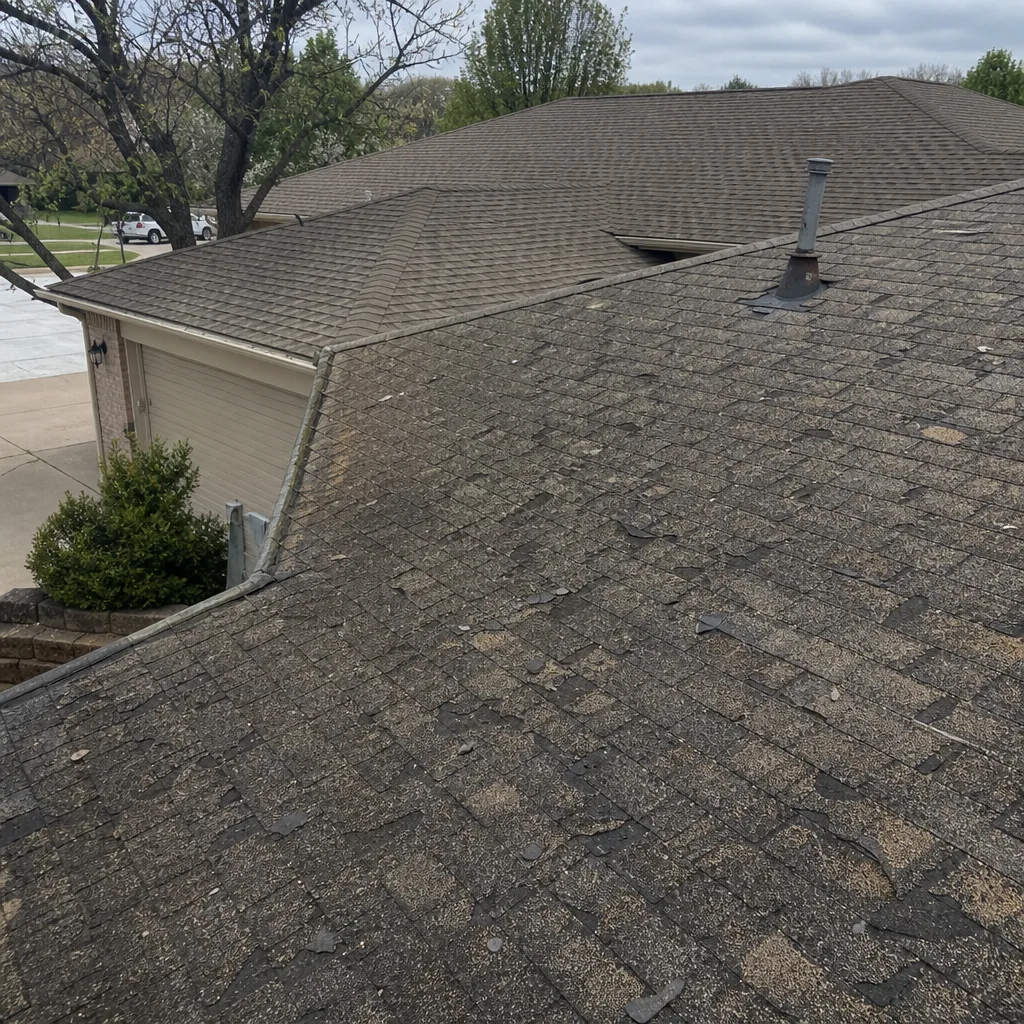 Before
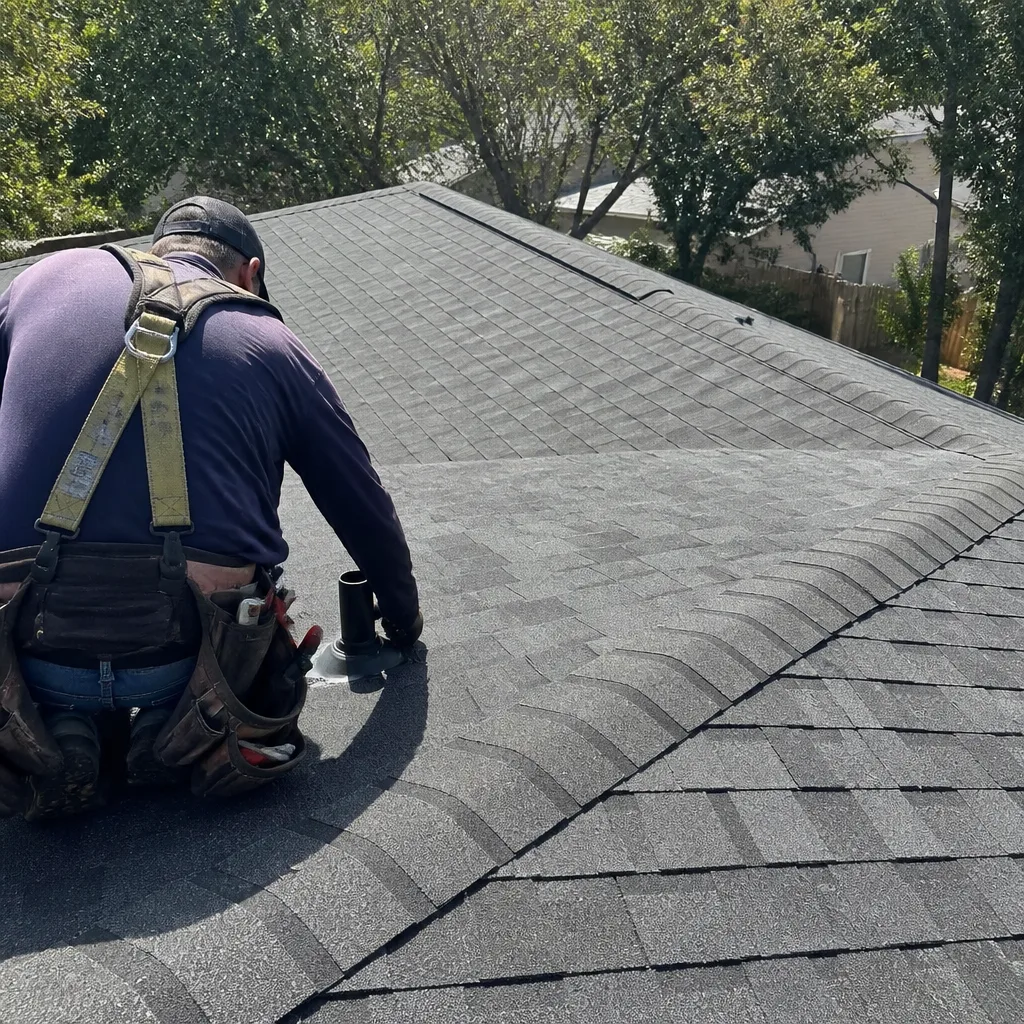 After
After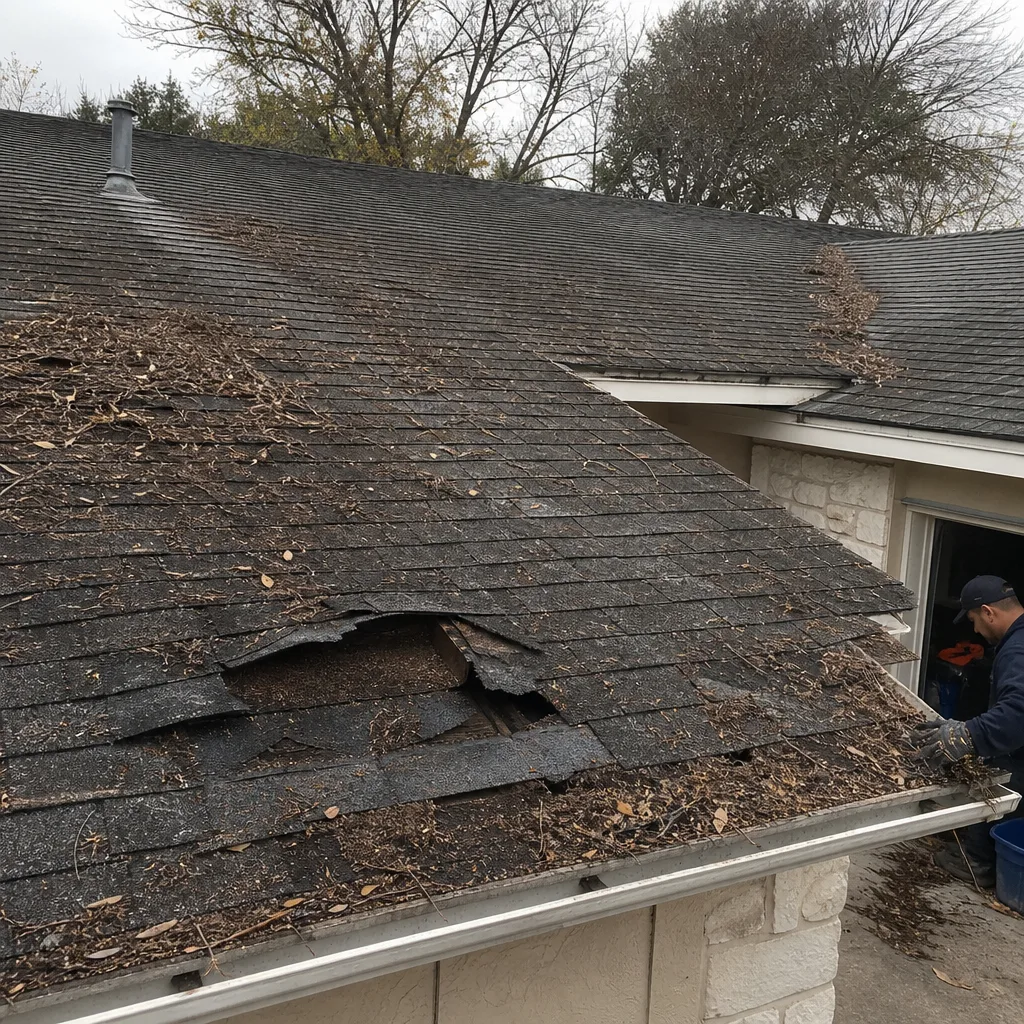 Before
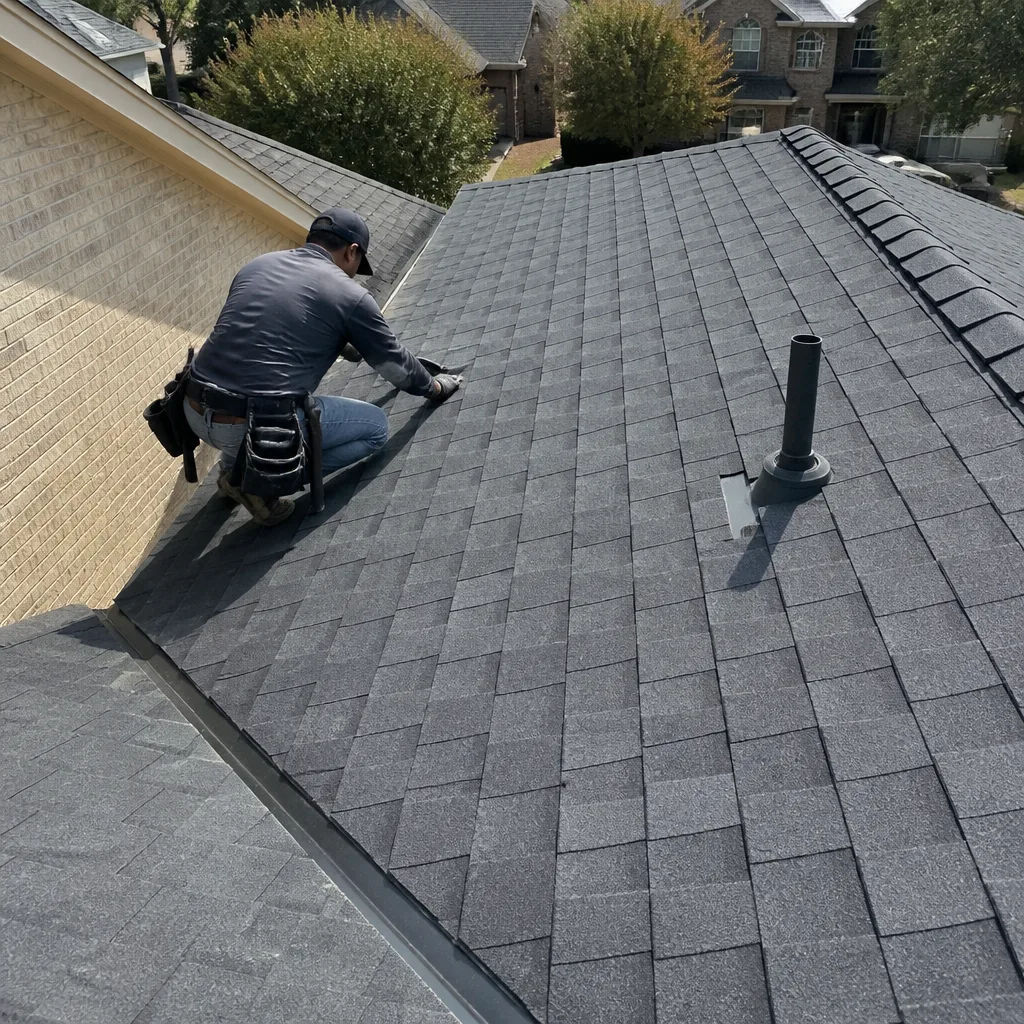 After
AfterWhen to Call a Professional
Some roofing issues are obvious: water coming through the ceiling, missing shingles after a storm, a sagging roofline. But Fort Worth homeowners should also call a professional in less dramatic situations. If you find shingle granules accumulating in your gutters, that’s a sign your roof is aging and may fail within a couple of seasons. If your attic feels hotter than it should in July, your ventilation may be compromised. If you’re buying or selling a home in Fort Worth, a pre-sale roof inspection can save you thousands in negotiation. And if it’s been more than three years since your last roof inspection in this hail corridor, it’s time. Birchbark Roofing Fort Worth offers free estimates in Fort Worth – call (682) 990-0964 to schedule yours. We’ll show you exactly what’s going on up there, in writing, with photos.
Frequently Asked Questions
A full roof replacement in Fort Worth typically runs between $8,500 and $16,000 for a standard architectural shingle roof on an average single-family home, with Class 4 impact-resistant upgrades adding $1,200 to $2,800. Your exact number depends on roof size, pitch, decking condition, and material choice. Birchbark Roofing provides a written price before any work starts, so you’ll know your exact cost, not a range. Call (682) 990-0964 for a free estimate.
In Fort Worth’s hail corridor, a standard architectural shingle roof lasts 15 to 20 years, while Class 4 impact-resistant shingles can last 20 to 25 years or more with proper ventilation. The biggest variable is hail exposure: a single severe storm can take years off a roof’s lifespan, which is why post-storm inspections are essential in Tarrant County.
Most Texas homeowners insurance policies cover hail damage, but your deductible and claim history matter. If the damage exceeds your deductible, filing a claim is usually worth it. Document everything with photos, get a professional inspection, and don’t sign a contract with a contractor who promises to “waive” your deductible – that’s illegal in Texas. Call (682) 990-0964 if you need help understanding what your insurance adjuster is telling you.
It depends on the scope. Minor repairs like replacing a few shingles or sealing flashing may not require a permit, but any work that replaces more than a defined percentage of the roof surface or involves structural changes needs a re-roof permit. When in doubt, the City of Fort Worth development services desk can clarify. Birchbark Roofing handles permit paperwork on every job where it’s required.
Yes. Many Fort Worth neighborhoods with HOA overlay rules have design review committees that must approve roof material and color before work begins. Some subdivisions also require contractors to be pre-approved by the HOA. Always check your HOA’s architectural guidelines before signing a roofing contract, and get any approval in writing.
A re-roof, or reroof, typically means installing new shingles over an existing single layer without a full tear-off, while a replacement involves removing all old roofing material down to the decking. Fort Worth building code generally allows reroofing only in specific circumstances, and a full replacement is usually the better long-term choice because it lets the contractor inspect decking for hail damage and clay-soil movement issues. A replacement also gives you a clean surface for your new warranty. Call (682) 990-0964 to talk through which option makes sense for your specific roof.
The Bottom Line
Your Fort Worth roof lives in a tougher environment than most of the country, and the decisions that matter here are different from what generic roofing guides tell you. Class 4 impact resistance pays for itself through insurance discounts and fewer claims. Clay soil demands that your contractor address edge failures and decking movement, not just slap on new shingles. HOA approvals and city permits need to be handled correctly the first time. And every single dollar should be in writing before the first nail is driven. Get those four things right, and your Fort Worth roof will hold through the next storm cycle. Get them wrong, and you’ll be back on the phone with a roofer before the next hailstorm clears. If you want a written price, a documented process, and a crew that cleans up like it’s their own home, call Birchbark Roofing Fort Worth at (682) 990-0964. We’ll walk the roof with you, explain what we see, and put it all in writing. No handshakes, no surprises.
Written by Erik Lindgren, Owner at Birchbark Roofing Fort Worth, serving Fort Worth since 2000.