
Last updated October 17, 2026
 Metal roofing
 Architectural shingles
 Tile roofing
 GAF
GAF Owens Corning
 Flat & low-slope
Free roof inspection with deck photos before we talk money - GAF and Owens Corning certified installation
Roofing Company Maintenance Checklist for Fort Worth Homeowners
A clogged valley channel after a North Texas hail storm doesn’t look like damage. It looks like a pile of leaves and twigs. But that pile can back water under your shingles within a single rain event, and by the time the stain shows on your ceiling, you’re paying for decking replacement instead of a debris sweep. Most maintenance checklists say “clean valleys” and move on without ever explaining why timing is everything in Fort Worth’s spring storm window. This guide ties every checklist item to a specific seasonal trigger in Fort Worth, tells you exactly what a finding means before you call anyone, and shows you how to build a dated record that protects your insurance claim if a storm ever hits. For more guides & resources, see our blog.
Quick Answer
A Fort Worth roof maintenance routine comes down to five seasonal checks: clear valleys and gutters before spring hail season, inspect for granule loss after every major storm, check attic ventilation in July heat, reseal flashing and pipe boots before November freezes, and photograph your roof from the ground after each season so you have a dated baseline record. Most homeowners can safely handle gutter clearing and visual ground inspections. Anything on the roof surface itself, or anything involving sealant or flashing, belongs with our Roofing Company services because a wrong step can void a manufacturer warranty.
Styles & brands we work with
Table of Contents
- Month-by-Month Trigger Calendar for Fort Worth
- How to Photograph Your Own Roof From the Ground
- The Five Places Granule Loss Concentrates First
- Homeowner Tasks vs. Tasks That Void a Warranty
- What a Written Maintenance Record Does for an Insurance Claim
- Common Mistakes to Avoid
- When to Call a Professional
- Frequently Asked Questions
Month-by-Month Trigger Calendar for Fort Worth
Fort Worth doesn’t have four gentle seasons. It has a long spring storm window from March through May, a furnace of a summer from June through August, a short and unpredictable fall, and winter snaps that can drop temperatures 40 degrees in a night. Each season stresses a roof differently, and the timing of your checks matters as much as the checks themselves. Here’s the calendar we use when we talk to homeowners about maintenance schedules.
March: Pre-Hail Season Prep
North Texas hail season runs from late March through May, peaking in April and May. Before the first supercell forms, walk your property and clear every valley channel, gutter run, and downspout outlet. If water can’t move through the valley system, hail and wind debris will meet standing water and force it sideways under the shingle course. Look at the roof repair needs common in Fort Worth after storms: most start with clogged drainage and end with interior water damage.
- Clear valleys where two roof planes meet. These are the natural drainage highways, and they’re the first place debris collects.
- Check downspout outlets for silt from winter rains. A downspout that drains onto grass creates soil splash-up that can rot the bottom of fascia boards over time.
- Photograph the entire roof from the ground at four points. You want a dated March baseline before the hail season starts.
- Note any shingle that looks lifted, curled, or out of plane. A shingle that’s already loose in March becomes a projectile in a 60 mph April gust.
July: Heat-Blister Check
Fort Worth regularly hits 100 degrees in July, and attic temperatures can reach 140+ degrees. That’s when you check for blistered shingles and verify attic ventilation is working. Blistering looks like small, dark, bubble-like spots on the shingle surface where the asphalt has actually boiled. If you see blisters from the ground or from a ladder at the eave, the granule layer has already failed, and the shingle’s protective UV layer is gone. That shingle is aging faster than its neighbors. In our experience in Fort Worth, blistered shingles on the west and south slopes are the most common, because those are the planes that take the full afternoon sun. A roofing company in Fort Worth can map the extent of blistering and tell you whether you’re looking at isolated cosmetic damage or a systemic ventilation failure that would shorten the entire roof’s life.
November: Freeze-Prep Walkaround
Fort Worth freezes are usually short, but a freeze-thaw cycle is harder on sealant and flashing than weeks of steady cold anywhere else. Water gets into tiny cracks around pipe boots and chimney flashing during a warm rain, then freezes and expands overnight. Every freeze-thaw cycle widens the crack. By late October, walk the perimeter and check every flashing point.
- Pipe boots: look for cracking or separation at the rubber collar. In Fort Worth’s intense UV, rubber pipe boots degrade faster than the shingles around them.
- Chimney flashing: check for lifted counterflashing or gaps where the chimney meets the roof plane.
- Skylights: look for haze or moisture between the panes and for any gaps in the trim seal.
- Drip edge: confirm the metal edge still sits tight against the fascia and no shingle tabs overhang the edge by more than 3/4 inch. Overhanging tabs crack in freeze-thaw conditions.
How to Photograph Your Own Roof From the Ground
You don’t need a drone, a ladder, or a professional camera. You need a dated photo set that shows the same views every season, so you and any roofer can flip back and see when a problem first appeared. This record is the single most useful thing a homeowner can create before any contractor visits, because it removes the “was this there before?” question from every conversation about a roof replacement in Fort Worth.
- Pick four standing points. Front yard facing the front slope, back yard facing the back slope, and one point on each side of the house. Mark them mentally or with a small stone or garden stake so you stand in the same spot every time.
- Use your phone’s zoom at 2x to 3x only. Digital zoom beyond 3x starts losing the detail you need. You want to see individual shingle tabs, not just the roof plane.
- Shoot in four directions from each point. One wide shot of the entire slope, one shot of each valley line, one shot along the gutter line, and one shot at the ridge line. That’s 16 photos per season, and the whole routine takes under 10 minutes.
- Name the file folders by season and year. “March 2026,” “July 2026,” “November 2026.” Don’t rename individual photos. The folder date is your timestamp.
- Open the last season’s folder before you shoot. Flip between the old photo and the new one while you’re still outside. The differences you can spot this way are the ones you’d miss comparing from memory.
These photos are your baseline record. They’re also the record a claims adjuster will take seriously. If a storm hits in April and you can show March photos of intact shingles and valley channels, plus July photos of new impact marks, you’ve dated the damage window to the storm season. That’s a much stronger position than saying “I think the hail did it.”
The Five Places Granule Loss Concentrates First
Shingle granules are the UV shield for the asphalt layer below. When granules wear away, the asphalt begins to dry, crack, and fail. Granule loss happens everywhere eventually, but on Fort Worth homes, it concentrates in five predictable places first. Knowing these five spots turns a vague “check for wear” into a targeted inspection you can do in one walk around the house.
1. Valley channels
Every rain event funnels water through the valleys, and water carries granules from both adjacent slopes. The first place you’ll see granule accumulation is inside the valley channel itself. If you look down the valley line and see broad bands of a different color than the surrounding shingle, that’s granule loss concentrated by water flow. It’s not just cosmetic. The shingles in the valley are doing double duty as drainage surface and weather barrier, and every granule gone from that zone is one less year of service.
2. The first row above gutters
Water sheets off the roof edge, and the first course of shingles takes that combined flow from the entire slope above. Granules wash off the eaves first, and they collect in the gutter. If you clean your gutters in March and find them full again in June with a sandy, gritty sediment, that sediment is granule loss, and it’s telling you the most exposed shingle course is shedding. A small amount is normal. A steady stream of grit in the gutter month after month is a sign the shingle surface is failing.
3. West and south facing slopes
Fort Worth’s afternoon sun is relentless, and west and south slopes get the worst of it. UV degrades the asphalt binder that holds granules in place, which is why those slopes typically show the first visible wear. Blistering shows up here first, too. If you’re going to spot-check granular wear from the ground, start by looking at the west slope with morning sunlight on it, when the low sun angle highlights texture differences.
4. Around pipe boots and vents
Every roof penetration is a break in the shingle plane, and water flows around it differently than it flows over open field shingles. The turbulence causes faster granule loss in a ring around each pipe boot and vent. Look for a halo of lighter-colored shingle around any roof penetration. If you see one, the seal at that penetration is your top maintenance priority, because the shingles around it are already thinner than the rest of the field.
5. The ridge cap line
Ridge caps sit at the highest point of the roof and take full wind exposure from every direction. In Fort Worth, ridge caps are also the first component a hail storm hits. Granule loss on the ridge line shows up as a lighter, speckled line running along the peak. If you can see granule loss on the ridge from the ground, the caps are closer to replacement than the field shingles. Ridge cap replacement is a smaller, less expensive job than a full re-roof, but only if you catch it early before water works down into the decking.
One more signal: the drain pattern in your gutters. When you clean them, run water through and watch the flow. A gutter that drains cleanly in ten seconds is moving water the way it should. A gutter that leaves a gritty trail behind the water is showing you the granule story of the slope above it.
Homeowner Tasks vs. Tasks That Void a Warranty
There’s a line between routine maintenance you can do safely from the ground or a stepladder, and work that belongs on a licensed roofer’s schedule. Cross that line and you’re not just risking your own safety. You may be voiding the manufacturer warranty on the shingles themselves. CertainTeed, Owens Corning, IKO, and Atlas all publish maintenance and installation requirements, and every one of them ties warranty coverage to work done by a qualified professional in the right conditions.
Safe for homeowners to do
- Gutter clearing. From a stable extension ladder or with a stand-off stabilizer. Never from the roof surface. If the ladder isn’t stable, hire it out. A fall costs more than the entire year’s maintenance budget.
- Ground-level photography. The photo routine described above is the single best maintenance habit a homeowner can build, and it costs nothing.
- Downspout flushing. Run a garden hose down the downspout from the ground to confirm water flows freely. If it backs up, the clog is in the elbow or the underground drain line, not the gutter.
- Attic ventilation check. Go into the attic on a July morning. If the air is still and 30 degrees hotter than the outside temperature, your ventilation is failing. Look for operational ridge or soffit vents, and check that insulation hasn’t been pushed over the soffit baffles. This is a safe interior check and it tells you more about roof health than most exterior observations.
- Soffit and fascia inspection from a stepladder. Look for peeling paint, soft spots, and animal entry points. Poke gently with a screwdriver at any discolored fascia area. If the wood gives, you’ve got moisture rot, and that’s a caller to fix, not a DIY task.
Leave to a licensed roofer
- Any work that requires walking on the roof surface. Shingles are fragile, and Fort Worth’s afternoon heat makes them more fragile. A single misstep on a hot July roof can crack a shingle, tear a seal, or void a warranty by compressing the granule layer.
- Sealant, flashing, and pipe boot work. These are the points where water gets in if they’re done wrong, and the manufacturer warranty generally requires professional installation compatible with the shingle type. Mixing the wrong sealant with the wrong shingle is a common and expensive error.
- Valley cleaning that requires roof access. If your valley channels aren’t reachable from a ladder at the eave, don’t walk the roof to get them. A roof repair service in Fort Worth with proper fall protection can do it safely in an hour.
- Anything after a major hail or wind event. After a storm, shingles can be cracked in ways you can’t see from the ground, and the roof surface may be unstable. Let a licensed roofer inspect it. This is also the time when your photographic baseline matters most: you can show the roofer the before photos and compare notes.
The high-tension risk here isn’t the shingles. It’s the fall. Roofs in Fort Worth are typically 6:12 or 7:12 pitch, and that’s steep enough to be fatal if you slip. We don’t recommend any homeowner climb onto the roof surface for any reason. The maintenance list above is designed to be done entirely from the ground, a stepladder, or inside the attic, and those tasks cover more than 90% of what a residential roof needs in an average year.
What a Written Maintenance Record Does for an Insurance Claim
When a hail storm or wind event damages your roof, the insurance adjuster’s first question is always the same: was the damage from the storm, or from neglect? The answer determines whether your claim gets paid or denied, and it usually comes down to what you can document. A written maintenance record, supported by dated photos, is the difference between proving you maintained the roof and hoping the adjuster believes you.
Here’s what a strong maintenance record includes:
- Date and scope of every maintenance activity. “March 14, 2026: cleared valley channels and gutters, flushed downspouts, photographed roof from four points.” Not a paragraph. One line per activity.
- The photo set for that date. Fifteen to twenty photos, filed by season and year, showing the same four standing points each time.
- Any contractor visit, invoice, or repair. Every quote, every paid invoice, every warranty document. If a roofer came out and said “small crack in the pipe boot, seal it before freeze season” and you did, that’s your proof of routine care when a later storm tears that same area open.
- Receipts for materials. If you bought sealant, matching shingles, or gutter hardware, keep the receipt with the record. Adjusters respond to paperwork.
We’ve seen both sides of this in Fort Worth. A homeowner with three years of dated photos and clean maintenance notes will usually get a storm claim processed without prolonged negotiation. The adjuster sees a pattern of care and moves to the damage question. A homeowner with no record is asking the adjuster to assume the roof was maintained, and adjusters aren’t paid to assume. They’re paid to determine coverage, and an undocumented roof is an easier denial.
Your maintenance record doesn’t need to be complicated. A folder on your phone with the seasonal photo sets, plus a single note file with one line per maintenance activity, is a complete system. What matters is that it’s dated, continuous, and available when the adjuster asks.
Common Mistakes to Avoid
- Cleaning gutters from the roof surface. Every footstep on a hot Fort Worth shingle roof compresses granules and risks cracking the very surface you’re trying to protect. Use a ladder with a stand-off stabilizer, or hire it out.
- Ignoring the granule trail in the gutter. Grit in the gutter isn’t something to sweep into a yard bag and forget. It’s a wear signal from the shingles above, and the pattern tells you which slope is aging faster. If you see steady grit month after month, call a roofer for an inspection.
- Waiting until fall to check flashing. Fort Worth’s freeze-thaw cycles start as early as November, and a pipe boot that fails in a February ice storm has all winter and spring to leak. Check flashing and boots before Thanksgiving, not after.
- Deferring valley cleaning because “it’s just leaves.” A clogged valley is a standing water event waiting for the next rain. In Fort Worth’s spring storm window, that means water backing under shingles within a single storm. Clear valleys in March, before the first supercell, not after the first ceiling stain.
- Assuming a warranty covers maintenance failures. A manufacturer defect is covered. A shingle that failed because the valley above it sat clogged for six months is a maintenance failure, and no manufacturer warranty covers that. Neither does a homeowner’s insurance policy.
- Doing sealant work with the wrong product. Not all sealants are compatible with all shingles, and the wrong chemistry can cause the shingle to degrade faster than the leak ever would have. If the fix involves sealant, flashing, or pipe boots, it’s a licensed roofer’s call.
- Not filing photos by date. A camera roll full of roof photos with no folder structure is phone clutter, not a maintenance record. Organize by season and year when you take the photos, not when you need them.
When to Call a Professional
Call a professional roofer when you spot any of these: granule loss concentrated in valley channels or around pipe boots, a shingle that’s lifted or out of plane, a stain on the ceiling or in the attic, a pipe boot that’s cracked or separated, or a roof you haven’t photographed and inspected in more than a season. These are not “wait and see” situations. Each one gets more expensive the longer it’s left alone, and Fort Worth’s weather doesn’t give grace periods. Birchbark Roofing Fort Worth offers free estimates in Fort Worth, and every estimate includes a written price before any work starts. Call (682) 990-0964 to schedule a walkthrough.
Frequently Asked Questions
Three times a year: March before hail season, July during peak heat, and November before freeze season. These checks don’t require climbing on the roof. They’re ground-level visual inspections, gutter clearing, and attic ventilation checks that take under an hour each. The schedule tracks Fort Worth’s actual weather threats rather than a generic “spring and fall” routine that misses the July heat-blister window and the February freeze-thaw cycle. Call (682) 990-0964 if any check turns up something you can’t identify.
From the ground, hail damage on Fort Worth roofs typically shows as fresh, dark spots or circular marks on shingles where granules were knocked off, often concentrated on the west and south slopes that face incoming storms. You may also see dents in metal flashing, gutter damage, or a sudden granule trail in the gutter. A ground inspection won’t reveal every impact point; the shingle may be cracked but still lying flat, which is invisible from the ground. If you suspect hail, call a licensed roofer for a full inspection. Estimates are free at (682) 990-0964.
Yes, if you stick to ground-level and ladder-level tasks: gutter clearing, downspout flushing, ground photography, attic ventilation checks, and soffit inspection. Any work that requires walking on the roof surface or touching sealant, flashing, or pipe boots should be left to a licensed roofer. Walking on a hot Fort Worth roof compresses granules and can crack shingles, and manufacturer warranties from brands like CertainTeed and Owens Corning require certain work to be done by qualified professionals. When in doubt, call before you climb.
Routine maintenance that a homeowner does themselves costs little: a ladder, a garden hose, and your phone camera. Professional maintenance visits in Fort Worth, including gutter clearing, valley cleaning, and a visual inspection, typically run in the $200 to $400 range depending on roof size and access; see our Roofing Cost Breakdown: The Fort Worth Homeowner’s Reference for 2026 for deeper pricing context. Specific repairs like pipe boot sealing or flashing work are priced in writing before any work starts. Call (682) 990-0964 for an exact quote based on your roof; estimates are free and come with a written price.
In Fort Worth’s weather, an asphalt shingle roof typically lasts 15 to 20 years with routine maintenance, with well-maintained premium shingles from brands like Owens Corning and IKO reaching the upper end of that range. The wild cards are hail storms, which can shorten a roof’s life in one afternoon, and chronic ventilation problems, which age a roof from the inside out. The month-by-month maintenance routine in this guide targets the factors you can control: keeping water moving through valley channels, catching granule loss early, and maintaining attic airflow.
A written maintenance record proves to an insurance adjuster that your roof was maintained, not neglected, when a storm damage claim lands on their desk. The record doesn’t need to be complex: dated photo sets filed by season, plus one line per maintenance activity, is enough to paint a pattern of care. Adjusters respond to paperwork, and a homeowner with three years of documented maintenance has a much stronger claim position than one with a memory and a hope. Start the record before the storm, not after.
The Bottom Line
Roof maintenance in Fort Worth is a seasonal habit, not a one-time project. The calendar is simple: clear valleys in March, check for heat blistering in July, reseal flashing points in November, and photograph the roof from the ground every season. Homeowners who build a dated photo record and keep it current are the ones who get storm claims processed cleanly and roof repairs scheduled before water finds the ceiling. The homeowners who wait until a visible problem shows up from the street are the ones who pay for decking replacement instead of gutter clearing. Roofing done carefully, from tear-off to clean-up, starts with a homeowner who checks on schedule. That homeowner is the one a claims adjuster and a Birchbark Roofing Fort Worth home inspection both take seriously.
Written by Erik Lindgren, Owner at Birchbark Roofing Fort Worth, serving Fort Worth since 2000.
See the difference
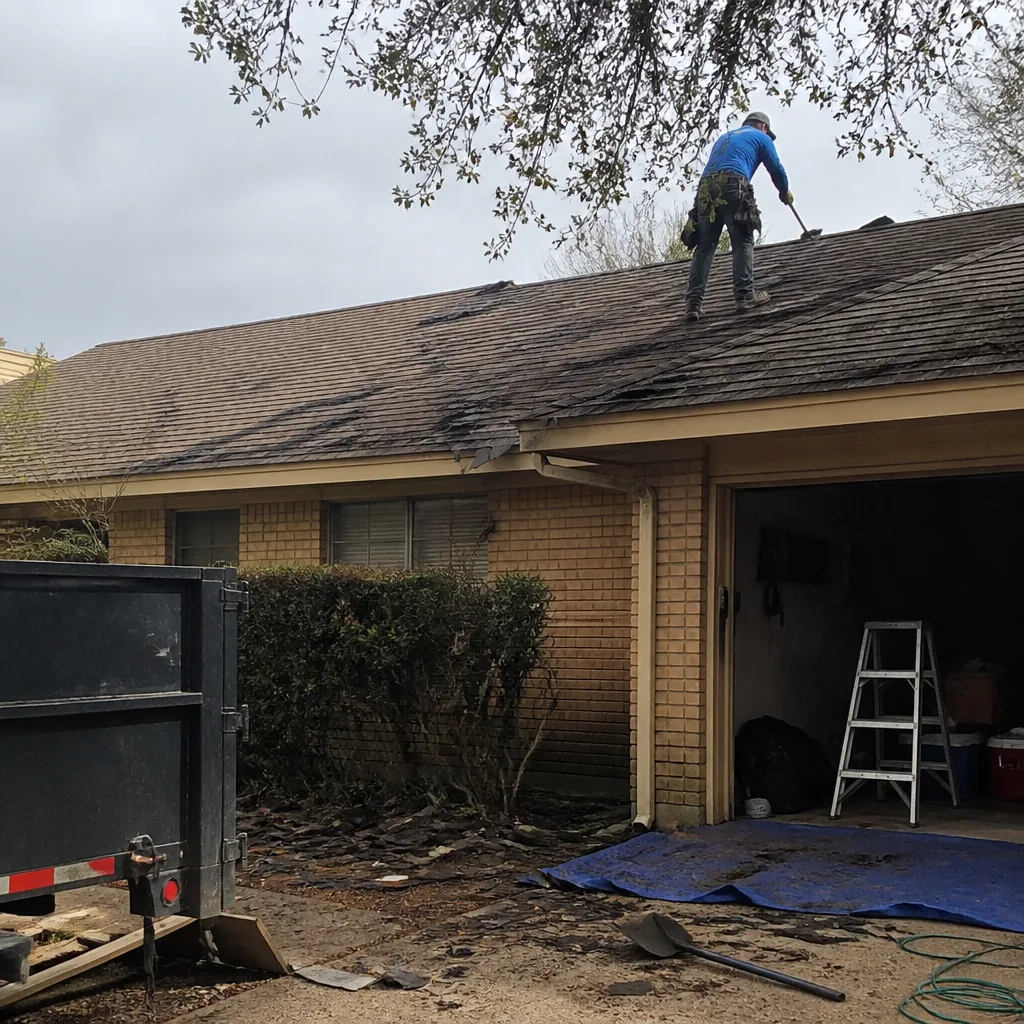 Before
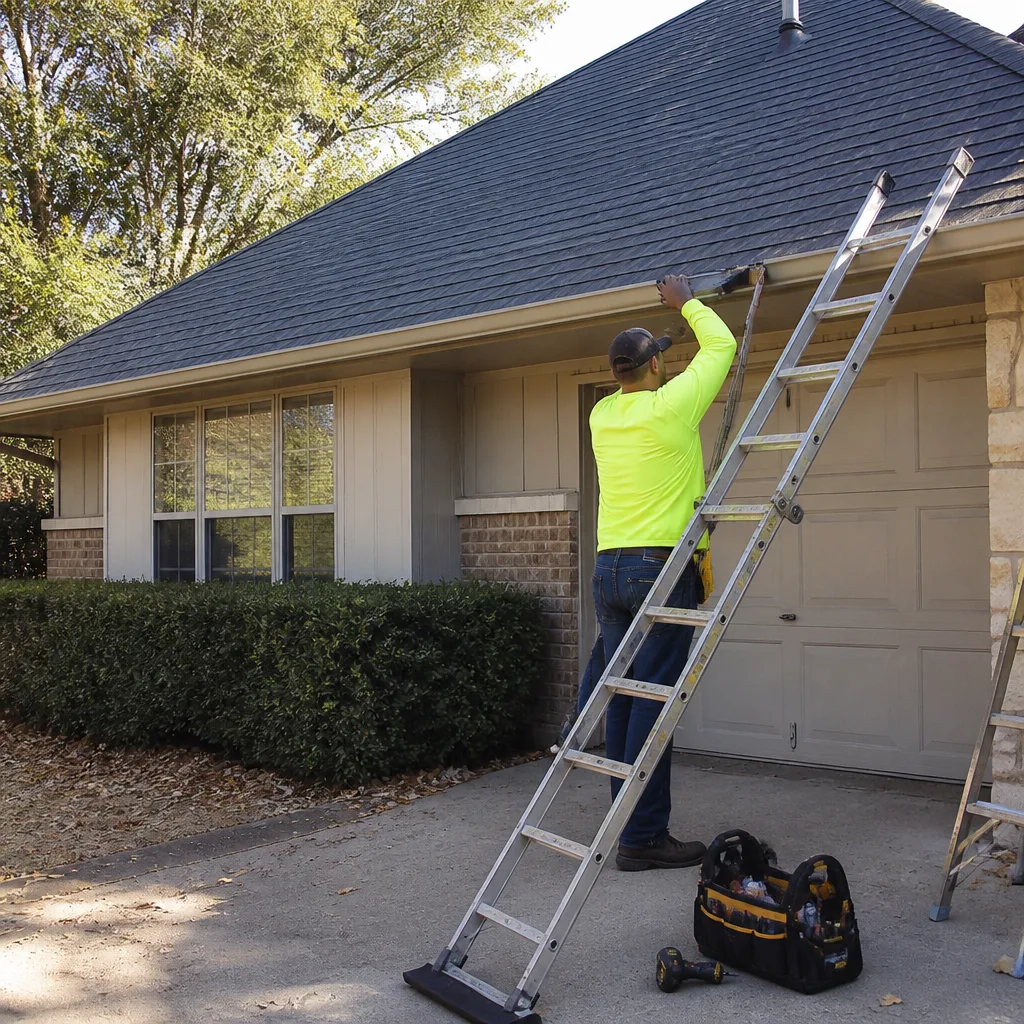 After
After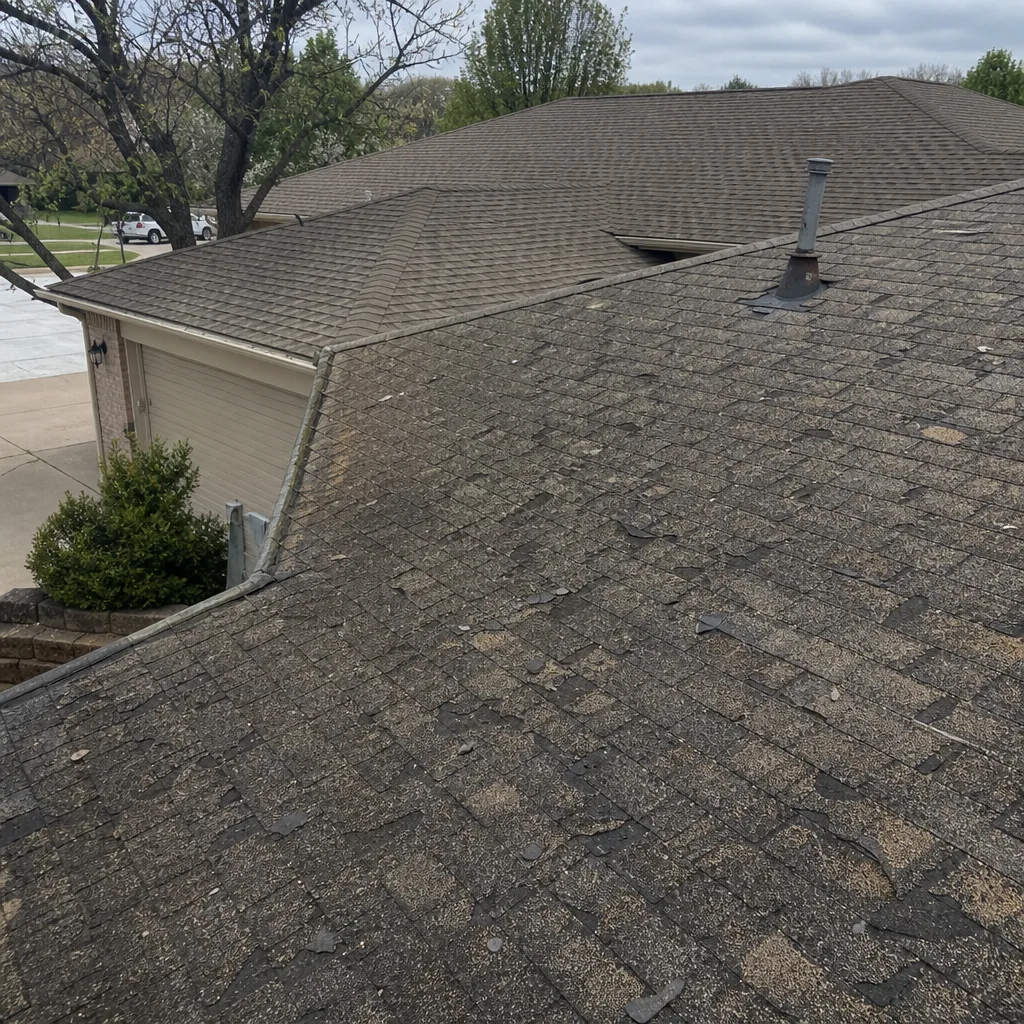 Before
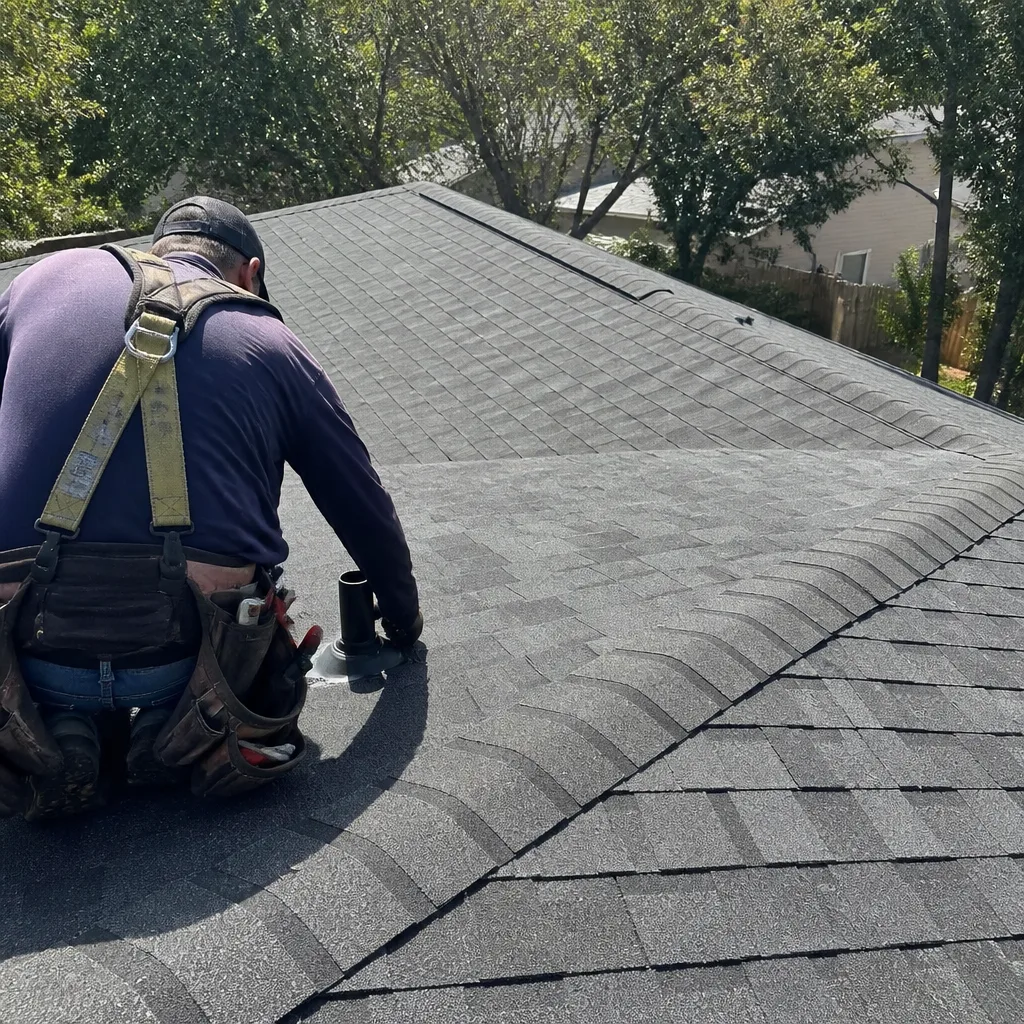 After
After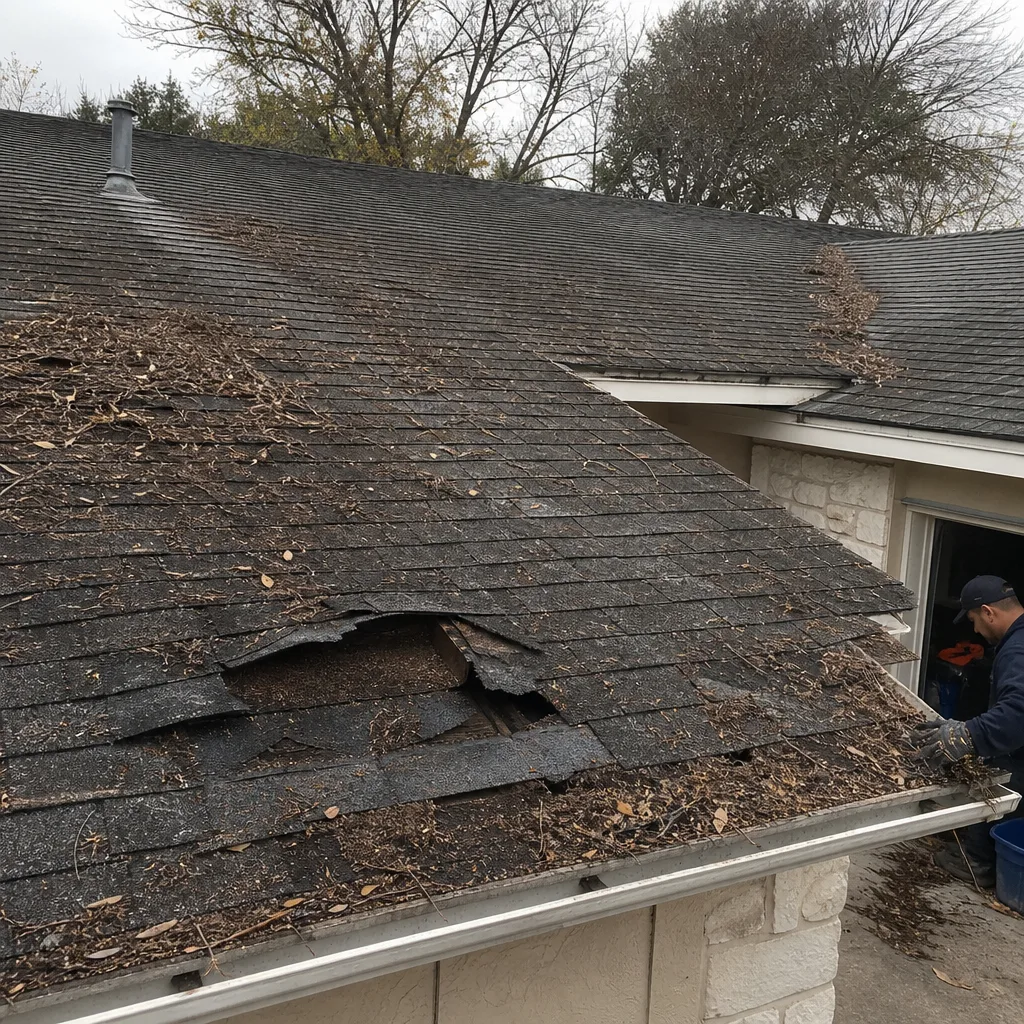 Before
 After
After