
Last updated October 17, 2026
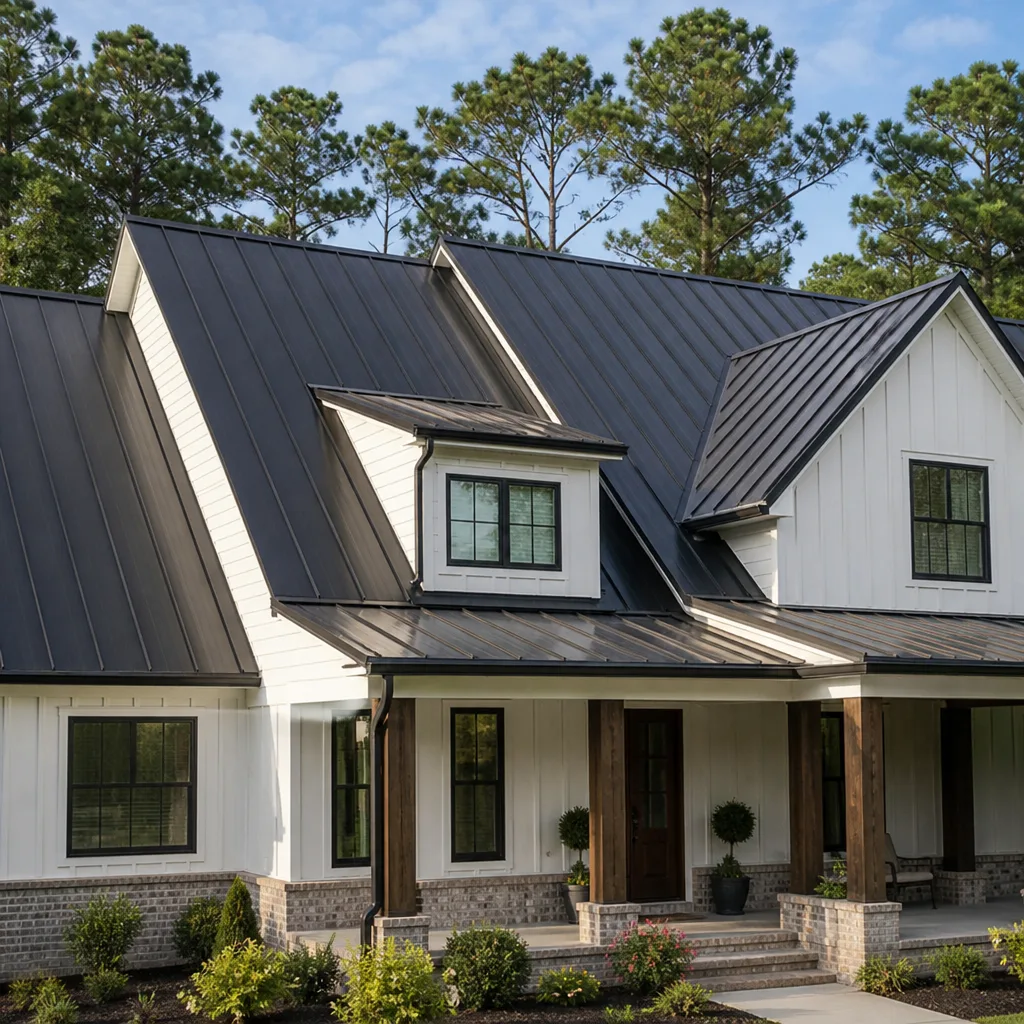 Metal roofing
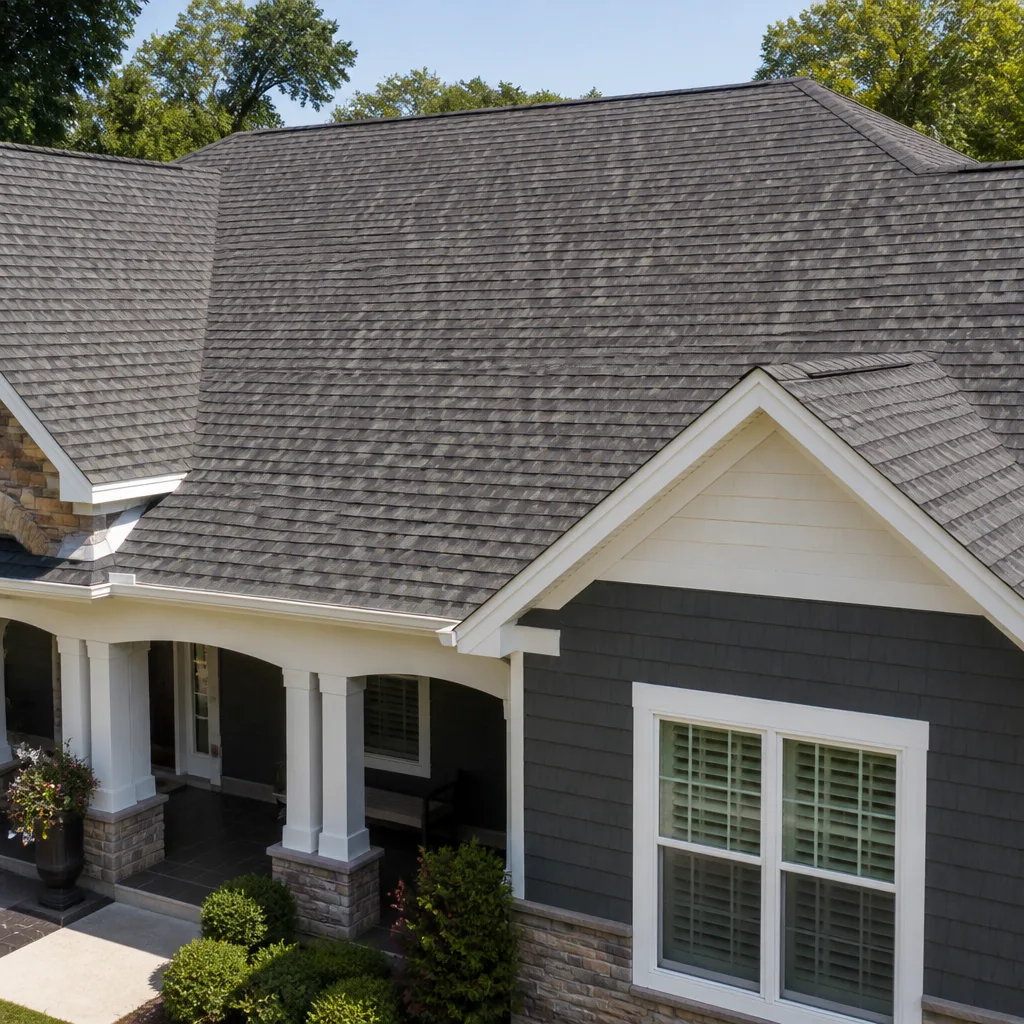 Architectural shingles
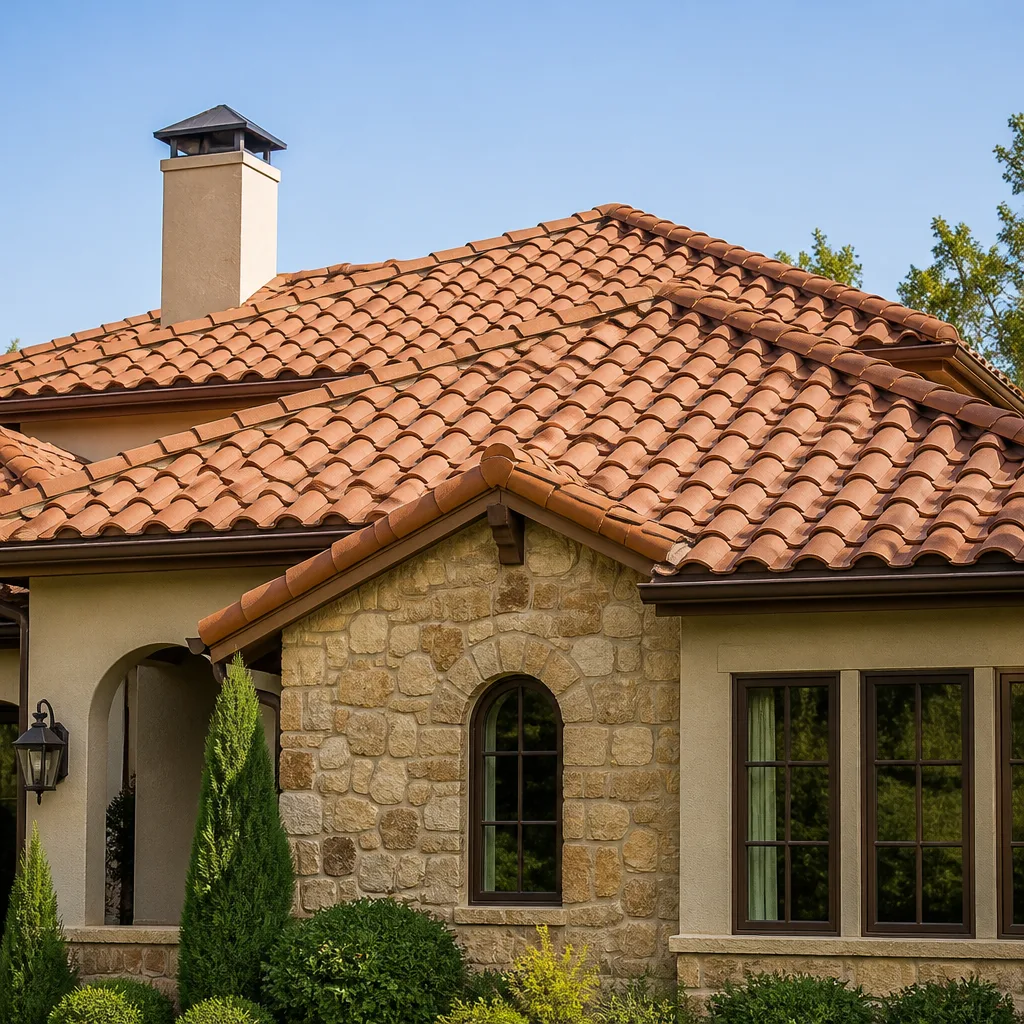 Tile roofing
 GAF
GAF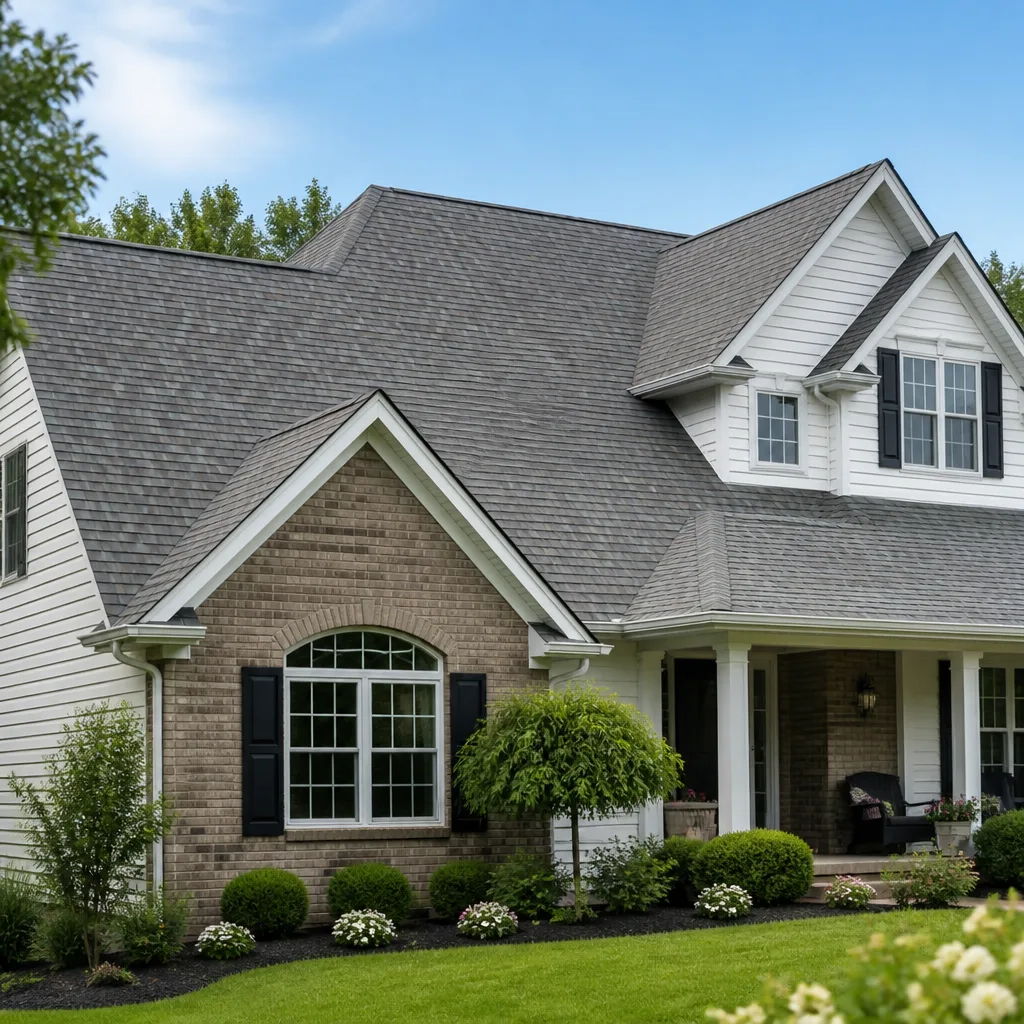 Owens Corning
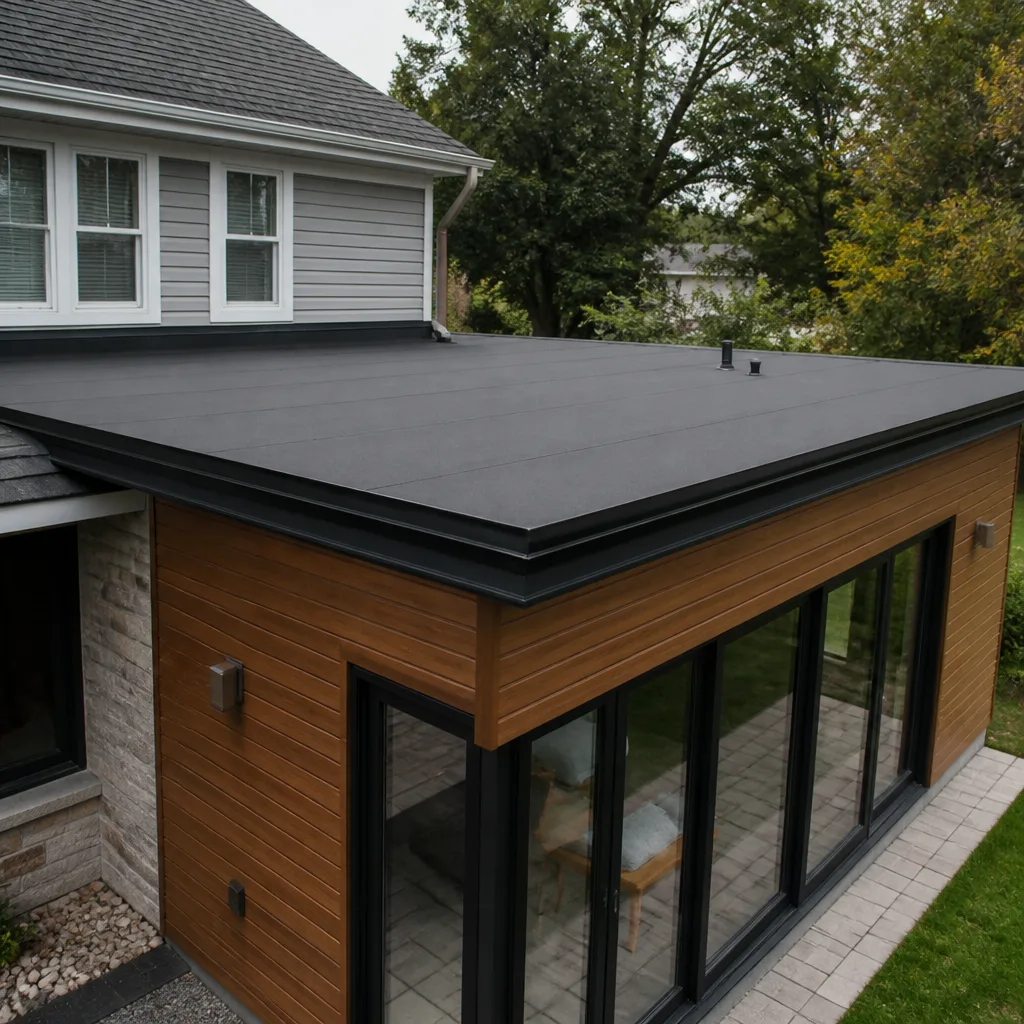 Flat & low-slope
Free roof inspection with deck photos before we talk money - GAF and Owens Corning certified installation
How to Hire a Roofing Contractor in Fort Worth: A Step-by-Step Guide
After the April 2023 hail storms, the Better Business Bureau of Fort Worth tracked more than 40 roofing contractor complaints filed within 90 days, nearly all from homeowners who signed a contract within 48 hours of the storm, before they had verified a single credential. That number tells you exactly how most bad roofing hires happen in Fort Worth: not through careful comparison, but through adrenaline after a storm knocks shingles into your yard. This guide walks you through the full vetting sequence we recommend to our own neighbors in Fort Worth, from the first knock on the door to the final walkthrough, so you hire someone who will still answer the phone six months after the job is done. For more guides & resources, visit our blog.
Quick Answer
Hiring a roofing contractor in Fort Worth comes down to five steps: verify the Texas license and insurance certificate, check Tarrant County business registration, insist on a written price in dollars before any work starts, ask about crew composition and clean-up accountability, and never sign a contract before your insurance adjuster has inspected the damage. A professional contractor will walk you through every one of these steps without pressure. If any step feels rushed, that’s your signal to slow down.
Styles & brands we work with
Table of Contents
- Step 1: Verify the License, Insurance Certificate, and Local Registration in Under 15 Minutes
- Step 2: Understand the Difference Between a Written Price and a Handshake Estimate
- Step 3: The Four Contract Clauses That Protect You, and What Each One Actually Prevents
- Step 4: Why the Contractor’s Warranty Matters More Than the Manufacturer’s Warranty
- Step 5: Red Flags Specific to Post-Storm Door-to-Door Solicitation in Fort Worth
- Step 6: Questions to Ask About Crew Composition, Clean-Up, and Pet Safety
- Step 7: Fort Worth-Specific Roofing Context: Climate, Code, and Market Realities
- Step 8: Your Final Pre-Sign Checklist
Step 1: Verify the License, Insurance Certificate, and Local Registration in Under 15 Minutes
Texas does not require a state-issued roofing license the way some states do, which surprises a lot of Fort Worth homeowners. What Texas does require is registration and insurance, and checking both takes less time than watching a single YouTube video about shingle granule loss. Here’s the exact sequence we recommend, using free state tools.
First, check the Texas Department of Licensing and Regulation (TDLR) website. Any roofing contractor operating legally in Fort Worth must carry a TDLR registration for roofing work. You can search by company name or owner name, and the database will show you whether the registration is active, when it expires, and whether any enforcement actions are pending. Do this before you let anyone climb a ladder onto your roof.
Second, request a certificate of insurance directly from the contractor’s insurance agent, not from the contractor. A reputable roofer will happily give you the agent’s contact information so you can confirm the policy is active. The certificate should show general liability coverage of at least $1 million, and if the crew will be on your roof, workers’ compensation coverage matters more than liability. If a worker falls off your roof and the contractor doesn’t carry workers’ comp, your homeowners insurance can be dragged into the claim.
Third, check the Tarrant County assumed name records. Any business operating under a name different from the owner’s legal name must file an assumed name certificate (also called a DBA) with the Tarrant County Clerk. This tells you who actually owns the company behind the logo on the truck. A contractor who hasn’t filed one is either brand new or operating informally, and neither is a position you want your roof in.
Erik Lindgren, owner of Birchbark Roofing Fort Worth home, puts it plainly: we give homeowners our TDLR number, our insurance agent’s phone number, and our Tarrant County filing information on the first visit, without being asked. If a contractor hesitates on any of these, that hesitation is information.
- Step 1: Search the TDLR database by company name or owner name. Confirm active registration.
- Step 2: Call the contractor’s insurance agent directly. Confirm general liability and workers’ comp are active.
- Step 3: Check the Tarrant County Clerk’s assumed name records online. Confirm the business is registered locally.
- Total time: 10 to 15 minutes with a phone and a laptop.
Step 2: Understand the Difference Between a Written Price and a Handshake Estimate
A handshake estimate is a number spoken out loud. A written price is a number on paper, in dollars, with a scope of work attached to it. In Fort Worth’s post-storm roofing market, the difference between those two things is the difference between a predictable project and an open-ended negotiation that starts after your old roof is already in the dumpster.
A written price should describe exactly what will be done: how many squares of shingles, what underlayment, what flashing details, what edge metal, what waste removal, what time frame. It should also describe what happens if the crew discovers something unexpected when the old roof comes off, because Fort Worth roofs frequently hide surprises: rotted deck boards from years of north Texas humidity, inadequate ventilation from original construction, or old layers of shingles that were never removed. The written price should state how those discoveries will be handled, and what they will cost per unit, before the work starts.
The handshake estimate is dangerous because it converts every unknown into a future negotiation. The roofer says $12,000. The roof comes off. The roofer says the deck boards are rotted, and that’s another $2,400. The roofer says the flashing wasn’t part of the deal, and that’s another $900. None of it was in writing, so none of it can be checked against anything. You’re now negotiating with a crew standing on your roof and a tear-off already underway.
Birchbark Roofing Fort Worth includes a written price before any work starts, always, never as an option. We come from the Cedarwell family of independently owned roofing businesses, and the Cedarwell Care Promise includes a simple expectation: explain the price before the work. Not after. Not during. Before.
When you compare quotes from Roofing Company in Fort Worth candidates, put them side by side line by line. If one quote is dramatically lower, look for what’s missing: the underlayment specification, the waste removal line item, the permit fee, the deck board allowance. A low quote that omits these is not a better deal. It’s a worse contract.
Step 3: The Four Contract Clauses That Protect You, and What Each One Actually Prevents
Most homeowners read the price and skim the rest. The rest is where the trouble lives. Four clauses, specifically, deserve your attention before you sign anything from any Fort Worth roofing contractor.
- The scope-of-work clause. This describes exactly what the contractor will do, in what sequence, with what materials. It should list the shingle brand and model (we work with materials from GAF, CertainTeed, Owens Corning, IKO, Atlas, Tamko, and Boral, and we’ll put the exact product name in the contract), the underlayment type, the ventilation components, the flashing details, and the waste removal process. A vague scope clause like “re-roof residence” protects the contractor, not you. A specific one protects both.
- The change-order clause. This governs what happens when the crew finds something unexpected. It should require that any additional work be priced in writing, approved by you in writing, and documented before the additional work begins. Without this clause, the contractor can perform additional work and bill you after the fact. With it, you control every dollar spent on your home.
- The payment-schedule clause. It should tie payments to completed milestones, not to calendar dates. A common structure in Fort Worth is a deposit at contract signing, a payment at material delivery, and the final payment at project completion and inspection. The final payment should never be due before you’ve walked the property and confirmed the clean-up. A contractor who demands full payment before the work starts, or before the final inspection, is telling you something about their cash flow, and it’s not something you want to hear.
- The clean-up and property-protection clause. This is the clause most competitors treat as an afterthought, and it’s the one Fort Worth families with kids and pets should read most carefully. It should name what will be protected inside the home (floors, hallways, door frames) and how (shoe covers at the door, drop cloths through the hallway, all debris cleared and photographed before the crew leaves). It should also state what happens if the crew damages something: who repairs it, who pays for it, and by what deadline.
Step 4: Why the Contractor’s Warranty Matters More Than the Manufacturer’s Warranty
Shingle manufacturers offer long warranties. Thirty years. Fifty years. Lifetime. These numbers sound reassuring, and they are, up to a point. But here’s what the manufacturer’s warranty actually covers: manufacturing defects in the shingle itself. It does not cover installation errors. It does not cover leaks caused by bad flashing work. It does not cover the labor to remove and reinstall a defective shingle. And in many cases, the manufacturer’s warranty is prorated after the first few years, meaning the payout shrinks over time.
When a Fort Worth roof leaks 18 months after installation, the most common causes are not defective shingles. They are installation details: a nail driven too high on the shingle, a valley woven incorrectly, a pipe boot sealed poorly, a ridge cap nailed too shallow. None of these are the manufacturer’s problem. They are the installer’s problem. So the warranty that actually matters is the one that comes from the contractor who did the work.
Birchbark Roofing Fort Worth covers every roof repair and replacement with a 365-Day Done Right Promise: if the work isn’t right, we make it right. No proration. No argument about whose fault it is. The promise is stamped on every job, and it’s meaningful precisely because it’s short: one year, during which any workmanship issue surfaces and gets corrected. A lifetime warranty from a company that might not exist in five years is worth less than a one-year warranty from a company that answers the phone today.
This is where local presence matters in Fort Worth specifically. A contractor from Dallas or Houston or, worse, from another state can offer any warranty they want in writing. Enforcing it requires them to be reachable, willing to send a crew, and still in business. A local contractor with a Tarrant County registration, a local crew, and a reputation in Fort Worth neighborhoods has every incentive to honor the warranty, because their next job depends on it. Roof Repair in Fort Worth callbacks are how local roofers build or lose their name.
Step 5: Red Flags Specific to Post-Storm Door-to-Door Solicitation in Fort Worth
Within 24 hours of a hail storm rolling through Tarrant County, the door knocks begin. Some of those knockers are legitimate local roofers who are genuinely busy. Many are not. They are storm chasers, often from out of state, who follow weather patterns the way surfers follow swell forecasts. They arrive with generic contracts, aggressive timelines, and one goal: get as many signatures as possible before the neighborhood’s homeowners compare notes.
Here are the four red flags we tell our Fort Worth neighbors to watch for.
- Timeline pressure tied to the storm itself. If someone tells you that you need to sign today to get on the schedule, or that prices will go up tomorrow, they are not selling roofing. They are selling urgency. A legitimate contractor’s price and schedule will be available next week too. Hail damage does not worsen in a week.
- Offers to waive your deductible. This is illegal in many contexts and always a red flag. A contractor who offers to absorb your deductible is either inflating the claim to the insurance company or cutting corners on the roof to make the math work. Either way, you’re involved in fraud, knowingly or not.
- A contract signed before the adjuster visits. Your insurance company sends an adjuster to assess the damage and determine the claim value. A contractor who wants a signed contract before the adjuster arrives is trying to lock you in before you know what the claim will pay. The order should be: storm happens, you call your insurer, the adjuster inspects, you get a claim determination, and then you hire a contractor. Not the reverse.
- No local presence you can verify. Ask for the Tarrant County assumed name filing, the TDLR registration, and the insurance certificate from the agent. If the person at your door cannot produce these, or gives you a photocopy that’s expired, or says the office is “being set up” in Fort Worth, you’re talking to a storm chaser.
The Fort Worth roofing market is large enough to support dozens of legitimate local companies. You never need to hire the first person who knocks. You never need to decide before the adjuster arrives. Anyone who tells you otherwise is not acting in your interest.
Step 6: Questions to Ask About Crew Composition, Clean-Up, and Pet Safety
The roof protects everything under it, but the people who install it walk through your home, set up ladders in your yard, and make noise above your kids’ bedrooms for two to five days. How they handle that matters. In our experience, this is what separates a roofing project that feels like an invasion from one that feels like a repair.
Ask who will be on the crew. Does the company employ its own trained technicians, or does it subcontract the labor to a crew it hired yesterday? The answer affects clean-up accountability and pet safety directly. A company with its own trained, background-checked, uniformed technicians has a chain of responsibility you can identify: the person on your roof answers to a supervisor, who answers to the owner. A company that subcontracted the work to day-laborers you’ve never met cannot tell you who was on your property, and cannot guarantee what they did or did not clean up.
At Birchbark Roofing Fort Worth, background-checked, uniformed technicians work every job. We put shoe covers on at the door, lay drop cloths through the hallway, and send a photo of the completed clean-up before the crew leaves. If your dog needs to stay inside during the work, we coordinate the door schedule with you so the front door isn’t opening and closing all day. We use pet-safe product choices where there’s a choice. These policies exist because they are the difference between a roof job and a home invasion.
Ask these questions before you sign:
- Are the technicians your employees or subcontractors?
- Are they background-checked, and can I see the policy in writing?
- What exactly will you do to protect the floors, walls, and door frames inside my home?
- How will you handle debris removal, and can I see the clean-up before final payment?
- If the crew damages something on my property, who pays for the repair, and by what deadline?
- What time will the crew arrive each day, and what time will they leave?
A contractor who answers all six questions comfortably, in writing, is a contractor who has done this before and expects to do it again. A contractor who waves them off is telling you something important about how your project will go.
Step 7: Fort Worth-Specific Roofing Context: Climate, Code, and Market Realities
Fort Worth roofs live a hard life. The city sits at the meeting point of dry west Texas heat and humid Gulf air, which means summer roof deck temperatures that routinely exceed 140 degrees, spring hail storms that tear shingles apart grain by grain, and fall wind gusts that test every nail and seal. A roof installed correctly for Fort Worth conditions is not the same as a roof installed correctly for Dallas or Houston, even if the shingle brand is identical.
The hail exposure matters most. Fort Worth sits in a hail-prone corridor, and insurers rate the metro accordingly. A roof with a Class 4 impact-rated shingle, such as those offered by CertainTeed, GAF, Tamko, or Boral, will often qualify for a discount on homeowners insurance, and it will survive storms that turn lesser shingles into confetti. When you compare quotes, ask what impact rating the shingles carry. The answer affects your insurance premium for years after the roof is installed.
Code compliance matters too. Fort Worth follows the national and state building codes with local amendments, and roof replacements must be permitted and inspected. A contractor who offers to skip the permit is offering to save you a few hundred dollars in exchange for an unpermitted roof that can complicate a future home sale. Roof Replacement in Fort Worth work should include the permit fee, the permit pull, and the inspection pass, all in the written price.
Market realities in Fort Worth also shape pricing. Roofing material prices have fluctuated sharply in recent years, and labor costs in the Dallas-Fort Worth metro remain competitive. Most residential roof replacements in Fort Worth run between $8,000 and $25,000 depending on size, pitch, material, and tear-off complexity, and most roof repairs run between $350 and $2,500 depending on the damage. See our Roofing Cost Breakdown: The Fort Worth Homeowner’s Reference for 2026 for a deeper dive. These are broad ranges. Your exact number should appear in writing, in dollars, before any work starts.
Step 8: Your Final Pre-Sign Checklist
If you’ve followed the steps above, you’re ready to compare contractors and make a decision without pressure. Here’s the condensed version of everything we’ve covered, in order.
- Confirm active TDLR registration in the state database. If it’s expired or missing, stop.
- Call the insurance agent and confirm general liability and workers’ compensation are active. Get the certificate emailed to you.
- Check the Tarrant County assumed name records for the business filing. Know who owns the company.
- Get a written price in dollars. Compare it line by line against other quotes. Ask what’s missing from the cheapest one.
- Read the four contract clauses: scope of work, change orders, payment schedule, clean-up and property protection.
- Ask about the contractor’s warranty and how it compares to the manufacturer’s warranty. One year from a local roofer beats a lifetime from a ghost.
- Ask about crew composition. Employees or subcontractors? Background-checked? What’s the clean-up protocol?
- Never sign before the insurance adjuster has inspected and you’ve received the claim determination.
Common Mistakes to Avoid
- Signing within 48 hours of the storm. The BBB complaint data from April 2023 shows this is the single biggest predictor of a bad outcome. Hail damage doesn’t worsen in a week. Take the time.
- Checking only the price, not the scope. The lowest quote in Fort Worth is often the lowest because it omits something: the permit, the tear-off disposal, the code-required ventilation. Compare line items, not totals.
- Accepting a handshake estimate instead of a written price. If the number isn’t on paper, the number doesn’t exist. You need a written price before any work starts, every time, no exceptions.
- Ignoring the clean-up clause. Homeowners with kids and pets feel the effects of a sloppy clean-up for weeks after the crew leaves. Nails in the driveway, shingle granules in the grass, debris in the flower beds. The clean-up clause should be specific and photographed.
- Falling for deductible waiving. This is the fastest route to insurance fraud and a roof that never gets repaired properly. If a contractor offers to waive your deductible, end the conversation.
- Choosing a contractor from outside Fort Worth without verifying local registration. Storm chasers vanish after the season ends. A Tarrant County filing and a local address mean the contractor has a reason to honor the warranty.
- Paying the full amount before the final walkthrough. Your last payment is your leverage. Don’t release it until the clean-up is photographed and the work is inspected.
See the difference
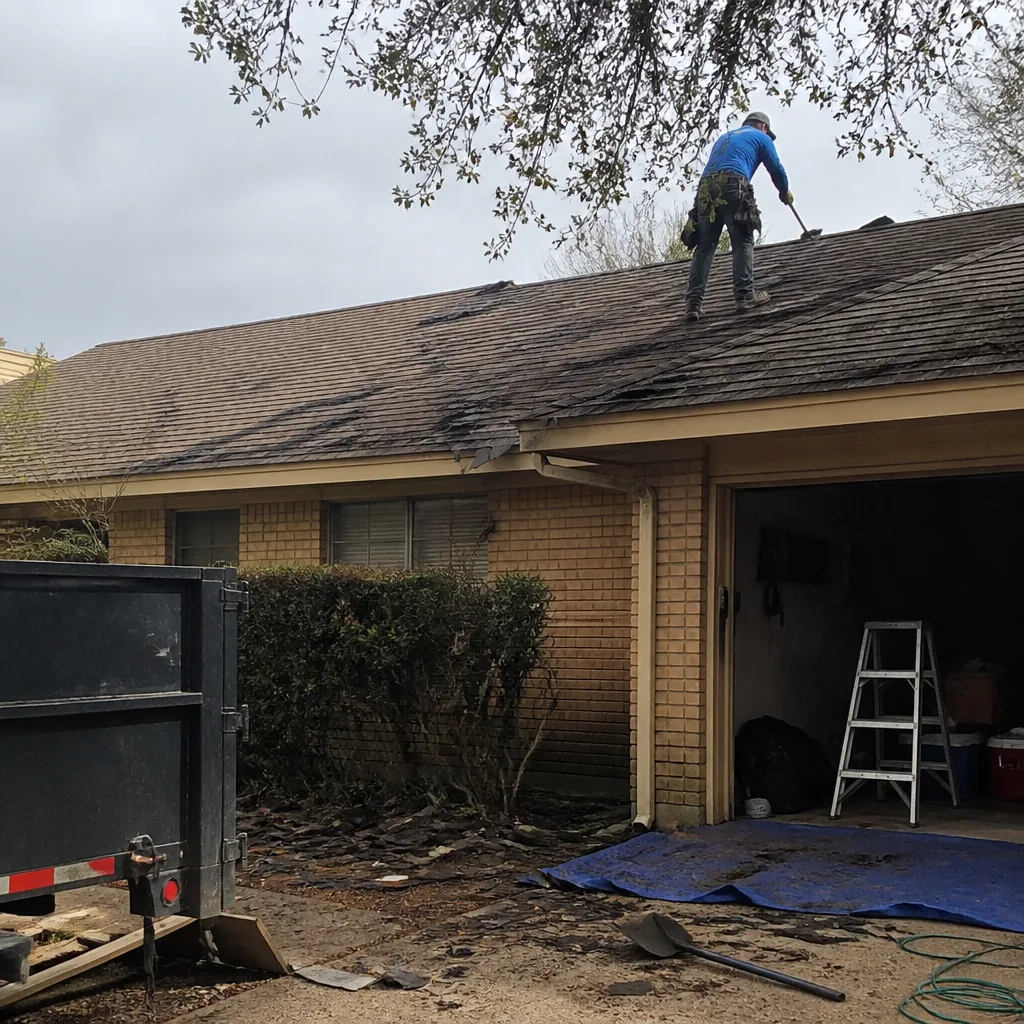 Before
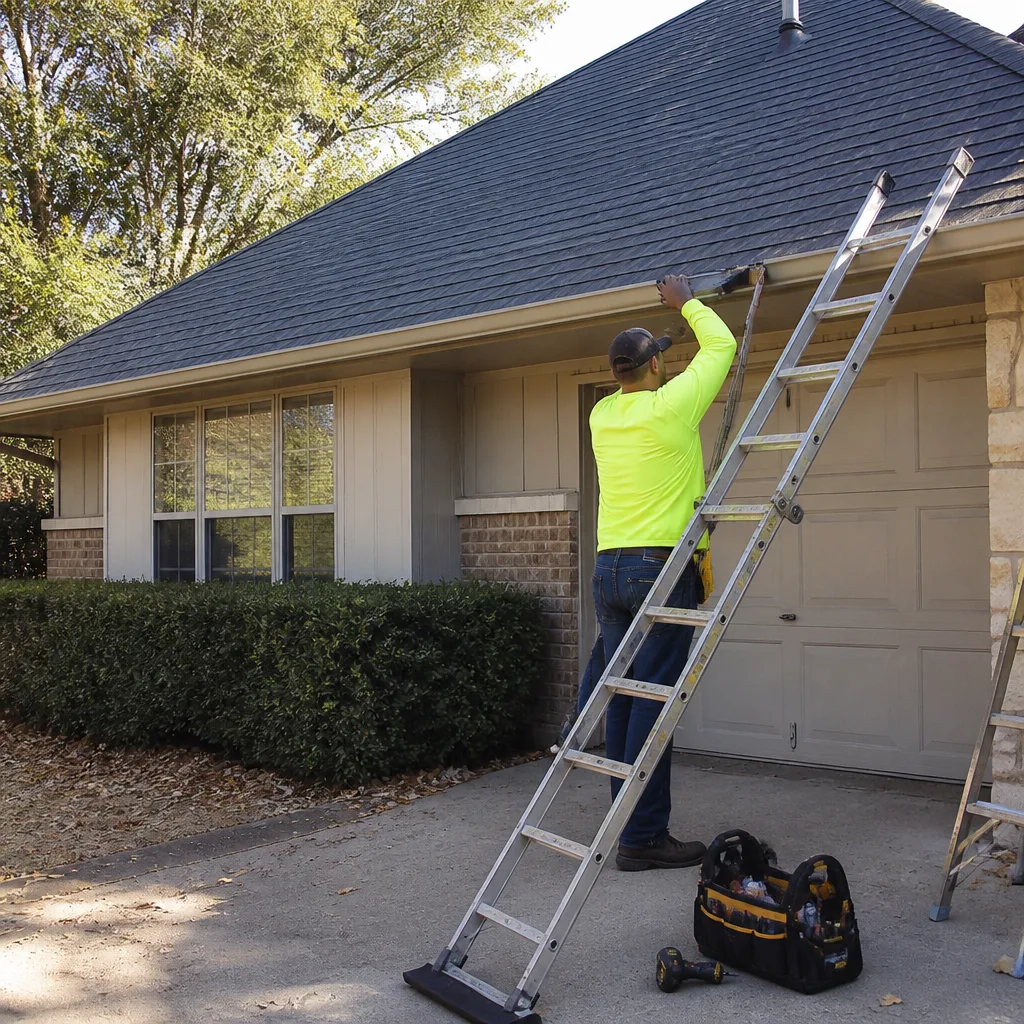 After
After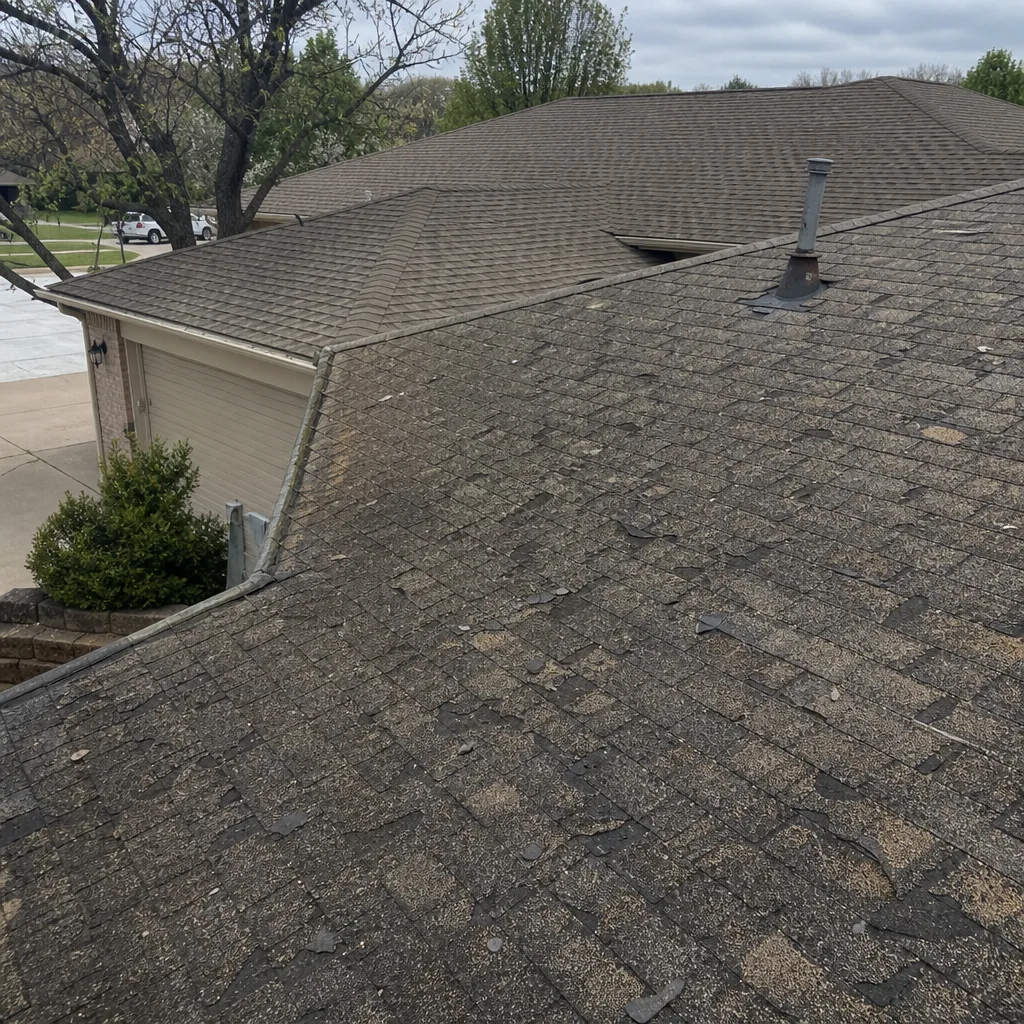 Before
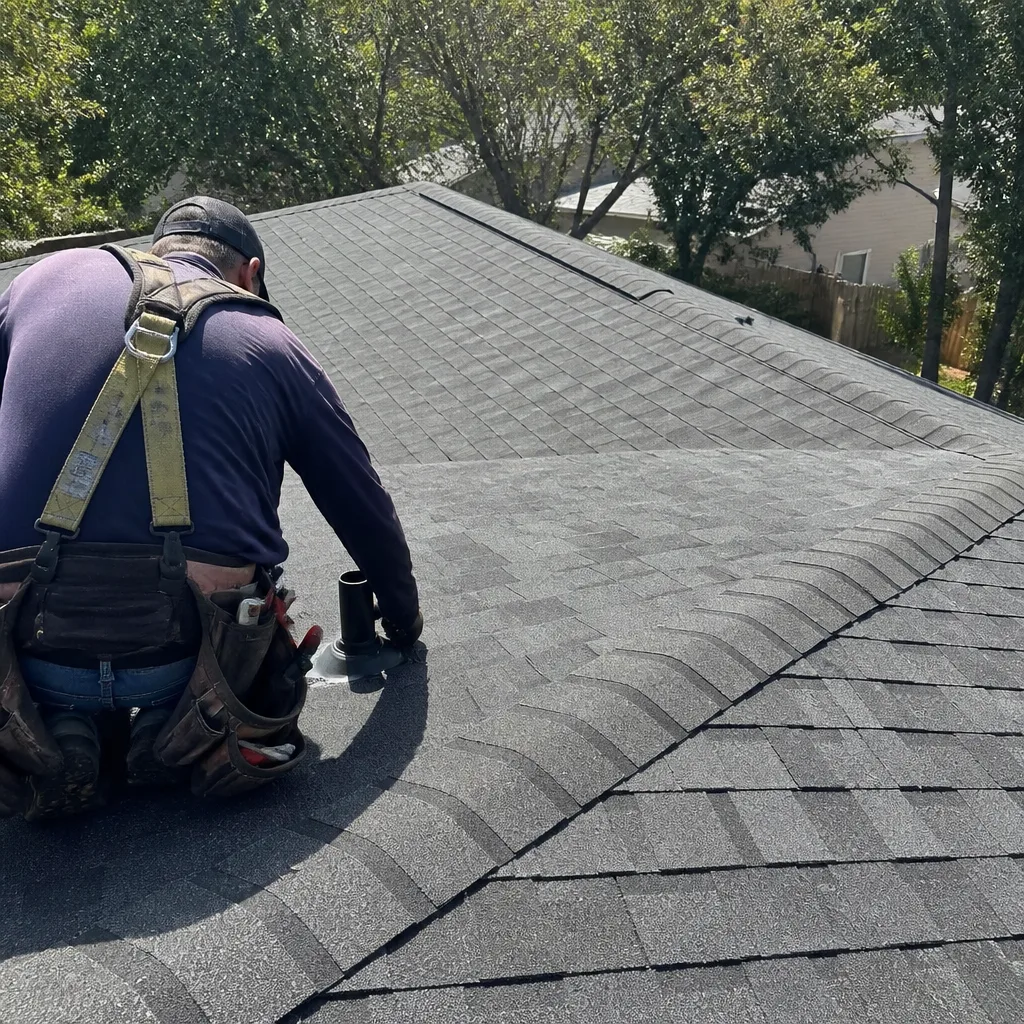 After
After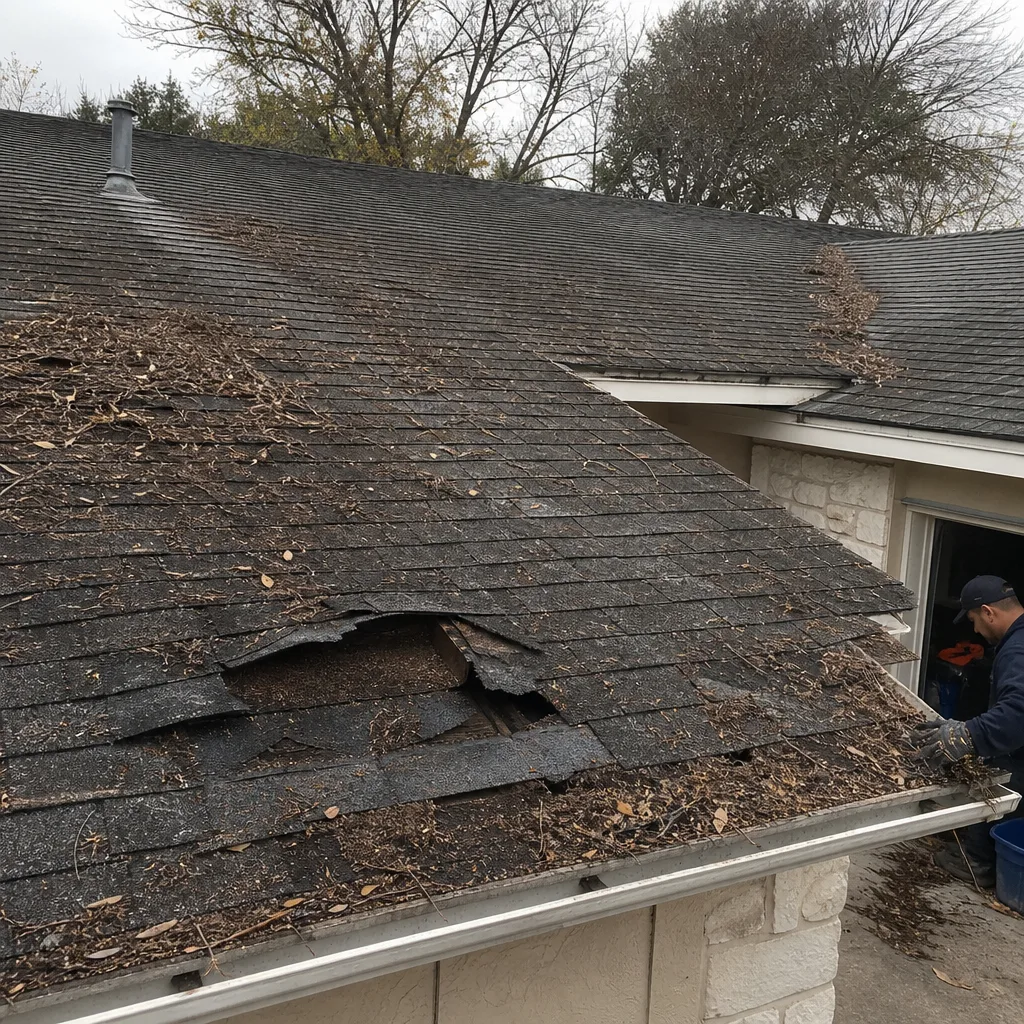 Before
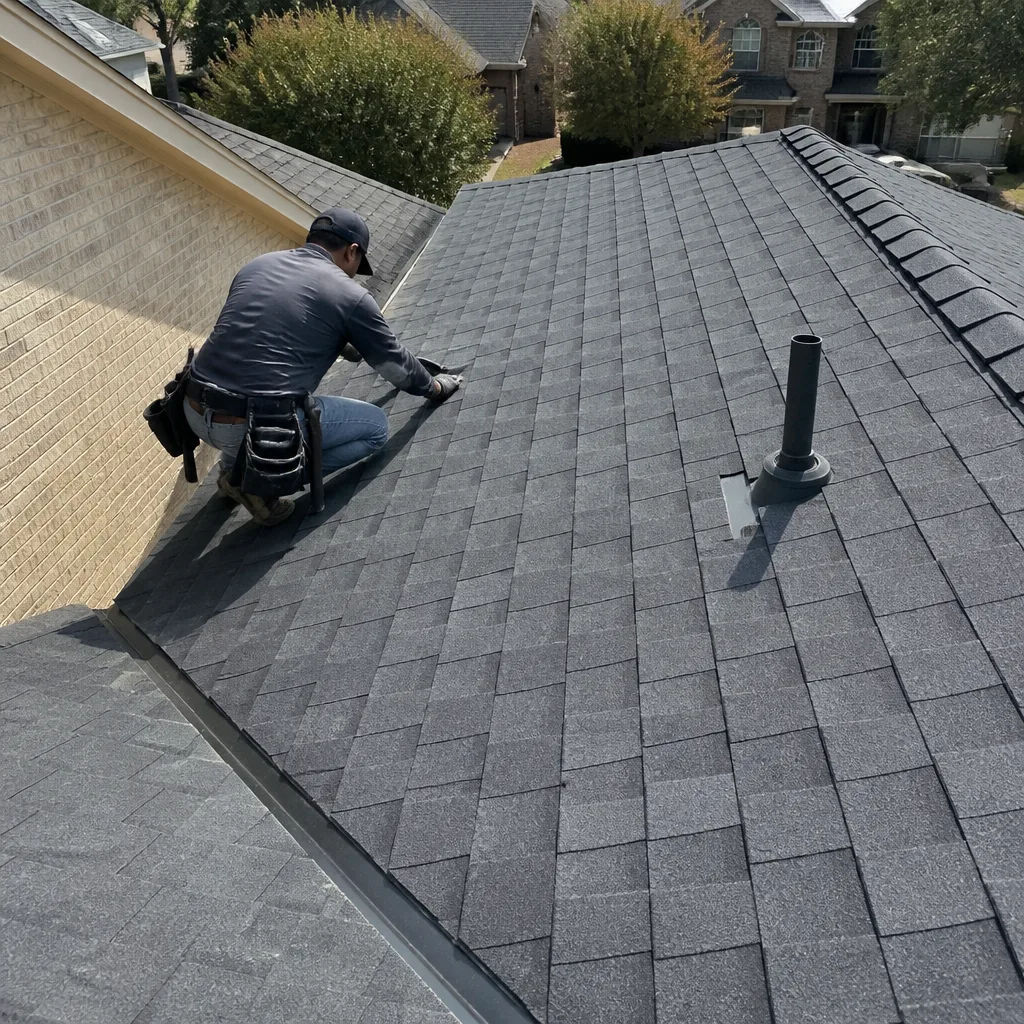 After
AfterWhen to Call a Professional
Some roofing decisions can wait, and some cannot. You should call a roofing professional in Fort Worth as soon as possible if you see water stains on your ceiling after a rain, if you find shingle granules collecting in your gutters by the handful, if you see visible cracking or curling on the shingles themselves, or if a storm has left impact marks on your roof deck. You should also call before you list your home for sale, because an aging roof is one of the first things a Fort Worth home inspector flags. Regular upkeep helps, so review our Roofing Company Maintenance Checklist for Fort Worth Homeowners. Birchbark Roofing Fort Worth offers free estimates in Fort Worth, call (682) 990-0964 to schedule one. We’ll walk the roof, take photos, and give you a written price without a single bit of pressure.
Frequently Asked Questions
Check the Texas Department of Licensing and Regulation database for an active roofing registration, call the contractor’s insurance agent directly to confirm general liability and workers’ compensation coverage, and search the Tarrant County Clerk’s assumed name records to confirm the business is registered locally. All three checks take under 15 minutes with free online tools, and they should all happen before you sign any contract.
Most residential roof replacements in Fort Worth run between $8,000 and $25,000 depending on roof size, pitch, material choice, and tear-off complexity. Most roof repairs run between $350 and $2,500 depending on the extent of the damage. Your exact number should appear in writing, in dollars, before any work starts, and that written price should be included by default, never as an optional add-on.
No. Your insurance adjuster’s inspection determines what the claim will pay, and signing a contract before that inspection locks you into a price and scope you can’t verify against the claim determination. The correct sequence is storm, insurer call, adjuster inspection, claim determination, then contractor hire.
Ask whether the crew is composed of the company’s own trained, background-checked technicians or day-labor subcontractors. The answer determines clean-up accountability, pet safety on your property, and whether you’ll know who walked through your home. A company that employs its own technicians can answer for their conduct; a company that hired a crew yesterday cannot.
It’s Birchbark Roofing Fort Worth’s workmanship warranty: if the work isn’t right, we make it right, covering every roof repair and replacement we perform. The promise matters more than a long manufacturer’s warranty because it covers installation errors, which are the leading cause of roof leaks within 18 months of a replacement, and it comes from a local company you can reach by phone.
Birchbark Roofing Fort Worth works with materials from GAF, CertainTeed, Owens Corning, IKO, Atlas, Tamko, and Boral. For Fort Worth’s hail-prone climate, we often recommend Class 4 impact-rated shingles from Tamko, CertainTeed, or GAF, which can qualify for an insurance premium discount and survive storms that destroy standard shingles.
The Bottom Line
Hiring a roofing contractor in Fort Worth is not about finding the lowest quote or the loudest promise. It’s about finding a contractor who will put everything in writing, verify every credential without being asked, tell you who will be on your property, protect your floors and your dog and your flower beds, and still answer the phone six months after the job is done. The steps in this guide take an afternoon to complete. That afternoon is the difference between a roof that leaks and a contractor who vanished, and a roof that sheds water and a contractor who comes back. Start with the TDLR check, end with the written price, and never let a knock on the door rush your decision.
Written by Erik Lindgren, Owner at Birchbark Roofing Fort Worth, serving Fort Worth since 2000.